The 18th Istanbul Biennial, organised by the Istanbul Foundation for Culture and Arts (İKSV) and curated by Christine Tohmé, marks a new chapter in the Biennial’s history with The Three-Legged Cat; a three-year unfolding project running from 2025 to 2027. Opening its first leg from 20 September to 23 November 2025 across eight venues in Beyoğlu and Karaköy, the Biennial brings together 47 artists exploring ideas of self-preservation, collectivity, and futurity. In this conversation, Kevser Güler (K.G), the Biennial’s Director, reflects on the vision behind this expanded format, the curatorial approach of Christine Tohmé, and how the Biennial continues to reimagine Istanbul’s place within contemporary art discourse.
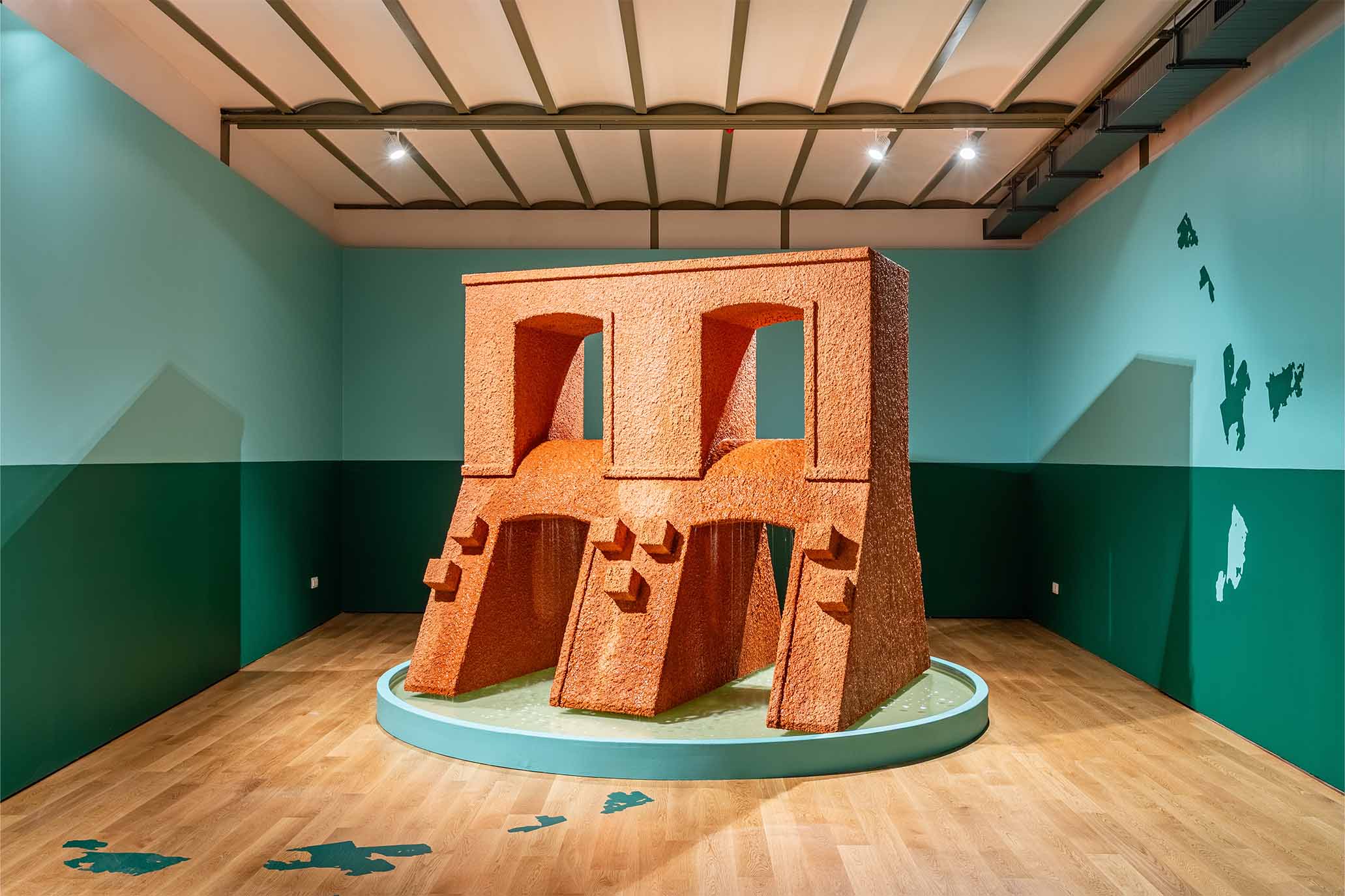
The first leg of the Biennial is running from 20 September to 23 November 2025, with exhibitions from over 40 artists on themes of self-preservation and futurity. Why did you choose these themes for the 1st leg of the Biennial? Will the 2nd and 3rd leg build on the same themes?
K.G: The 18th Istanbul Biennial unfolds through a three-legged programme conceived by Christine Tohmé, titled Three-Legged Cat. The first leg explores the urgency of self-preservation and futurity not as isolated or abstract ideas, but as intertwined conditions of living, caring, and imagining together. These themes emerged from the curatorial process Tohmé has been developing since 2024. They respond to a global moment marked by exhaustion, displacement, and loss, yet also by deep forms of resilience. The question is how to sustain modes of living that keep imagination and collective agency alive.
How do you envision the Biennial facilitating an epistemological shift, that is changing what the participating artists know, how they know it, and the alliances they forge given Istanbul’s unique geopolitical position?
K.G: The academic programme is set to begin in 2026. We await, with great anticipation, the questions it will open up, the discoveries it will invite, and the model we will continue to refine collectively. Alongside this, we will also be collaborating with local art initiatives to come up with public programs to discuss many questions around the culture and art infrastructure in Istanbul.
If the goal is to support ‘generations of artists in connecting with their peers,’ what alliance-building methodologies are being implemented during the long production phase to guarantee these connections evolve into sustainable, critical, and intergenerational practices that survive the Biennial’s conclusion?
K.G: The Biennial’s expanded timeline enables methodologies that are not possible in conventional exhibition models. Rather than a single deadline-driven production, we are investing in long-term collaborations that bring artists, writers, and local practitioners together across generations and geographies. Our goal is to make the Biennial a space of continuity rather than culmination ensuring that knowledge exchange and care structures remain in place beyond the exhibition. This is how we envision sustainability: through networks of solidarity and critical engagement that can outlive the event itself and feed into the next cycles of cultural practice in the region.
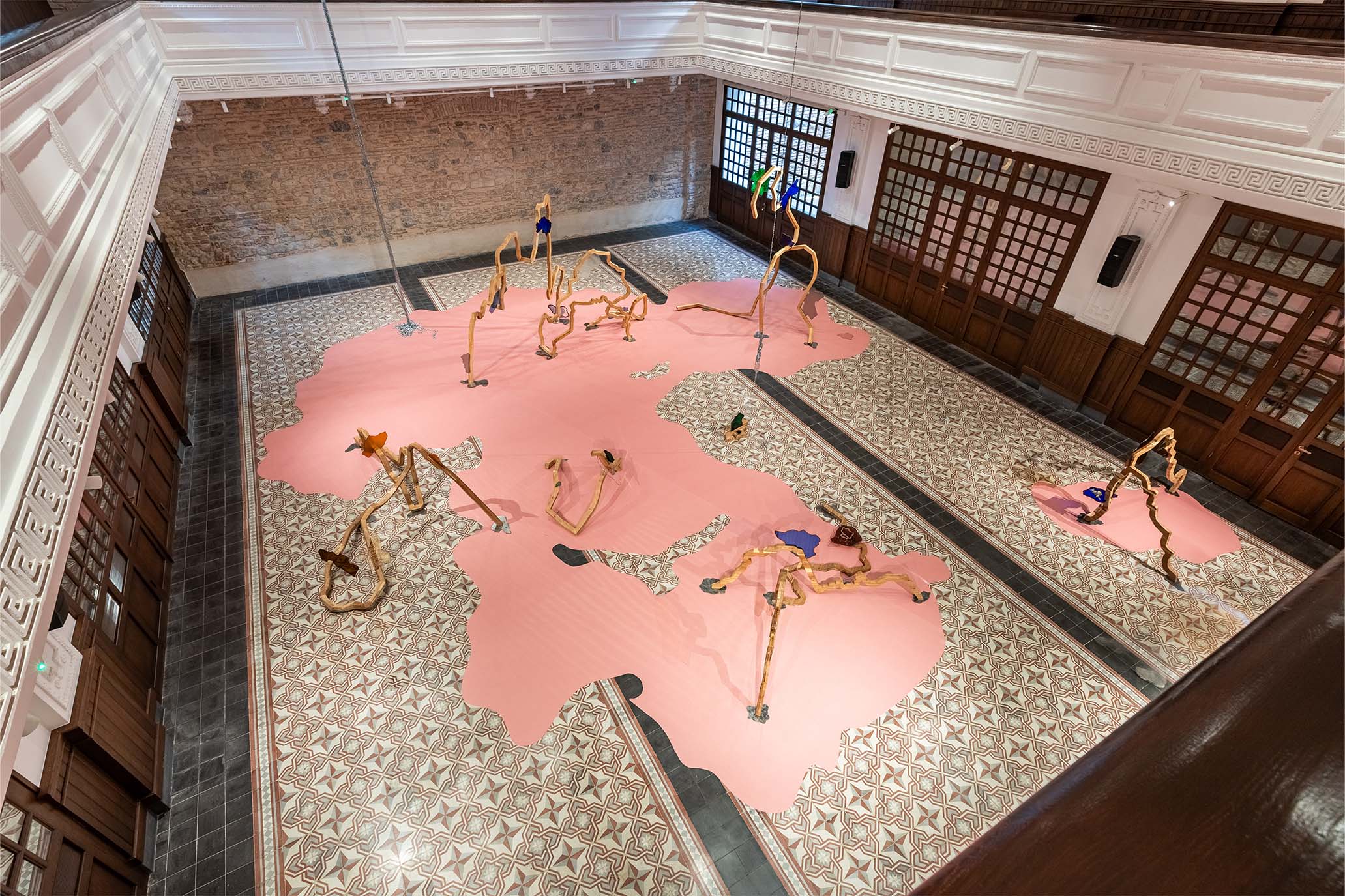
Operating from a region acutely aware of political urgency, how will this extended Biennial, rooted in the complexities of Istanbul, position itself to offer meaningful imaginative or cultural alternatives in the face of escalating regional crises?
K.G: Being in Istanbul, a city shaped by displacement, proximity, and coexistence, means acknowledging political urgency as a daily reality, not an exception. The Biennial’s extended model allows us to respond to these conditions not with speed or spectacle, but with duration and attentiveness. In a moment of escalating regional crises, we believe imagination becomes a political act, a way to propose new vocabularies of agency, care, resilience, and justice. The Biennial aims to open up spaces where art can articulate the complexities of living together. By grounding itself in Istanbul’s fabric, the Biennial becomes both local and planetary turning this geography into a site of robust global commentary, where artists and audiences can collectively think about what futures are anticipated.
Location: Istanbul, Türkiye.
Date: 20 September until 23 November 2025
About The Istanbul Biennial
Established in 1987, the Istanbul Biennial is organised by the Istanbul Foundation for Culture and Arts (İKSV) and supported by long-term sponsor Koç Holding (2007–2036), alongside international partners and funding bodies. Now recognised as the most comprehensive international arts exhibition in the region, the Biennial has hosted over 1,200 artists and collectives, fostering dialogue between local and global art communities. Through seventeen editions, it has become a vital platform for new ideas in contemporary art, introducing site-specific works and transforming Istanbul’s historical and alternative venues into spaces of exchange between artists, curators, critics, and audiences from around the world.