The 20th edition of Art Dubai gathers 75 galleries that are representing artists whose work spans contemporary, modern, and digital art. Selections asked a select group of galleries to propose one artwork from their roster — a piece that embodies a curatorial direction, reveals a conceptual dialogue, or evokes a particular sense of connection.
Through the perspectives of the galleries, this feature turns attention toward artistic intention: what gives a single work its significance? It provides an understanding of the narratives, materials, and ideas shaping this edition of Art Dubai.
Gallery Isabelle, Dubai – Revival by Bassim Al Shaker
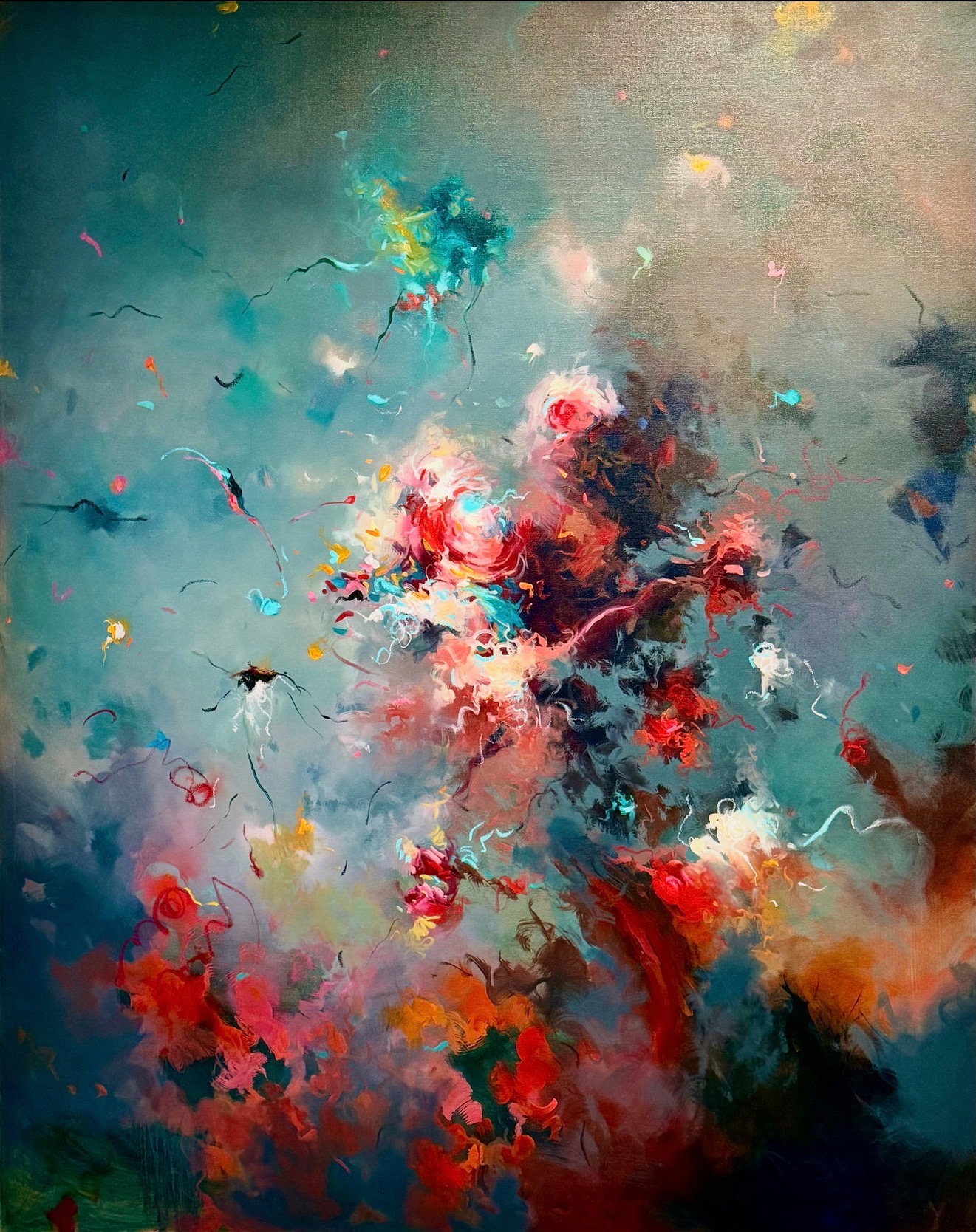
Bassim Al Shaker’s Revival (2024) unfolds as an abstract field suspended between rupture and emergence, where a dense, luminous core of reds, whites, and deep shadows seems to both erupt and coalesce within a mist-like expanse of turquoise and grey. Without a fixed horizon or stable form, the composition remains in continuous transformation, where gestures of dispersion, splashes, streaks, drifting lines, intertwine with moments of condensation, suggesting matter in the process of becoming.
Rooted in the artist’s experience of war yet distanced from direct representation, the work does not depict an event but inhabits its aftermath: a charged, disoriented atmosphere where perception fractures and reforms. The central mass reads at once as wound and bloom, collapse and ignition, holding within it the tension between destruction and renewal. In this sense, Revival opens a threshold, psychological and spatial, where the violence of rupture is inseparable from the possibility of re-emergence.
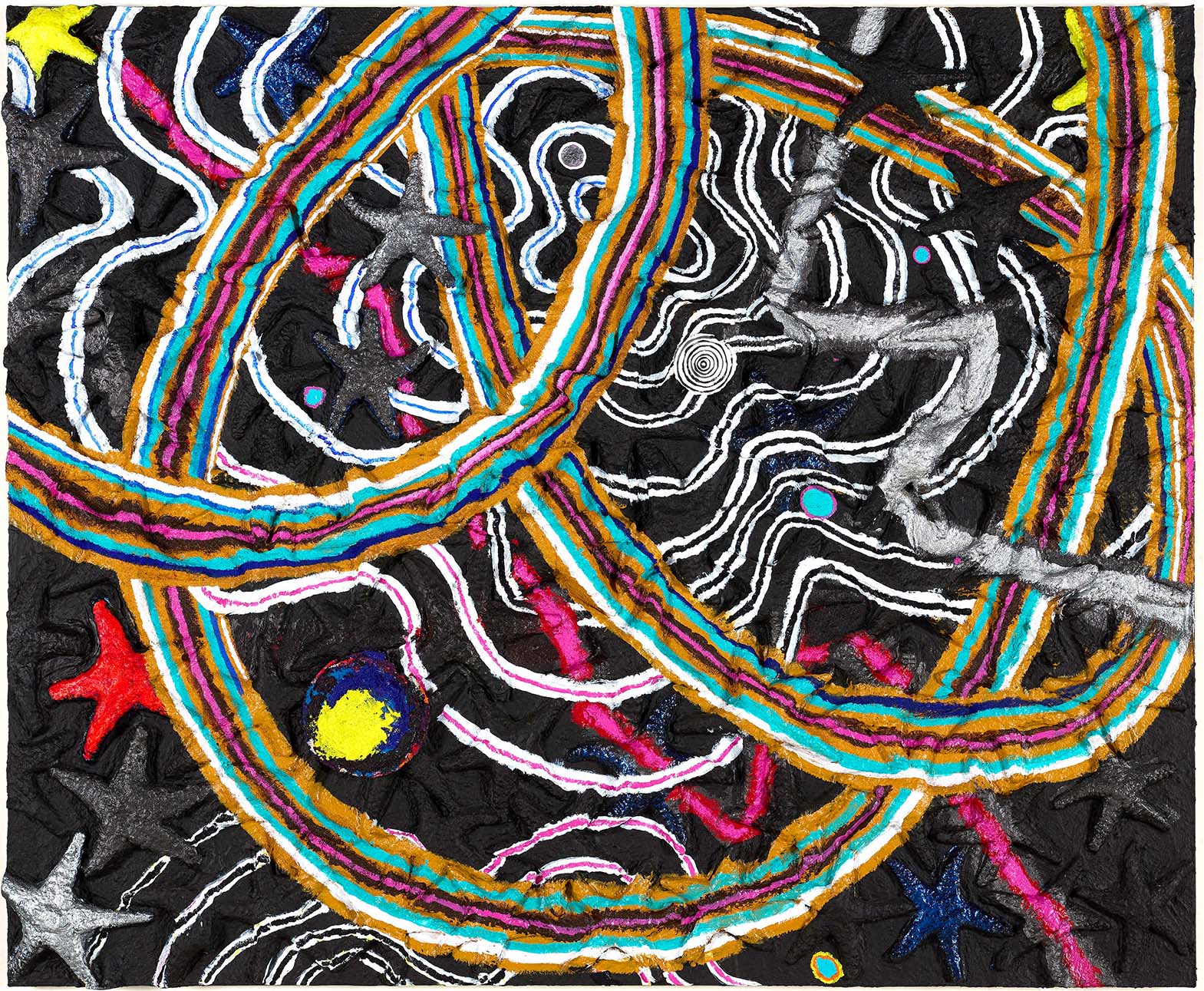
Lawrie Shabibi, Dubai – Untitled by Nabil Nahas
Nabil Nahas’ Untitled (2024) is developed through dense, layered surfaces built from acrylic mixed with pumice, creating compositions in which form appears to grow organically while maintaining a strong sense of structure and balance.
In this work, Nahas brings his distinctive visual language into a tightly structured composition, where looping bands of vivid colour move across a dark, heavily textured ground. His characteristic starfish motifs are embedded throughout, acting as recurring anchors within the composition. Built up layer upon layer, the surface emphasises materiality and repetition, while the interplay between the striped bands and star forms creates a controlled sense of movement. Here, natural elements are depicted through pattern, texture, and form.
Leila Heller Gallery, Dubai/New York – The Blue Door by Wassef Boutros-Ghali
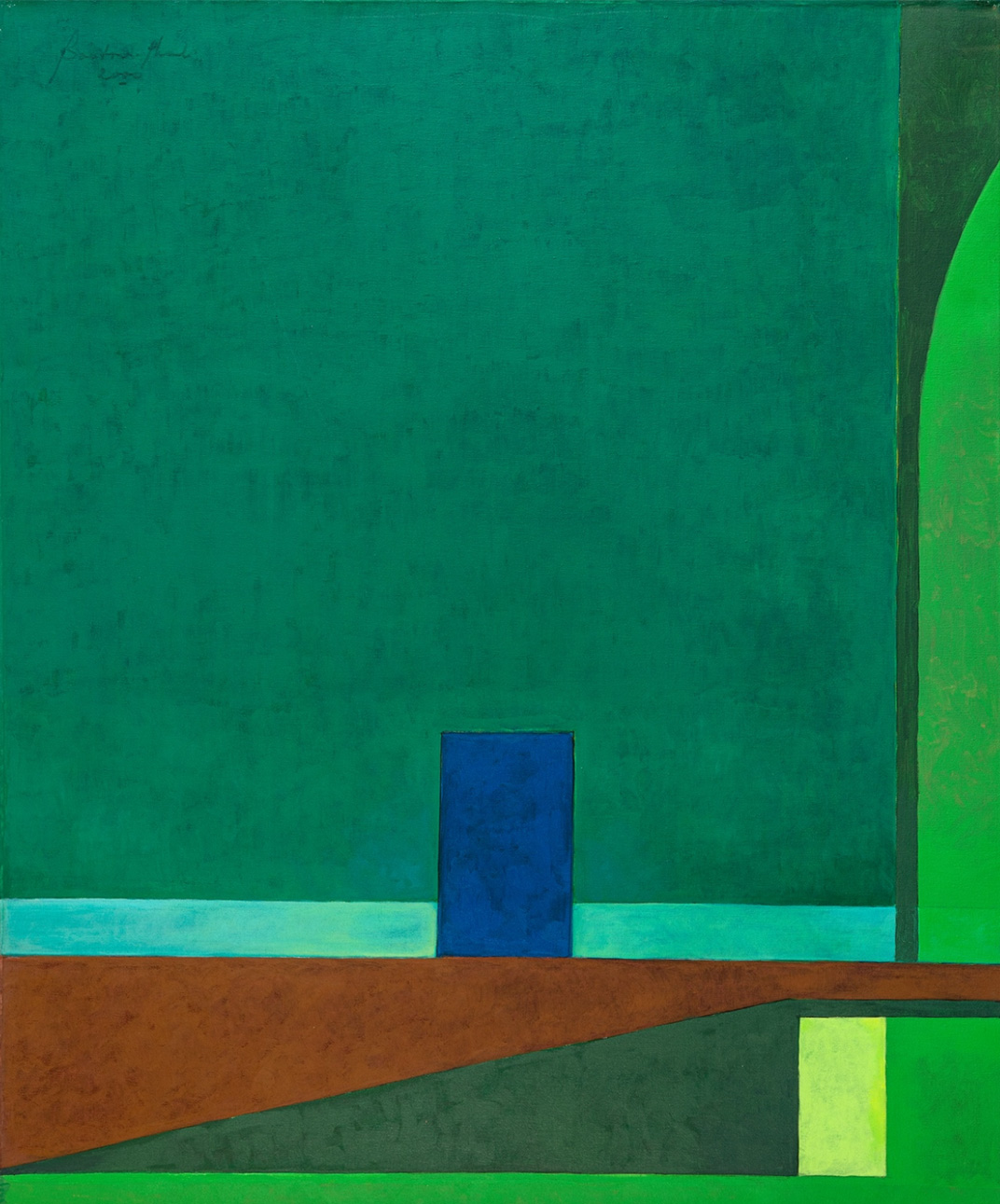
Wassef Boutros-Ghali’s compositions are dynamic; they seem to breathe, their tensions and harmonies suggesting the shifting light, landscapes, and cultural forms that informed his vision. His work resonates with a timeless universality, yet carries the imprint of a life lived between continents. A 1971 move to New York marked an awakening. Immersed in the city’s vitality, abstract expressionism and minimalist design, his canvases grew larger, acrylics replaced oils, and figurative improvisations gave way to overt abstraction. A return to Cairo in 1985 allowed him to explore his evolved practice without interruption. In this piece, Boutros-Ghali employs vibrant colors and an intentional manipulation of visual weight to evoke energy and motion within the scene. Boutros-Ghali plays with the optical experience of space through his abstractions, highlighting the artist’s own spatial awareness, honed through his career as an architect. Boutros-Ghali’s newly published Catalogue Raisonné, published by Skira, situates his works throughout his varied career and establishes a lasting permanence for the artist.
Efie Gallery, Dubai – Fafanua Tena by Maggie Otieno
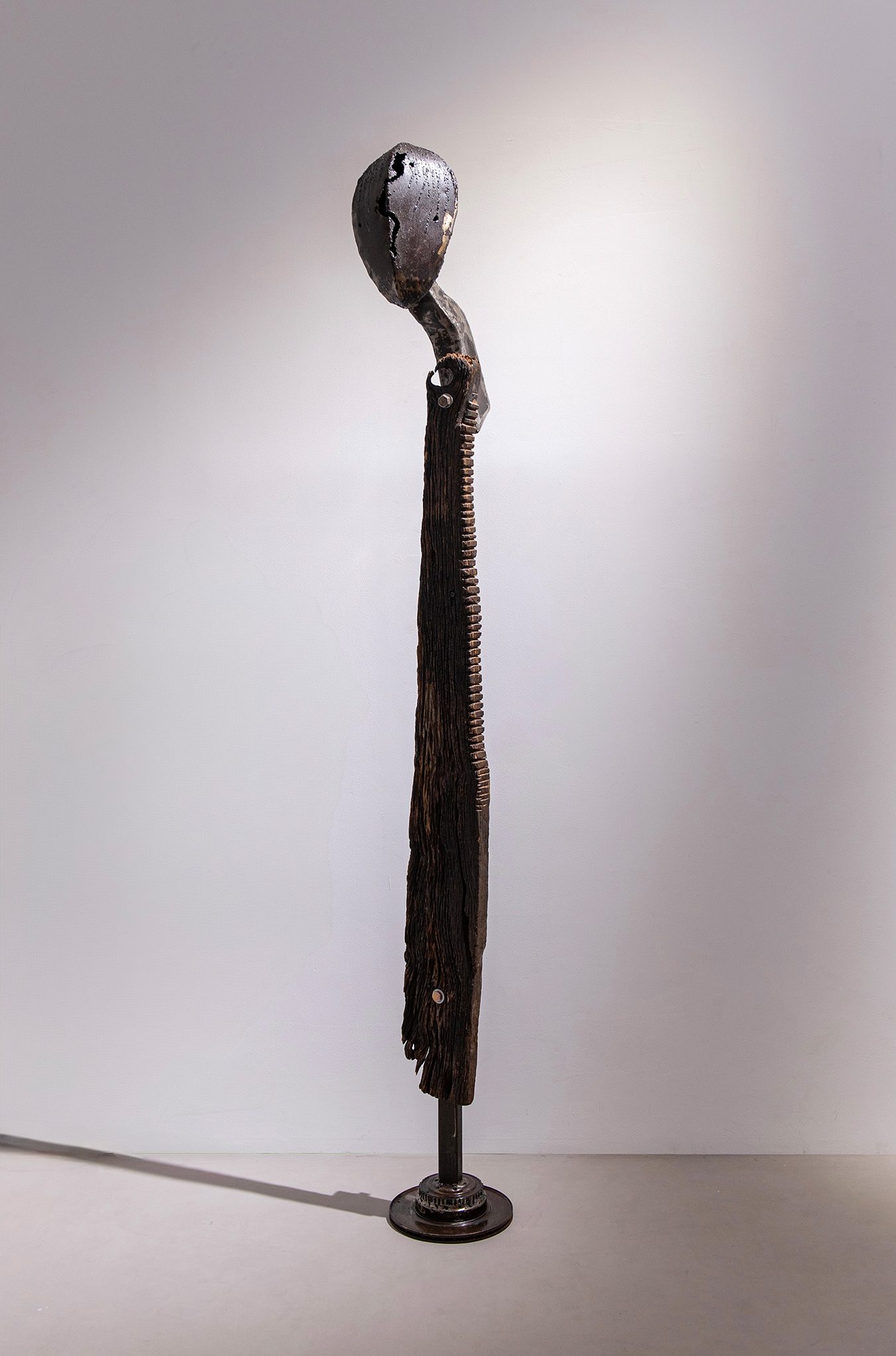
Fafanua Tena (Explain It Again) by Maggie Otieno reflects her sustained engagement with reclaimed material and its embedded histories. Working with distressed elements, including 150 year old railway sleeper wood and mild steel, Otieno transforms matter through processes of assembling and reconfiguring, shifting materials beyond their original function into forms of stillness and contemplation.
What once signified movement and infrastructure is redirected toward quiet reflection, where fragmentation and balance shape the work’s presence. The work considers continuity and change, reflecting on what is carried forward and what is reshaped over time, as difference and sameness coexist.
Ayyam Gallery, Dubai – A Moment in Time by Hisham Sharif
For Art Dubai’s Special Edition, we are showcasing a multidisciplinary, multigenerational presentation. The booth explores the concept of “a moment in time” through personal, political, and emotional perspectives. We would like to highlight the work of Hisham Sharif. Aligning with the fair’s regional focus this year, we are excited to present the Bahraini artist’s work for the first time. Sharif’s recent work reveals his increased comfort with ambiguity. He explores ritual, heritage, and mythology, but always through a veil – implying that being rooted in a place can also mean feeling disconnected from it. The result is a practice that feels both deeply personal and politically conscious, rooted in Bahrain, but resonating globally through his experiences and Persian ancestry.
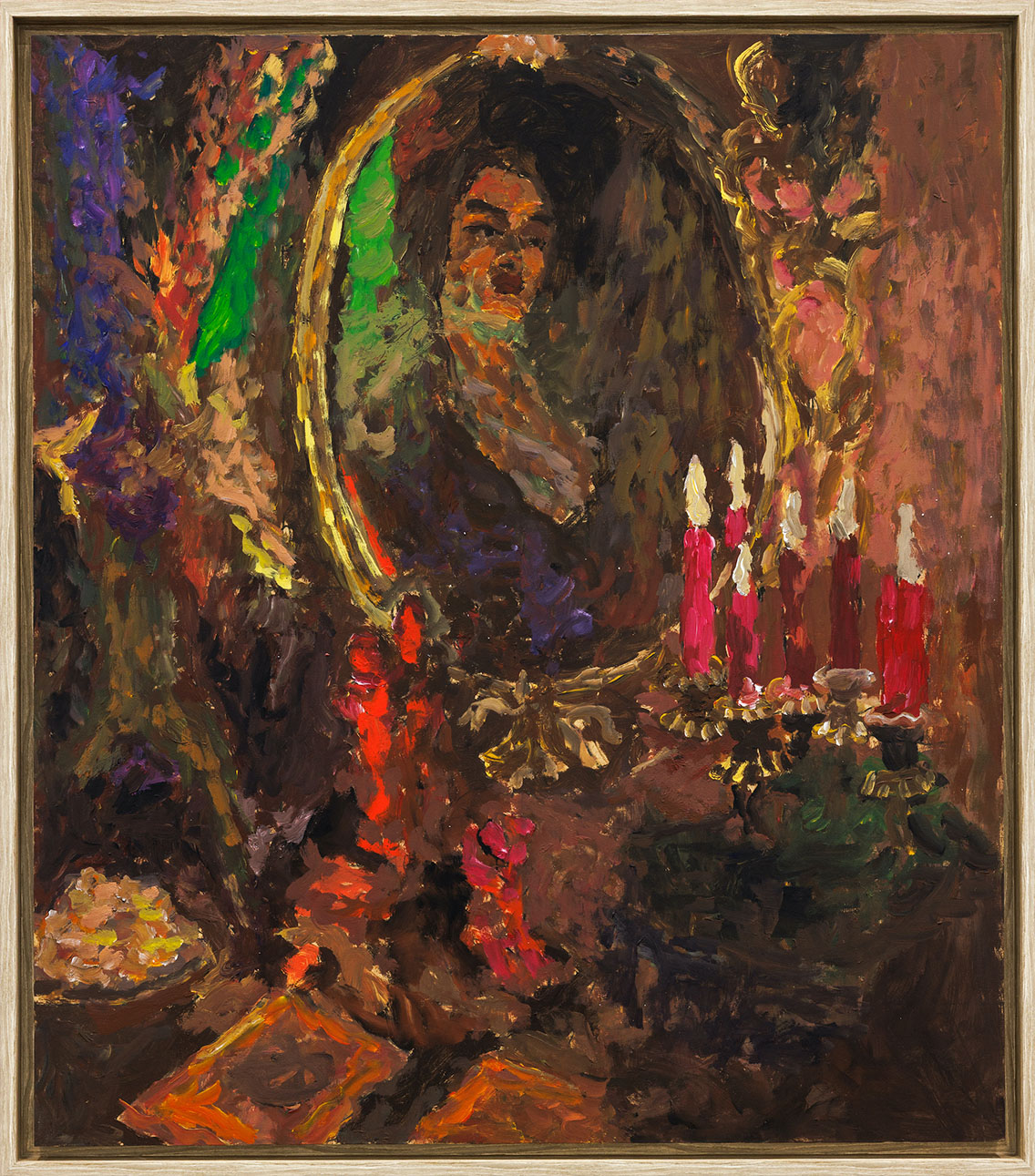
Saleh Barakat Gallery, Beirut – Fractal Series by Nabil Nahas
Saleh Barakat Gallery highlights Lebanese American artist Nabil Nahas. Part of his fractal series, this powerful work combines thick layers of acrylic paint mixed with pumice, playing with the coloured depths of the sea, its coral reefs. Such layered work, alive with pattern, speaks to the power and resilience of the natural world, and in turn to the human attempt to bear witness through art.
We are delighted that Nabil is representing Lebanon at the 2026 Venice Biennale. We hope that this artwork will encourage many to visit to see the full expression of his life’s work.
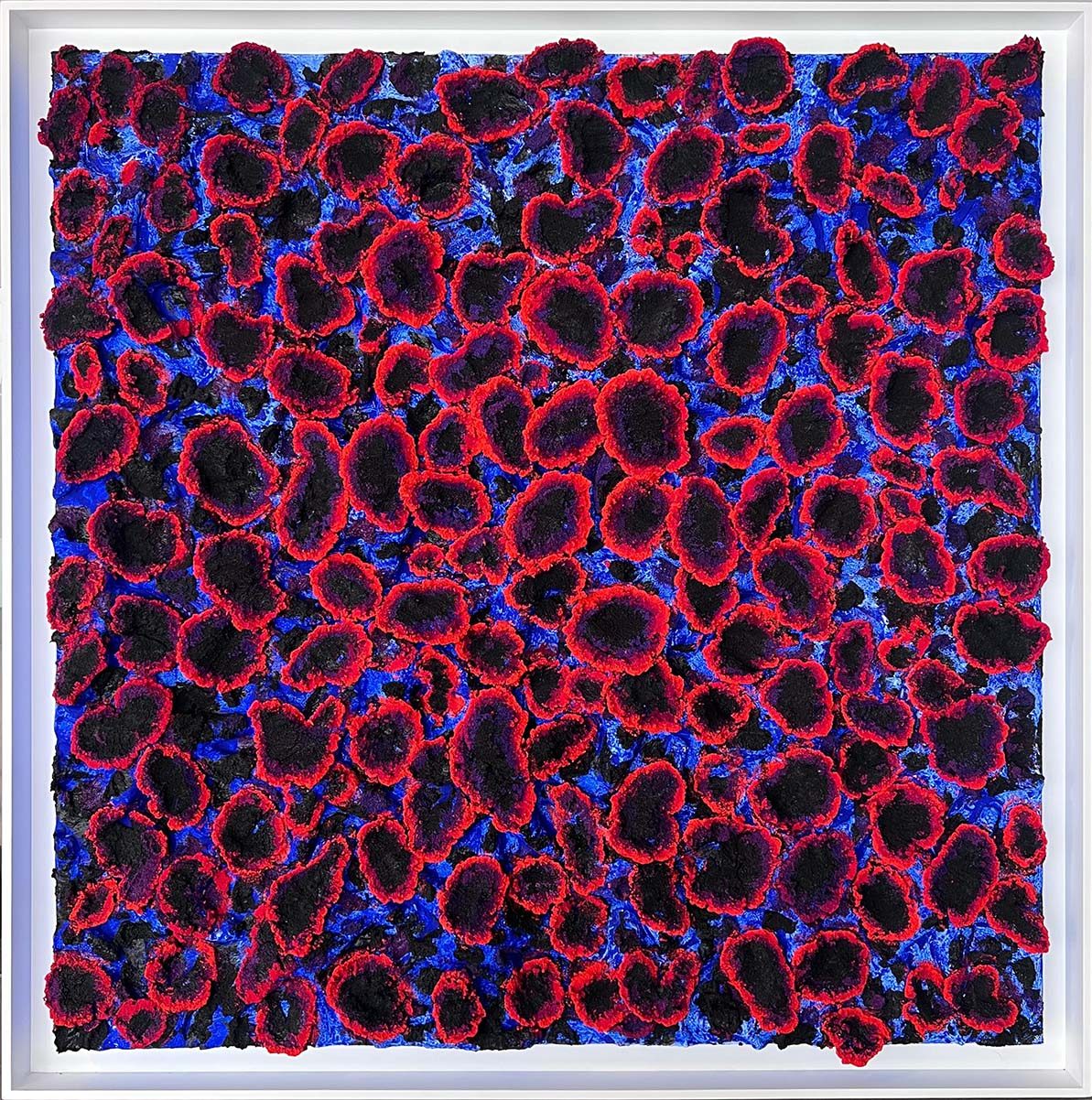
Lilia Ben Salah Gallery, Paris – Artificial Archaeology by Zoulikha Bouabdellah
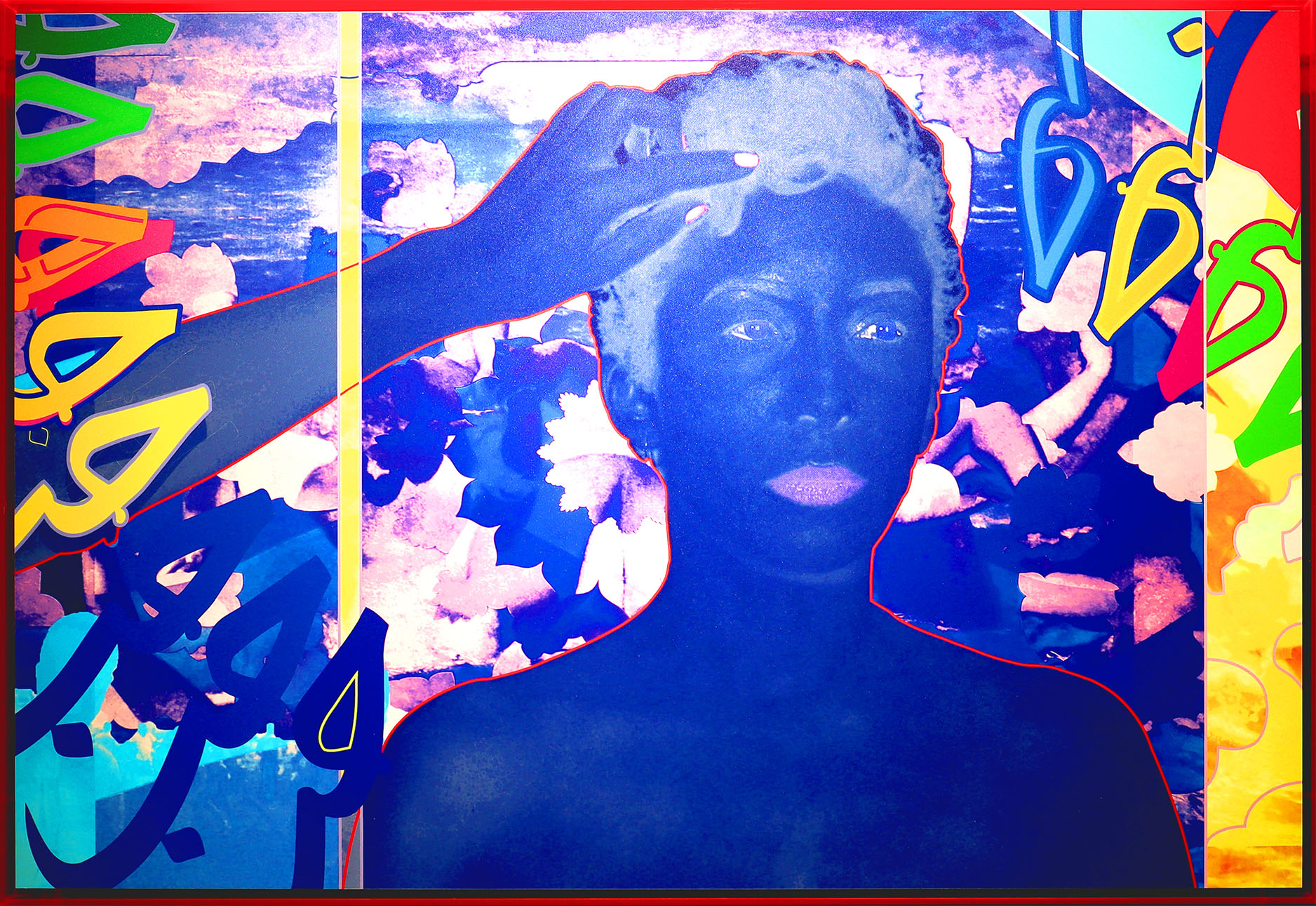
Artificial Archaeology marks a new body of work in which Zoulikha Bouabdellah introduces digital print as a medium for the first time. She constructs immersive images that invite the viewer into a shifting space between perception and memory, drawing from fragments of photographs, gestures, and visual signs. A central figure emerges as both presence and mask, resisting fixed meaning, while surrounding elements echo familiar yet unstable visual worlds. Printed on aluminum, the work gives a striking physical presence to the digital image, transforming it into a luminous, tactile surface where memory is no longer retrieved but continuously reimagined.
Carbon 12 Gallery, Dubai – Hillside Meeting by Malik Thomas Jalil Kydd
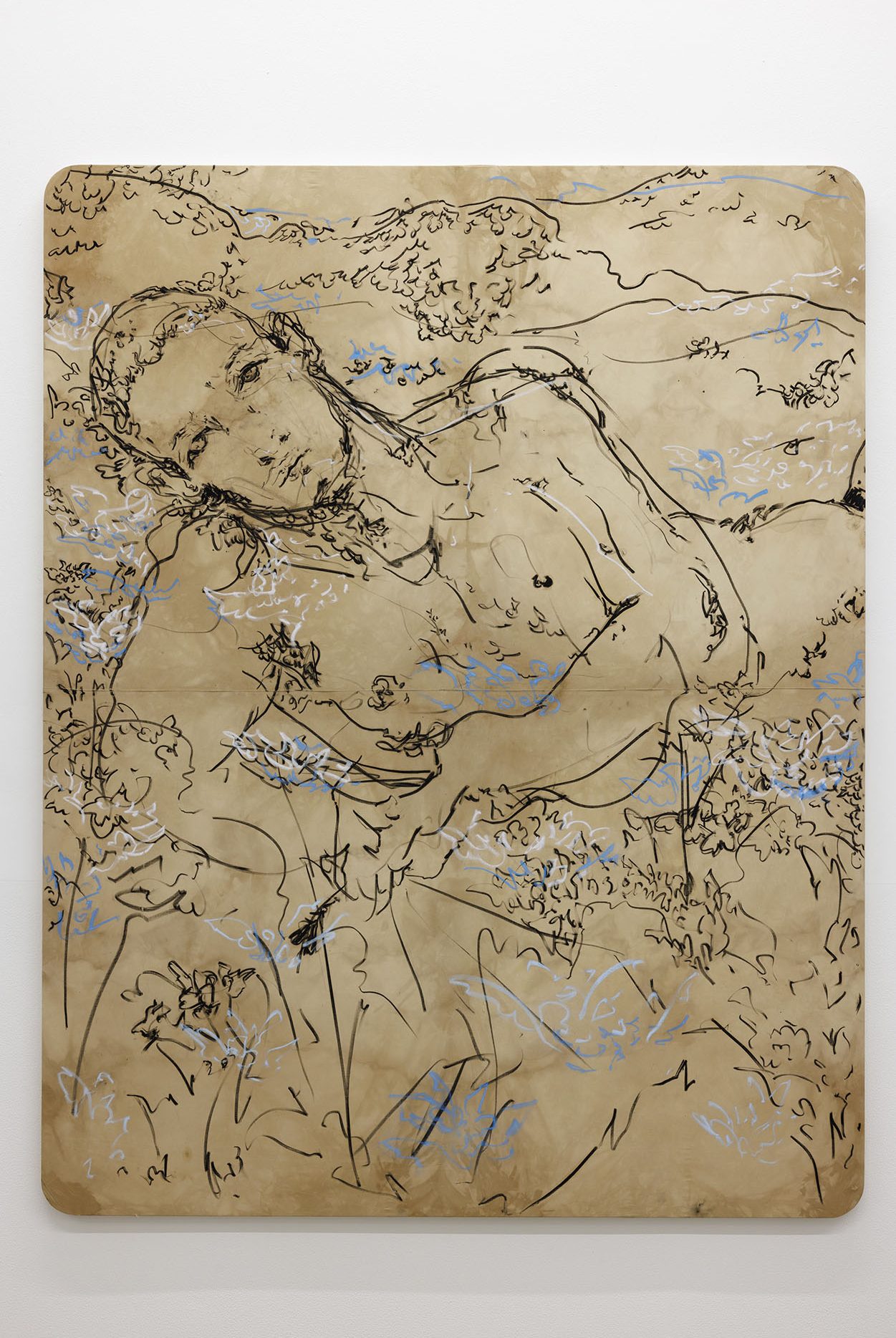
Malik Thomas Jalil Kydd’s practice focuses on using painting and drawing as a means of unabashedly embracing his introspections. His knowledge of textiles enables him to use fabric as his primary support, transgressing the textile medium through diverse techniques in order to convey his visual conception, blending fine art and fibre art. Kydd carefully explores his relationship with desire, centering his practice over the veneration of the male form. He depicts moist-eyed subjects as unexpected muses, providing a gaze into his own fantasies and continuing traditions of veneration.
He explores memory as form, exposing its delicate nature through linear drawing, exploring the relationship between figural and abstract forms. Core to his material explorations are raw silk and cotton, forming the base layers of his paintings, hand-dyed in Maramiah (sage), a readily available medicinal herb in Amman, Jordan, where he produced these works.
Jalil finds interest in the distortion and the unknown that is introduced by his process. Compositionally, the paintings move between lived and imagined experiences, exploring temporal visual encounters occurring within public realised space and within the imagination.
Tabari Art Space, Dubai – Flame by Rema Ghuloum
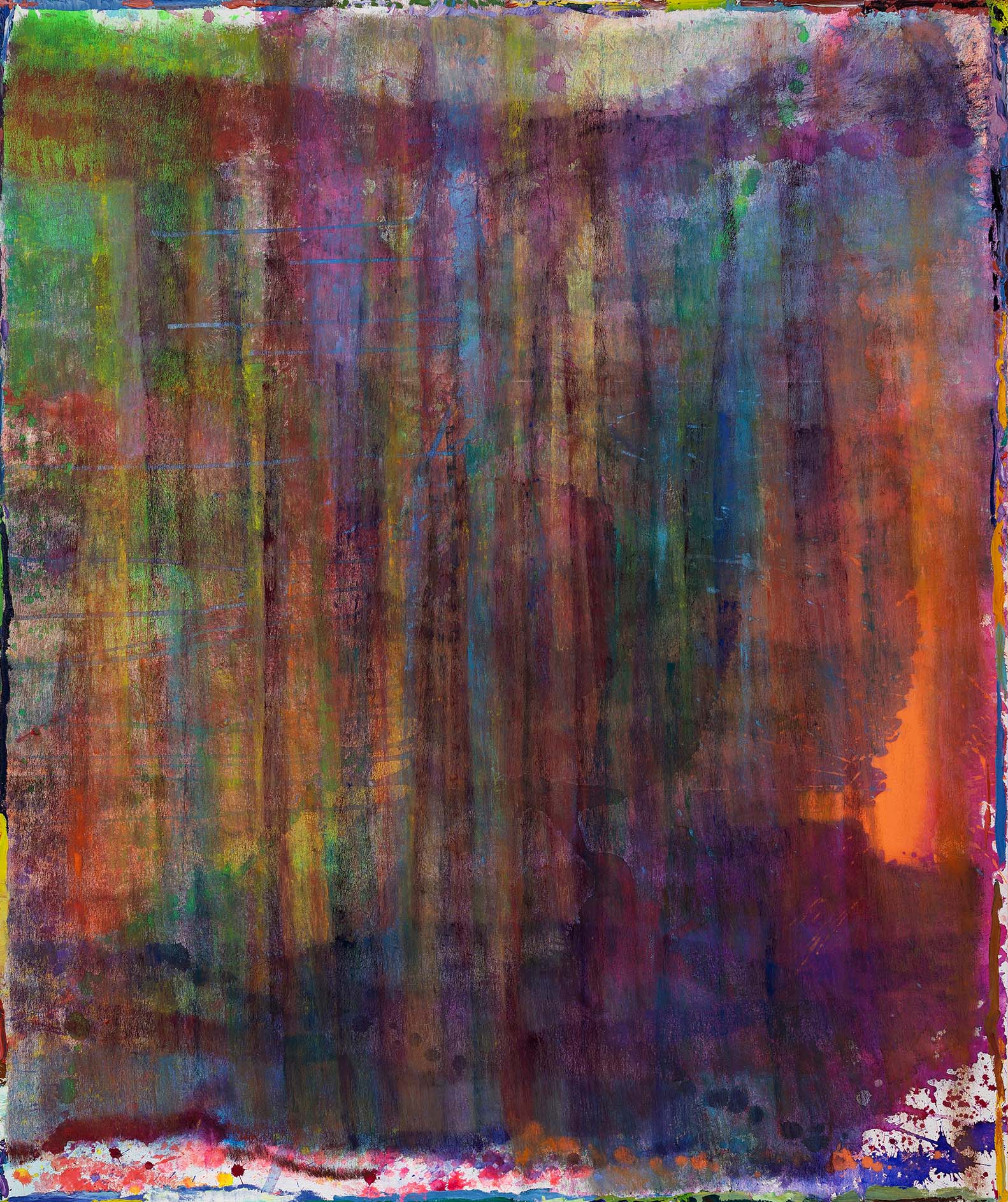
Rema Ghuloum works in chromatic strata, building the surface in layers of pigment until it appears to generate its own light. Her paintings are produced over extended periods, colour applied, sanded back and reapplied until each canvas arrives at its own atmosphere. Flame (2024) is dense and elemental: rich plum and burned amber establish a field of internal heat, colour rising through the surface like combustion made slow.
Recipient of the Pollock-Krasner Foundation Grant and the Joan Mitchell Foundation Grant, Ghuloum has developed a substantial critical practice in the US. At Art Dubai, her work enters a fresh conversation – an abstraction rooted in Middle Eastern heritage presented in the region for the first time, posing new questions about the geographies a painting carries within it.
Mark Hachem Gallery, Beirut – Mouvement by Alfred Basbous
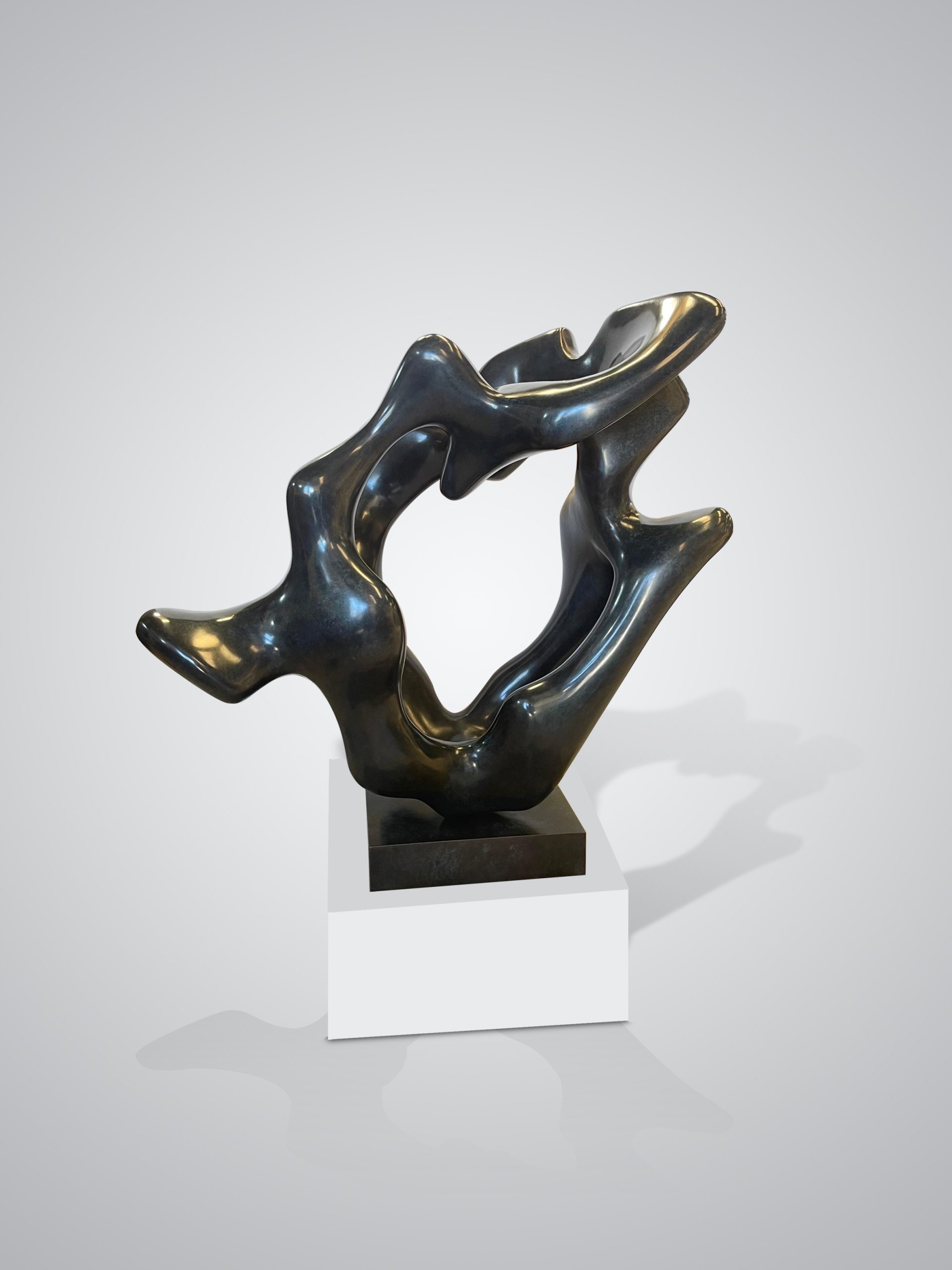
Mouvement by Alfred Basbous captures living profundity in bronze. As two forms intertwine harmonically in a suspended act of balance, Basbous’ artwork surpasses literal depiction. No faces or somatic certainty were used, yet the sculpture perfectly elicits rhythm, grace, and poetry written in movement.
Influenced by Henry Moore, Basbous perfected the treatment of volume and void, using emptiness as an active force/instrument reconciling abstraction and figuration.
Basbous’ vision was centred on the dialogue shared between movement and permanence. He refuted the limitations of matter, convinced that the emotional force of the body was sufficient to make stone or bronze speak.
Iris Projects, Abu Dhabi – Within Lines of Persistence by Safeya Sharif
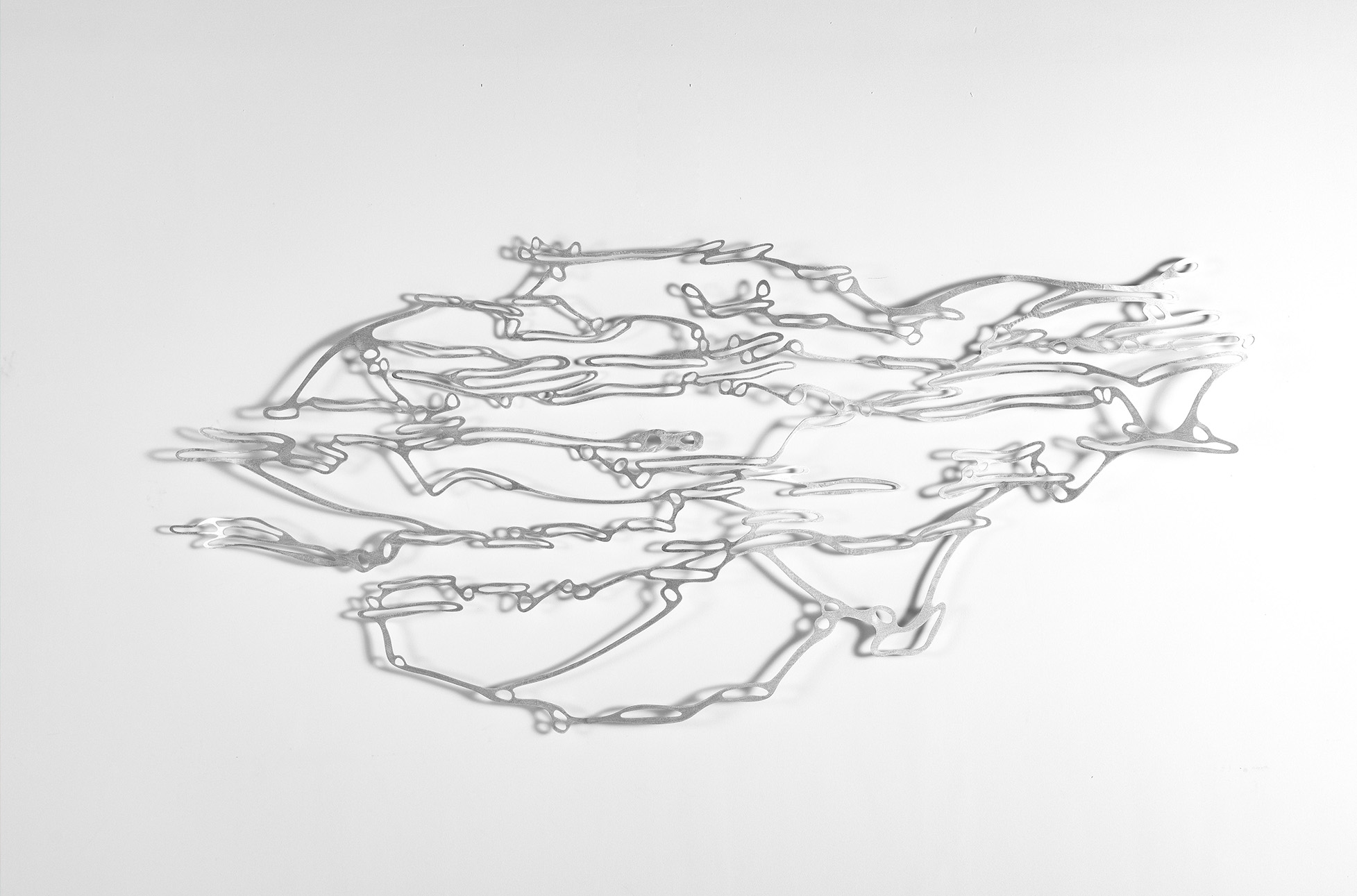
Iris Projects is pleased to showcase a sculptural work by Safeya Sharif (b. 1999, UAE). Within Lines of Persistence, 2026, the desert unfolds as a series of images, stills of movement which capture the constant travel of sand dunes as they are sculpted by the persistent forces of wind and weather. Sharif traces these shifting contours through layered aluminium lines that drift, gather, and disperse, holding fleeting moments of environmental endurance in suspension.
Within Art Dubai’s special edition, which celebrates resilience and collaboration in the UAE’s cultural scene, this work goes beyond a natural study. It explores how urbanisation is changing the course of this movement, intervening in the desert’s ancient rhythms. Sharif transforms these familiar landscapes into atmospheric inquiries into architectural memory, questioning how the natural world adapts when its path is rewritten by the modern city.
Hafez Gallery, Jeddah – What Grows After the Storm by Lana Khayat
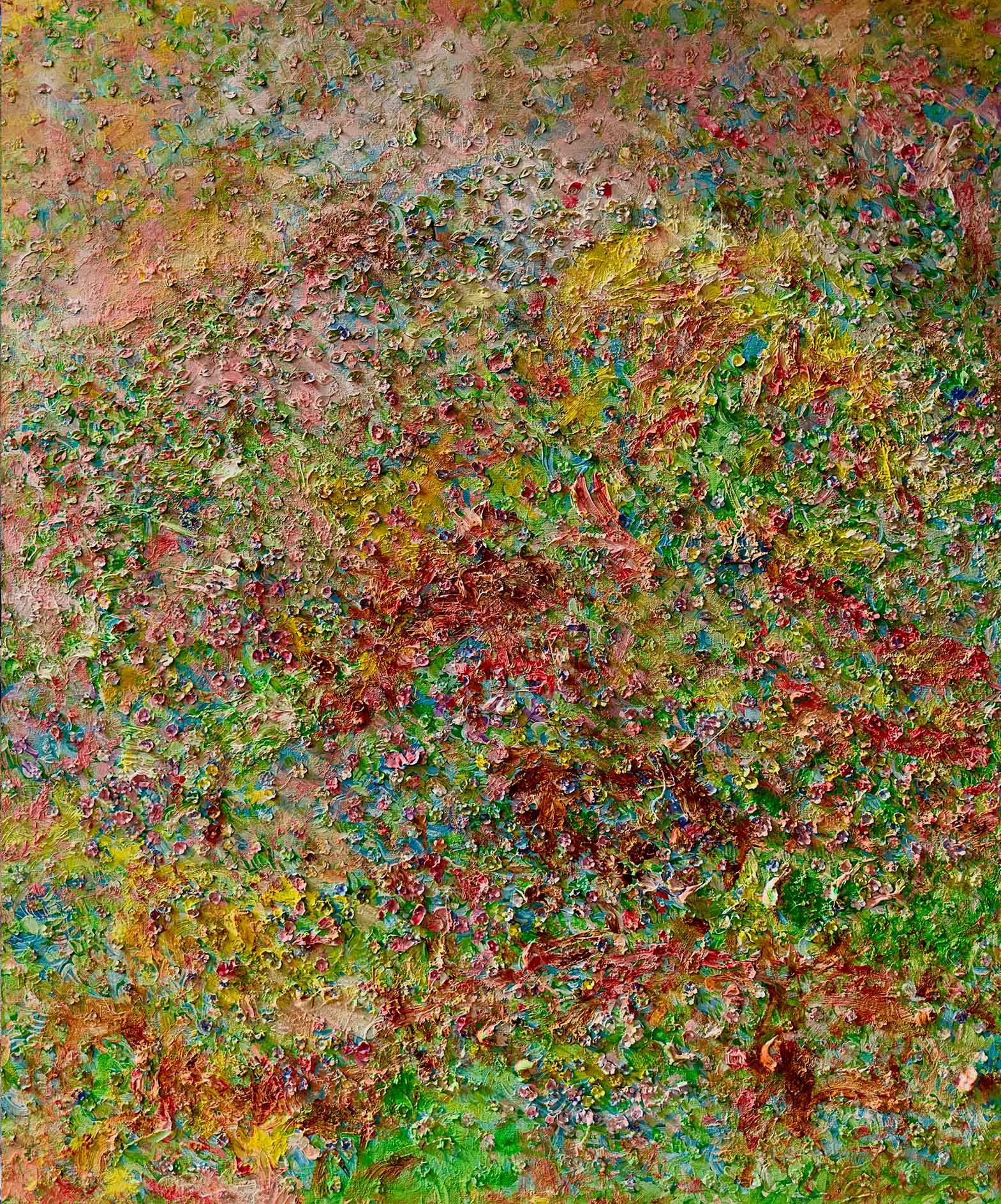
This work explores accumulation as a structural process. Through dense layering of colour and gesture, the surface becomes a field of continuous transformation where fragments of lilies dissolve into abstraction.
Repetition operates not as ornament but as a generative system. Each mark deposits time and labor, gradually building a terrain where form is never fixed but constantly emerging. The painting becomes a record of growth, erosion, and repair.
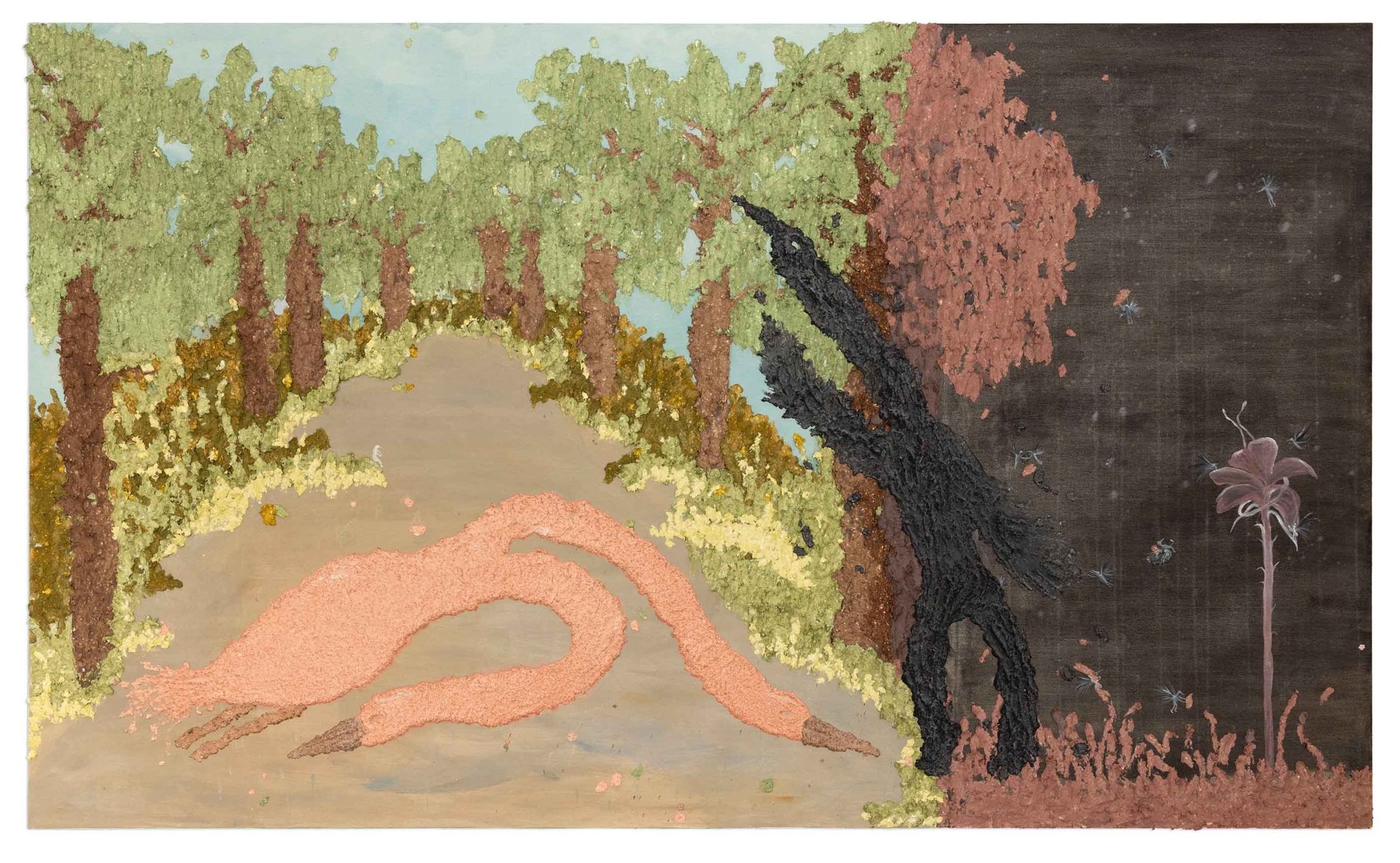
Hunna Art Gallery, Kuwait – The sky keeps Count by Wafa Al Falahi
The sky keeps Count (2026) suspends the viewer within an interval of becoming, a threshold where a transition is underway yet resolution remains withheld. A crow moves with quiet awareness, not as omen but as philosophical guide navigating the liminal terrain Al Falahi consistently inhabits. Across from it, a two-headed ambivalent swan persists in a state of irreducible tension, its doubled form refusing arrival. Characteristic of Al Falahi’s practice, the work renders vulnerability structurally essential, constructing a cosmology in which life and death, instinct and hesitation, coexist in continuous, unresolved becoming.
Rarares Gallery, Dubai – Breathing Earth by Fatma Lootah
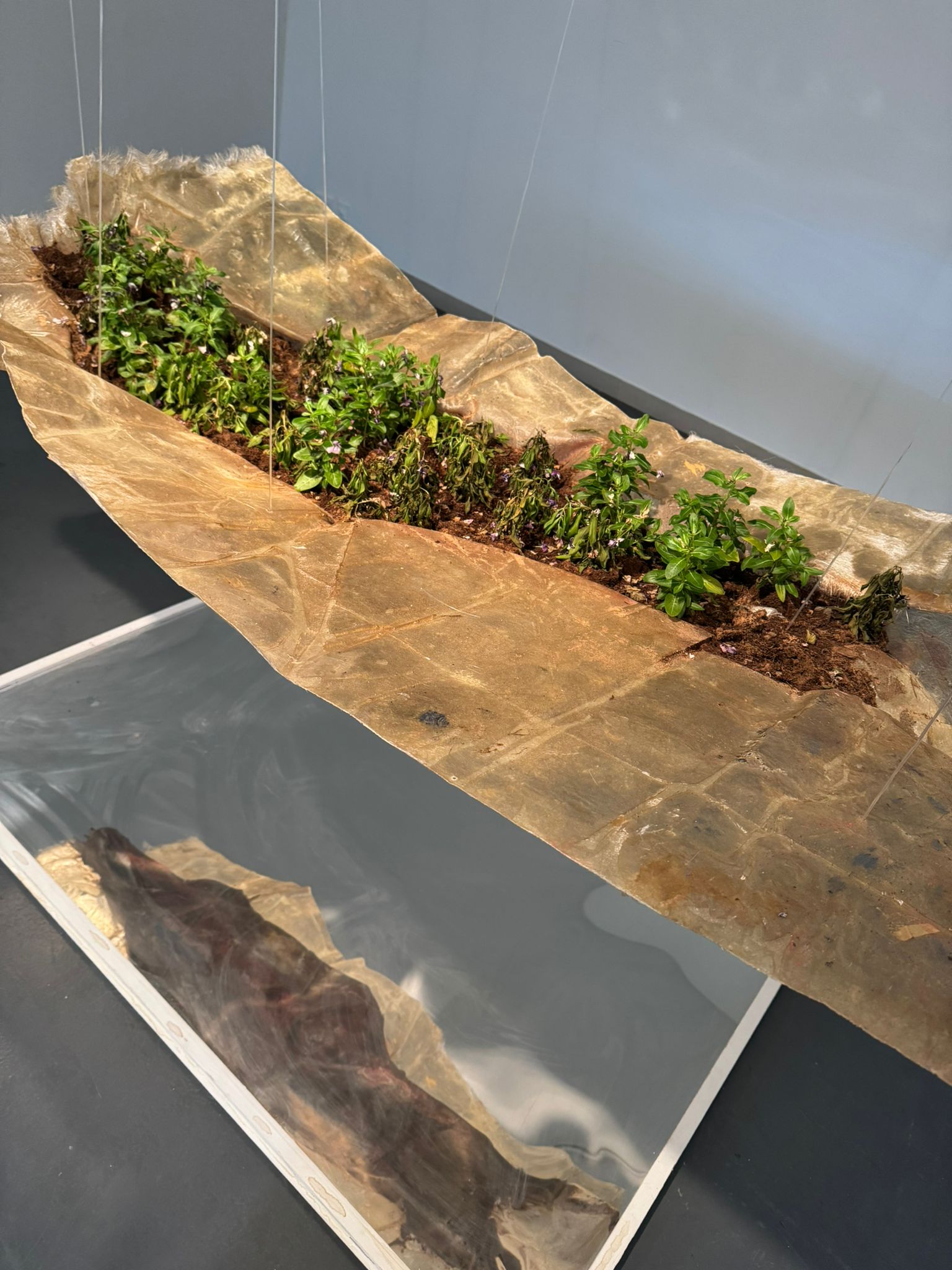
Breathing Earth (2019) is an installation by Fatma Lootah, one of the UAE’s leading contemporary artists, that turns to cycles of growth and decay in both material and metaphorical terms. Born in Dubai and trained in Baghdad and Washington, D.C., Lootah has developed a multidisciplinary practice that draws on Arab visual traditions while remaining conceptually driven, in dialogue with figures such as Hassan Sharif, Rafia Ghubash, and Mohammed Kazem. The installation centres on a suspended, coffin-like structure holding soil and native Emirati flora that slowly bloom and wither, making time perceptible rather than abstract. Below, a mirrored surface catches a faint, reclining human form, displacing the body into reflection and afterimage. A sound element, embedded within the installation, introduces breath as a quiet rhythm and pulsation of life, linking the body to its surrounding environment without resolving into a fixed narrative. Lootah avoids direct figuration, allowing the female body to disperse across floral, mineral, and technological states. The work thus emerges as a ceremonial dispositif in which memory is not preserved so much as continuously reshaped through the shifting relation between body, land, and time.
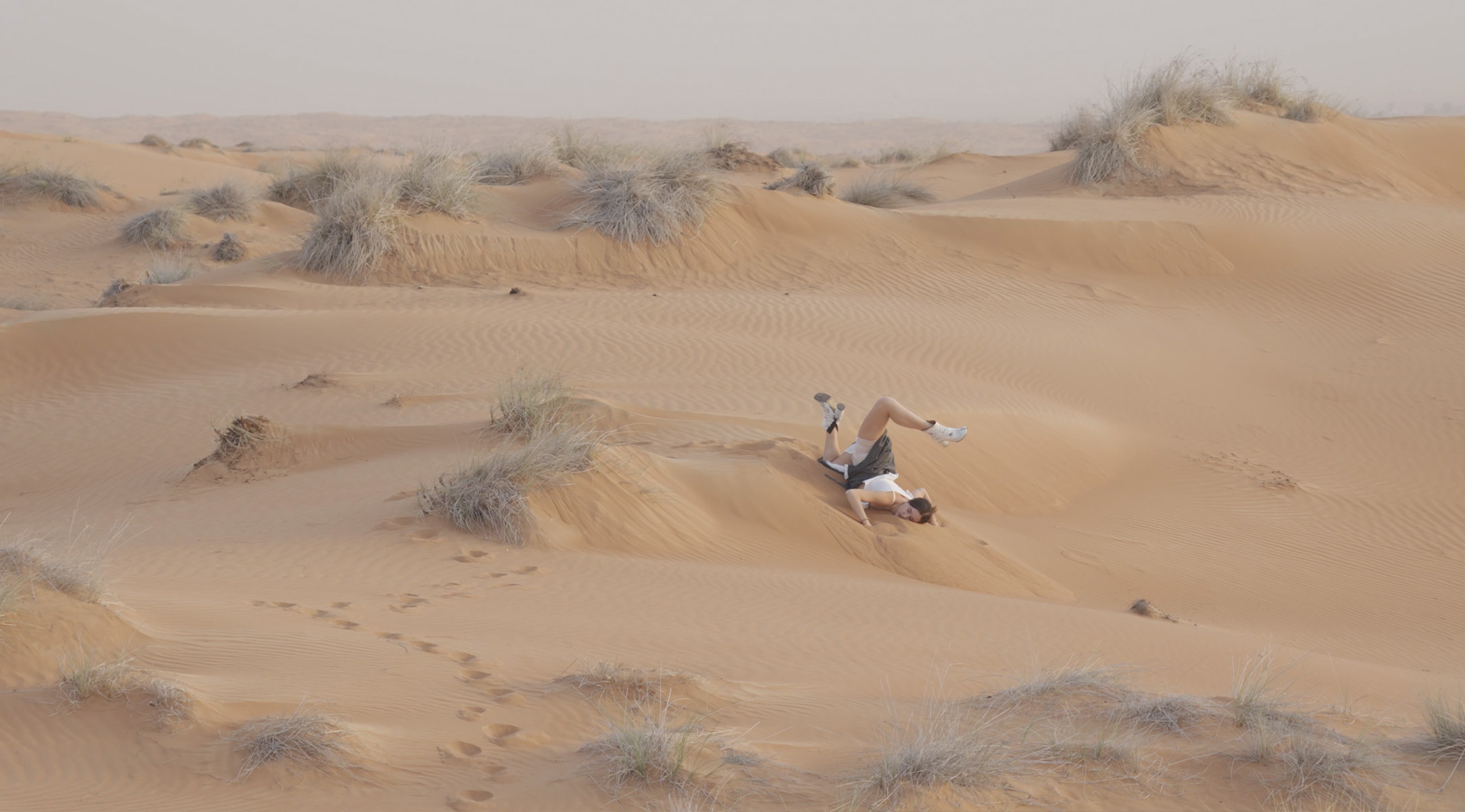
Dom Art Projects, Dubai – My AI lover sees me as a beautifully unstable dataset – emotionally overfit, aesthetically optimized by Sofya Skidan
This work holds particular significance for us, as it was the reason we organised a production residency for Skidan in Dubai. During this period, she explored the local landscape, conducted filming, and worked across several key locations in the Emirates, including Hatta and Al Qudra.
It was important for us that the local environment would become part of the artist’s poetic landscape and visual language, allowing us to see these specific geographies embedded within her work.
We are therefore especially proud that the piece will be presented at Art Dubai, and we hope to show it many more times across different countries in the future.