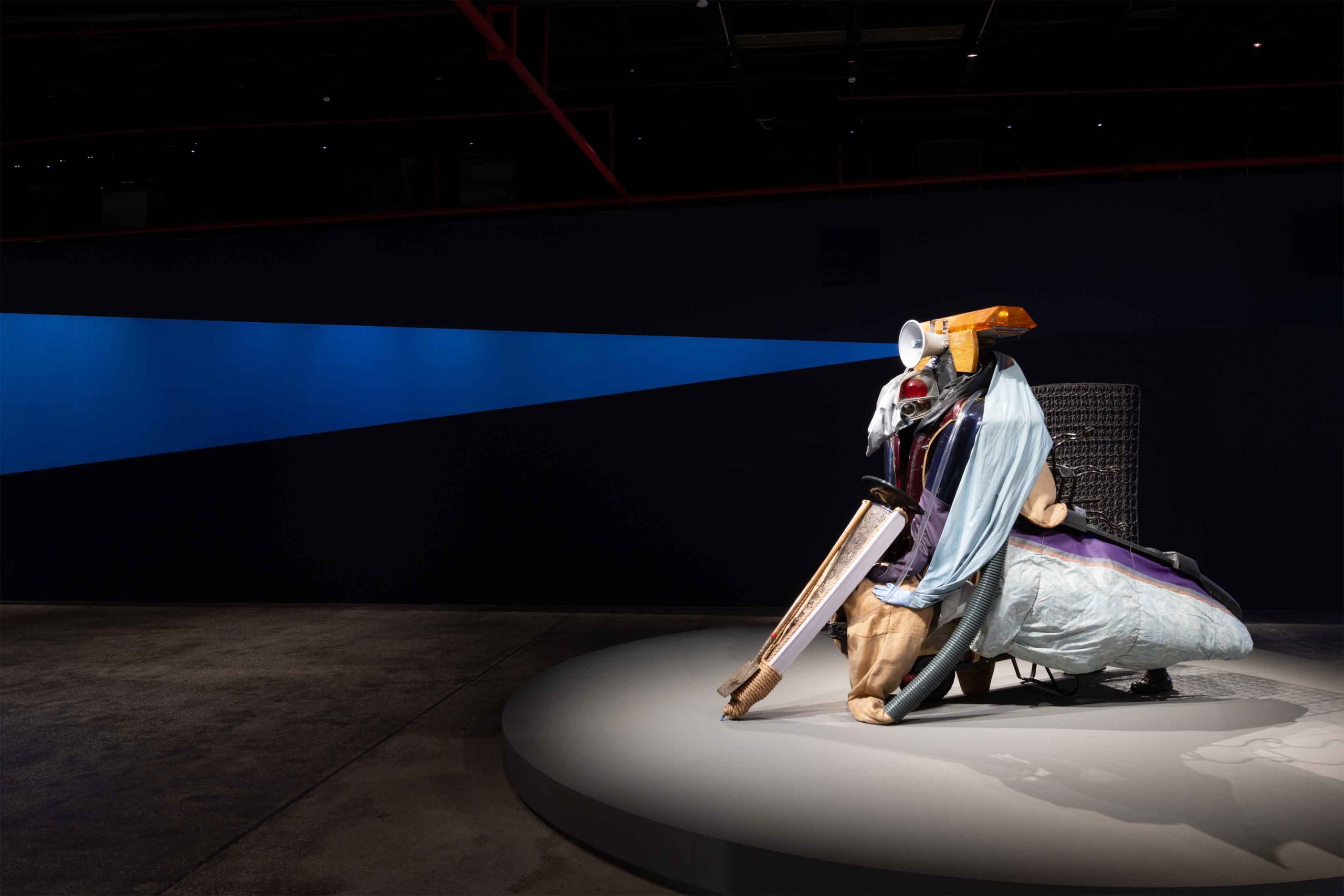
On January 30, 2026, the Diriyah Contemporary Art Biennale returned for its highly anticipated third edition, transforming the industrial JAX District into a vibrant nexus of global discourse. Titled In Interludes and Transitions (في الحِلّ والترحال), the Biennale runs through May 2, 2026, offering a profound meditation on a world in perpetual flux.
Led by Co-Artistic Directors Nora Razian and Sabih Ahmed, this edition moves away from static exhibition models, opting instead for a “choreography” of histories and migrations. The curatorial vision explores how the Arab region – long a crossroads of trade, exile, and pilgrimage – connects to global currents through song, story, and movement. Featuring 68 artists from 37 nations and over 25 new commissions, the Biennale captures the resilience of creative practice amidst the social and ecological upheavals of the early 21st century.
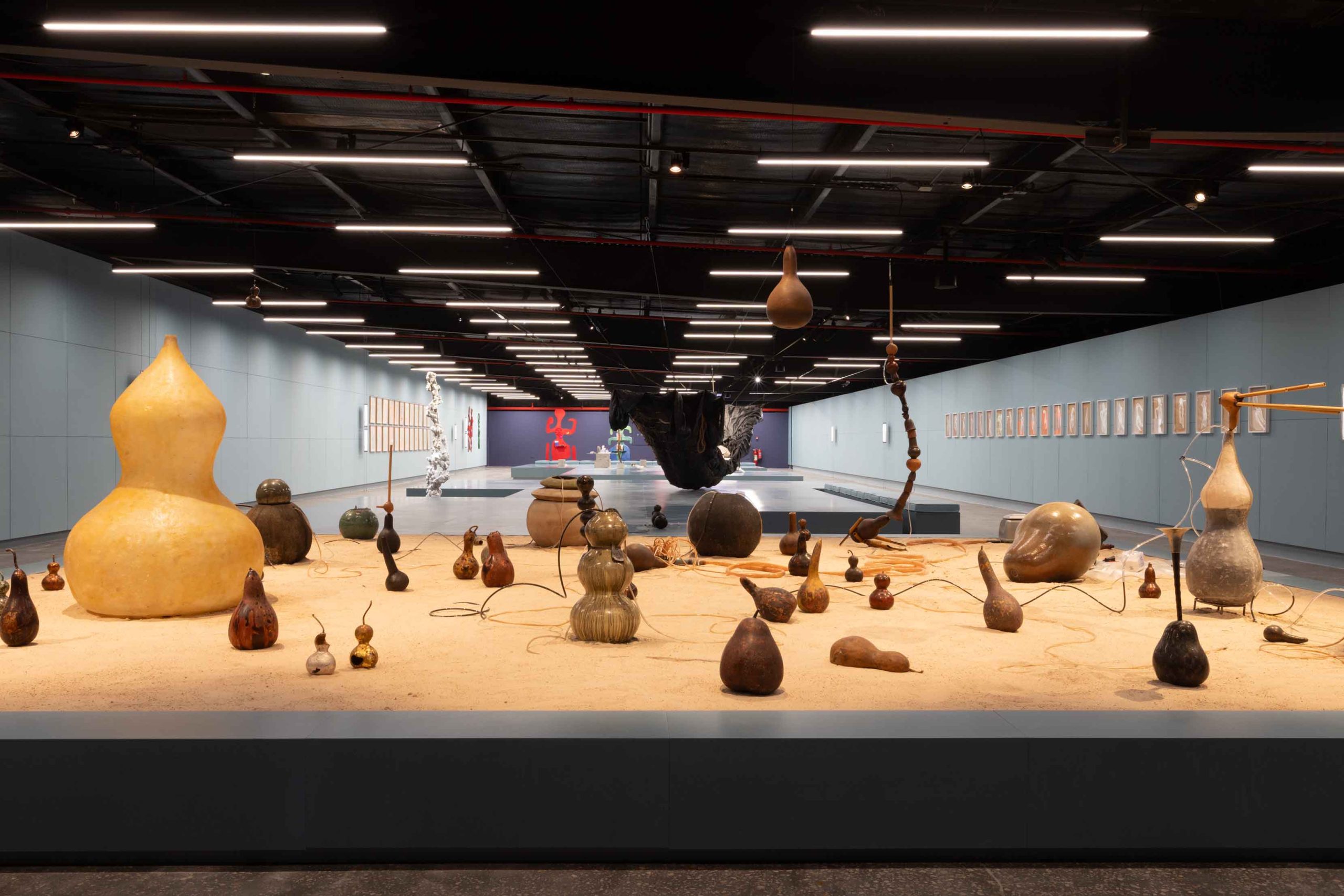
The physical experience is defined by a masterstroke of scenography from the Italian design studio Formafantasma. Spanning 12,900 square meters, the industrial architecture of JAX is reimagined through shifting planes and curved passages that guide visitors in a continuous, immersive flow.
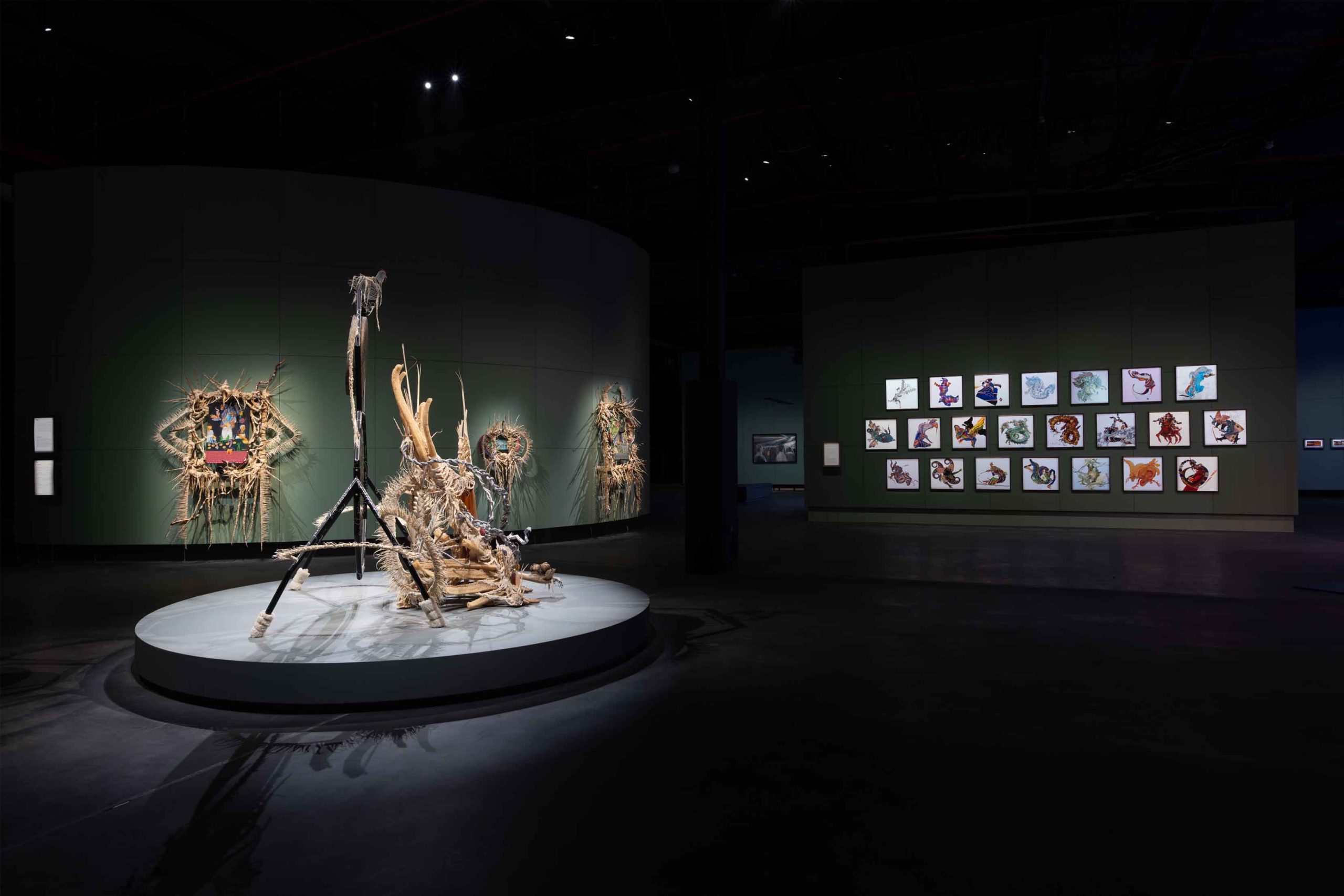
Central to the 2026 edition is the concept of musicality and aural knowledge. This focus on oral tradition is anchored by Saudi artist Mohammed Alhamdan’s major commission, Folding the Tents. This ceremonial procession wends through the Wadi Hanifah valley before culminating in a performance by the Miniawy Trio, bridging the gap between ancient gestures and digital-age aesthetics.
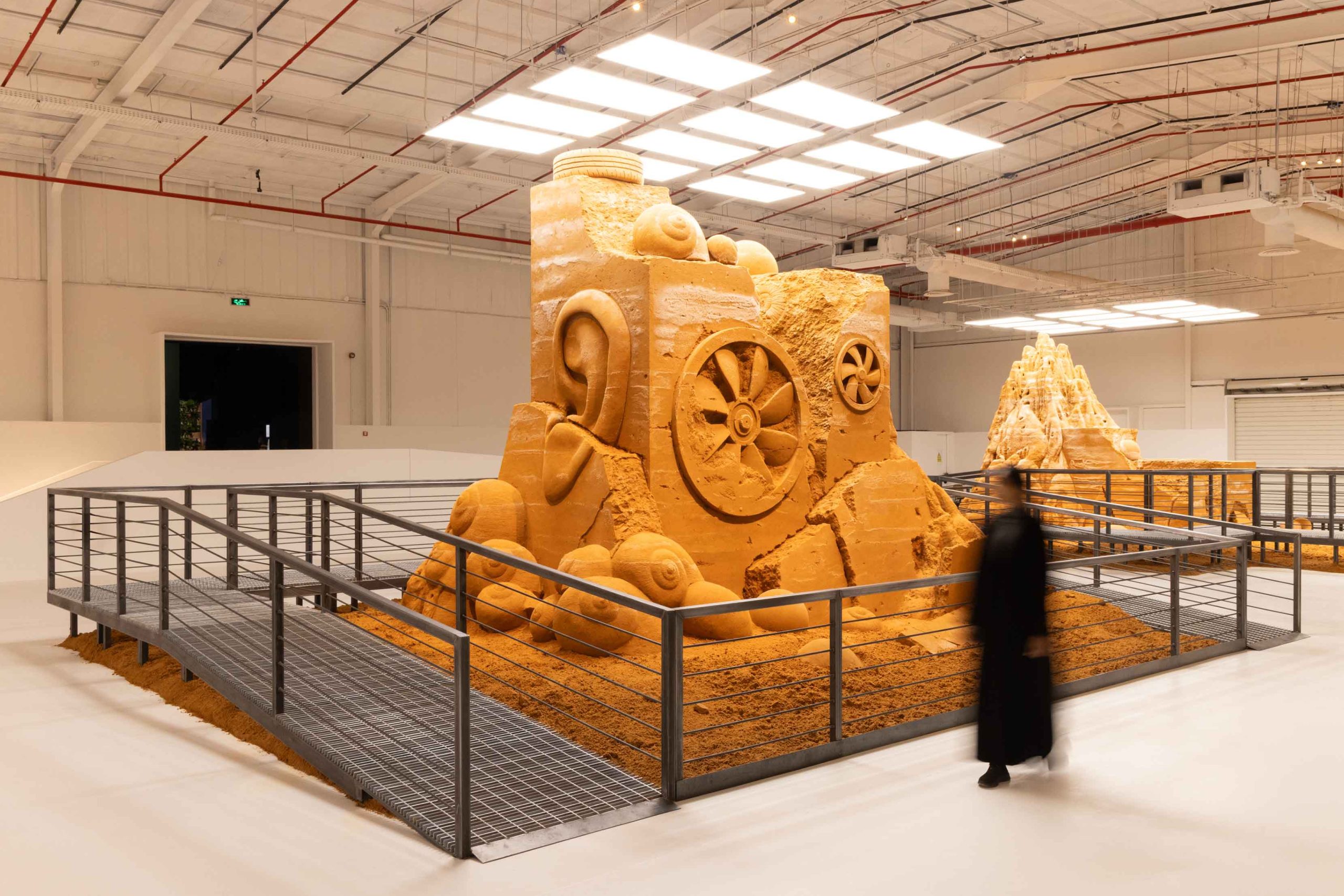
“The 2026 edition documents a remarkable breadth of artistic practices,” notes Aya Al-Bakree, CEO of the Diriyah Biennale Foundation. “It speaks to an exciting moment where more centers of thinking are gaining visibility.” As Razian and Ahmed suggest, the Biennale invites the public to move with the art. By framing the world as a multitude of “overlapping vectors,” the exhibition replaces the idea of fixed origins with a celebration of itinerancy. In doing so, it cements Diriyah’s role not just as a historical site, but as a living incubator for the world’s most pressing contemporary narratives.