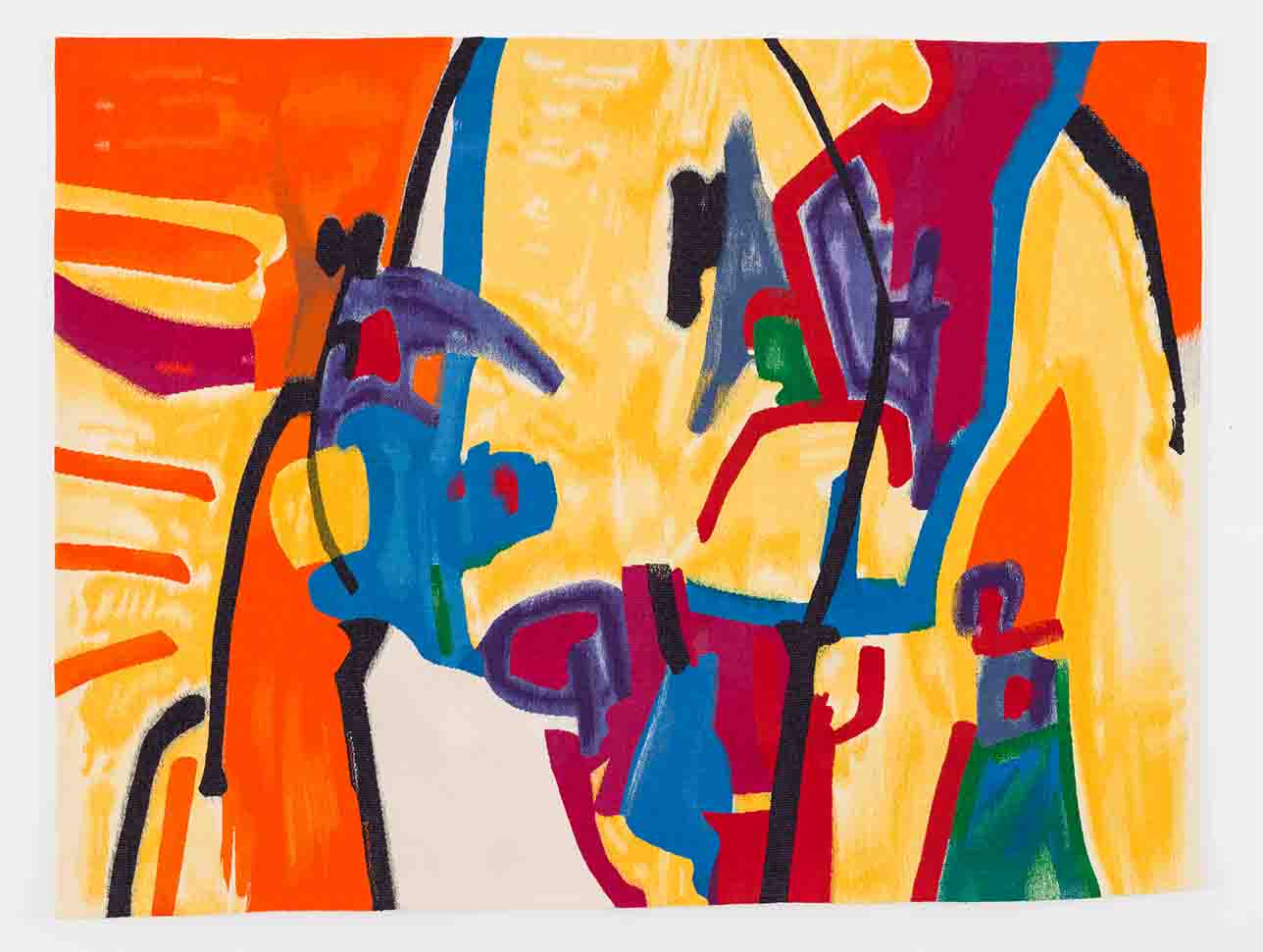
Across the Arab region, a climate of uncertainty continues to weigh on everyday life, reshaping both social and cultural landscapes. Yet within this tension, galleries, fairs, and museums persist as spaces that hold continuity, reflection, and exchange.
In moving forward, the cultural sector affirms its role as a steady force that endures alongside the communities it serves. In this week’s Insider’s Brief, we look to the enduring strength of the region’s cultural sector.
QATAR
In Doha this week, museums reopen their galleries after a period of closure, inviting audiences to reengage. Many installations resume their showing hours.
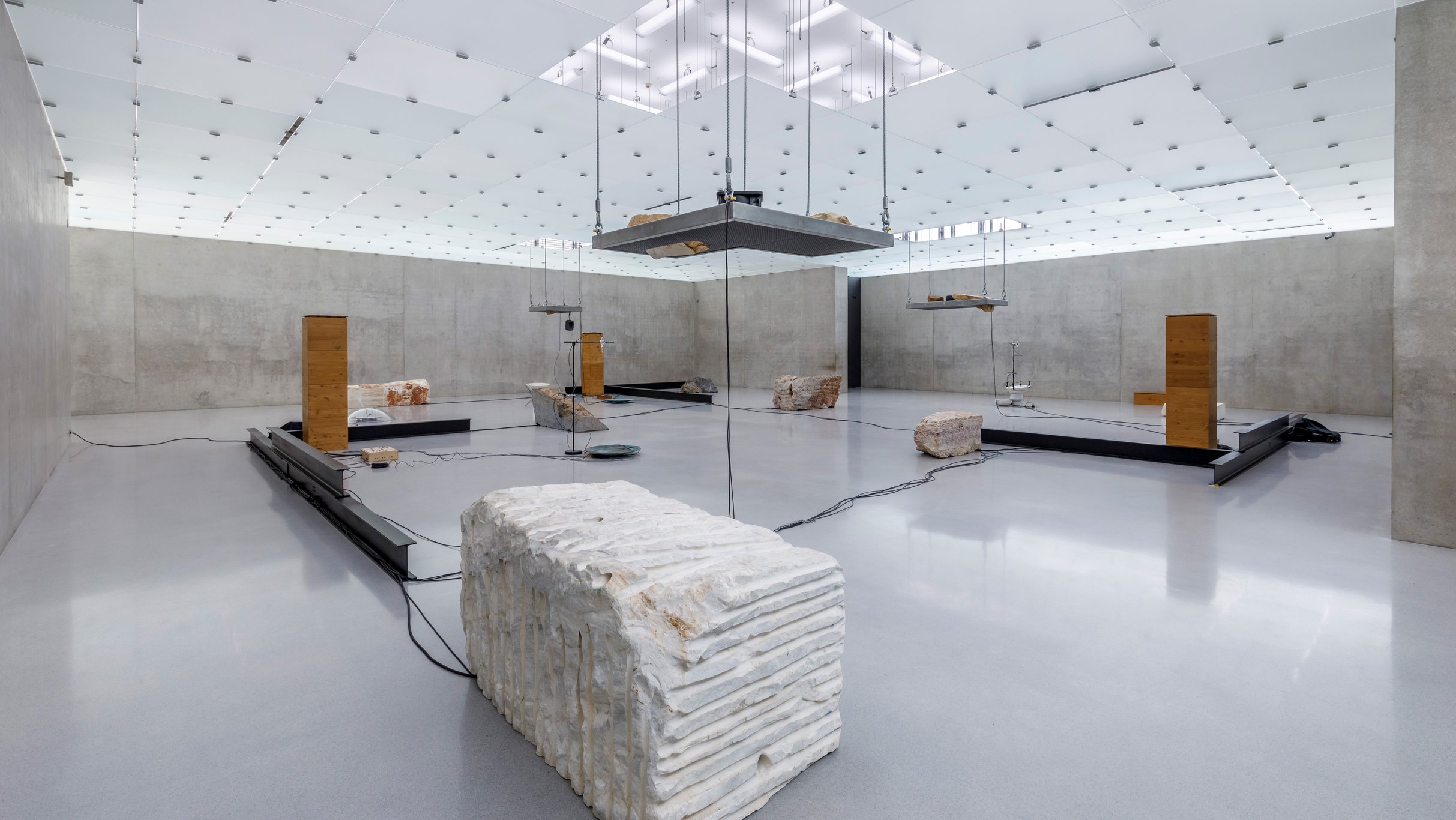
Mathaf: Arab Museum of Modern Art reopens its doors to Waters’ Witness (until 18 May 2026) by Tarek Atoui – a work that foregrounds material sensitivity and temporal flux to how perception and environment shape each other – and Resolutions: Celebrating 15 Years of Mathaf (until 8 Aug 2026) that presents a curated survey of the museum’s collection, emphasising artists who respond to political, social, and environmental currents in West Asia.
While Museum of Islamic Art, re-invites audience to Empire of Light: Visions and Voices of Afghanistan (until 30 May 2026) that gathers paintings, manuscripts, and photographs from Afghan collections, highlighting modes of storytelling where material and narrative intertwine.
With the reopening of its museums, Doha insists on the presence and significance of its cultural sector in times of uncertainty.
UNITED ARAB EMIRATES
Across Dubai this week, continuity is the theme of the city as exhibitions unfold in painting, sculpture, photography, and text, each treating form as a field to be reconstructed in situ.
At Gallery Isabelle, Move Pause Return (23 Mar – 11 Apr 2026) marks the gallery’s twentieth anniversary through a cumulative format: one work is introduced each day over twenty days, gradually building an exhibition that shifts from isolation to density. Each piece remains distinct, even as new relationships form.
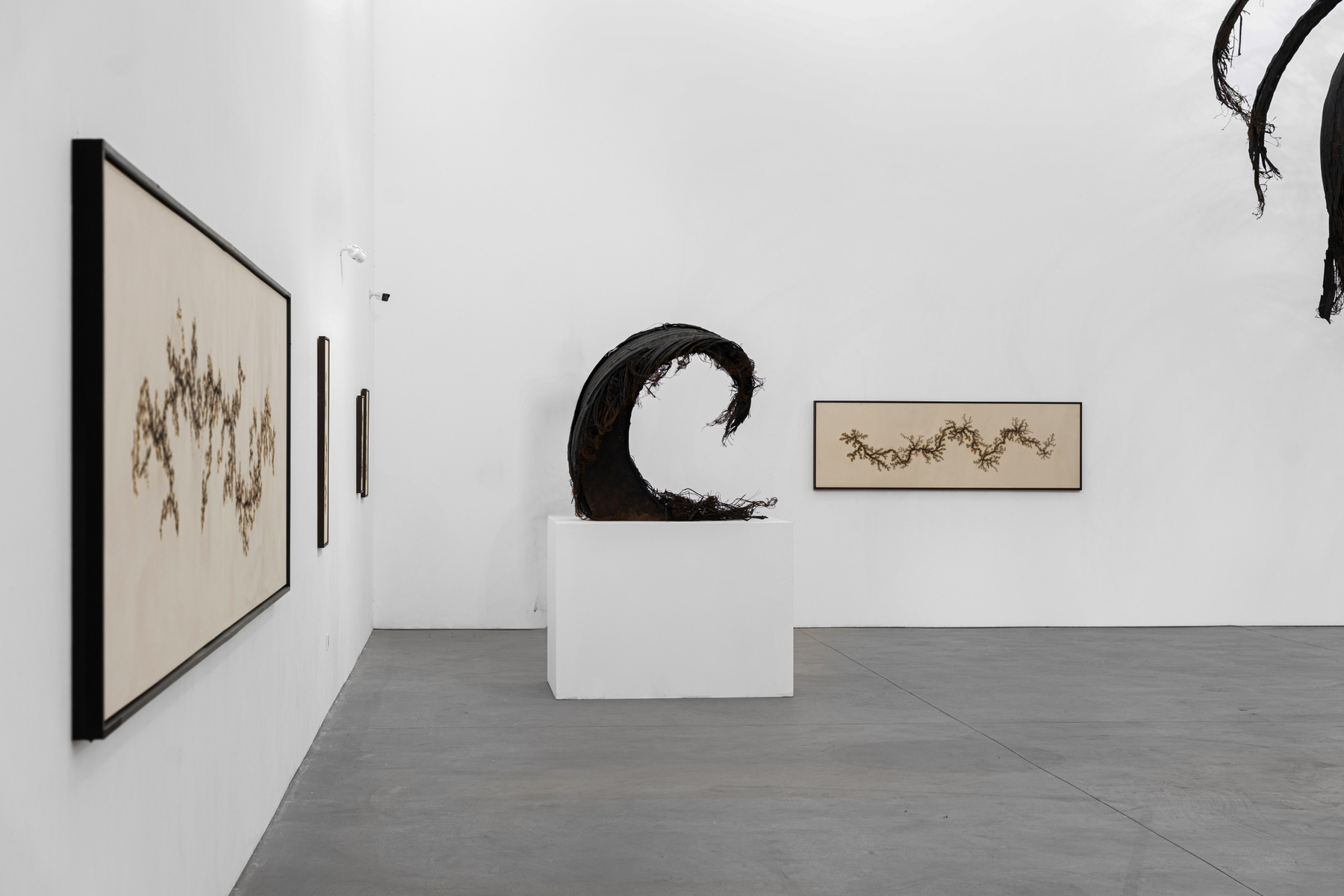
At Leila Heller Gallery (14 Mar – 8 Apr 2026), several exhibitions run concurrently: Douglas White presents, The Great Wave, large-scale sculptural forms derived from marine and organic structures; Mehdi Farhadian’s Revealing the Unseen shows figurative paintings with tightly rendered surfaces and psychological intensity; while All in the Family brings together Atieh Sohrabi, Farshid Sahafiey, and Baran Shafiey in a generational dialogue through painting.
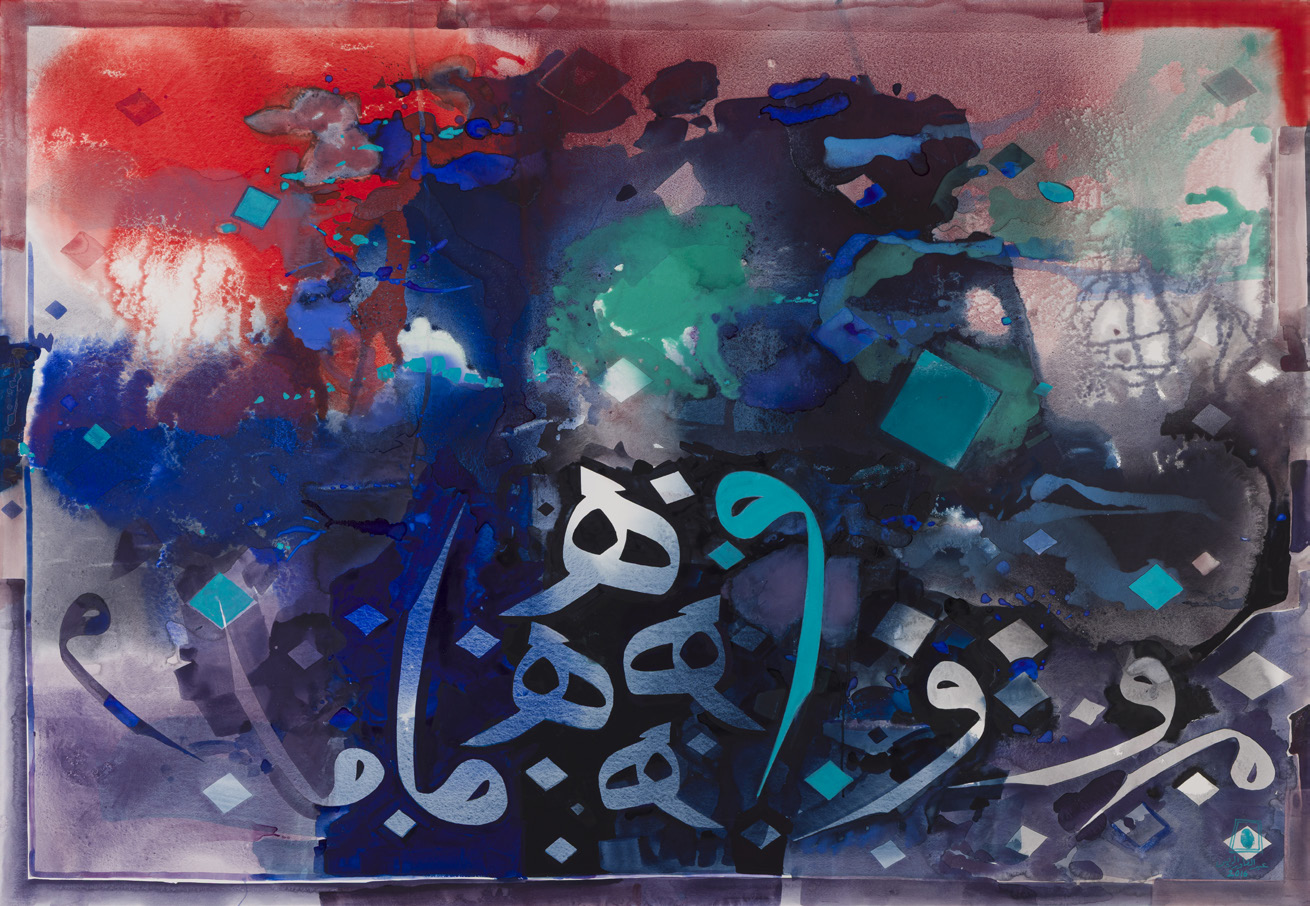
At Tashkeel, SALAM (13 Mar – 13 Apr 2026), curated by Ibrahim Zaki, gathers works that manipulate Arabic letterforms into stretched, layered, and abstract compositions, where language functions as both visual structure and surface.
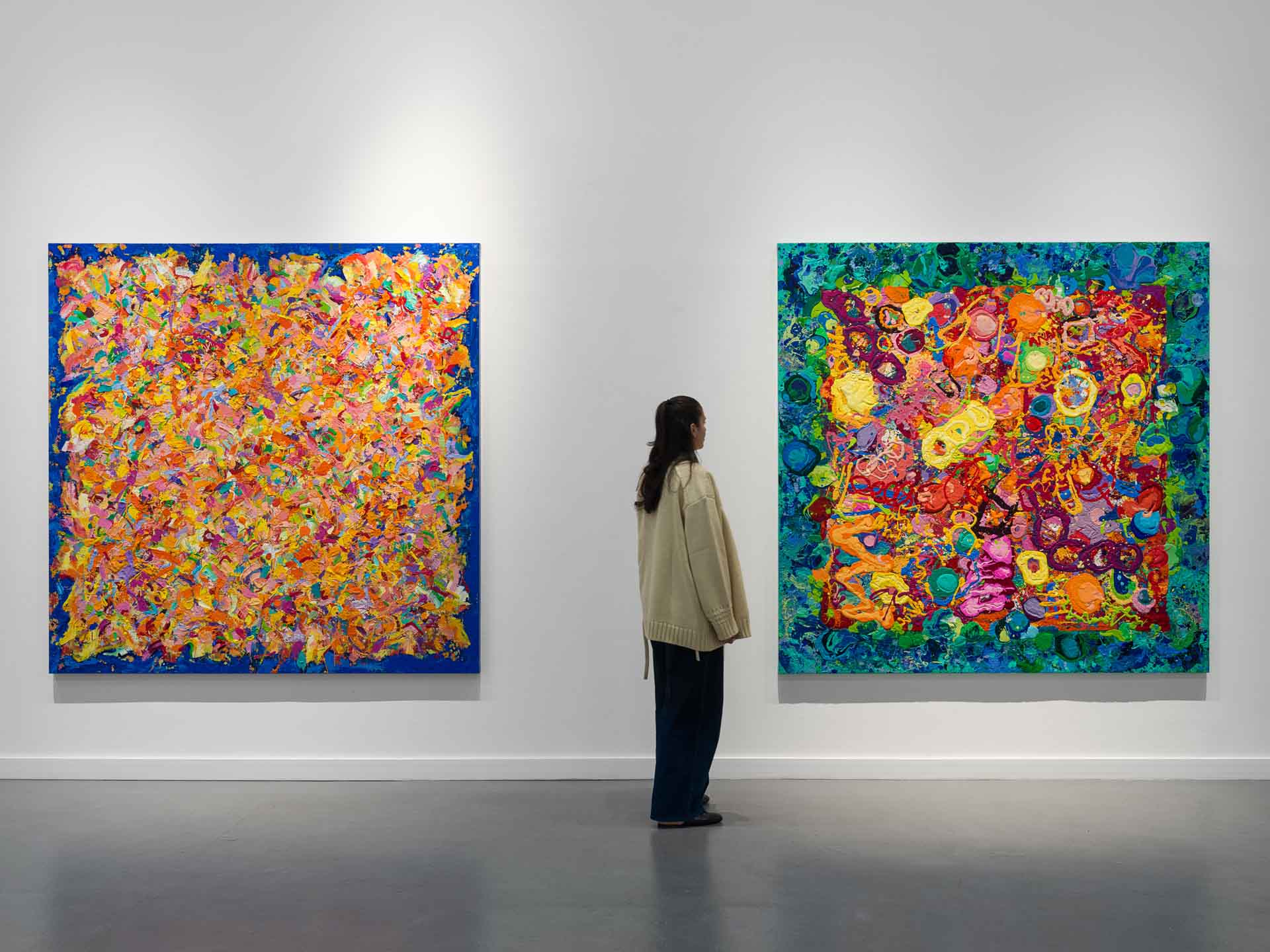
At Ayyam Gallery (until 10 April), Mouteea Murad presents Exodus Through the Maze: Disorientation as Fate, with canvases structured as labyrinthine compositions that resist linear reading, while Nihad Al-Turk’s Creatures of Hope introduces hybrid, figure-like forms rendered in a deliberately naïve style, staging tensions between fragility and unease. Murad is a contemporary Lebanese painter whose practice explores perception, memory, and spatial psychology; Al-Turk, also Lebanese, interrogates humanity and morality through allegorical, hybridised imagery.
At Kutubna Cultural Center, The City in Its Details (4 Apr – 10 May 2026) presents photographs by Robert Powers, an architect and photographer whose images document Dubai’s urban fabric through façades, construction sites, and shifting architectural scales, placing older structures in direct visual tension with recent developments.
Finally, at Opera Gallery Dubai, Al Nayed (26 Mar – 8 Apr 2026) presents a retrospective of Abdulqader Al Rais, a pioneering Emirati painter whose work has been central to shaping contemporary art in the UAE. The exhibition brings together canvases from key series: paintings of the Ghaf tree rendered in simplified, rhythmic forms; compositions structured around Arabic calligraphy. Across these works, architecture, script, and landscape are reduced, repeated, and reorganised into a visual language that moves between cultural reference and formal construction.
LEBANON
In Beirut, art continues to engage with layered histories and embodied experience through exhibitions that remain on view despite the escalated violence.
At Dalloul Art Foundation, Echoes Across the Nile: A Hundred Years of Egyptian Art from the DAF Collection (from 4 Mar – 2 Jul 2026) presents 103 works by 53 artists tracing the evolution of Egyptian modern and contemporary art. Drawing on movements such as Al Ruwwad, Art et Liberté, and the Contemporary Art Group, the exhibition foregrounds how Egyptian artists negotiated identity, political rupture, and formal exploration over the 20th century. Paintings range from bold, expressionistic gestures to carefully modulated surfaces; sculptural forms assert material presence in dialogue with historical reference; and mixed practices reveal how continuity and rupture shape visual language across decades.
In recent news in Lebanon, artists Walid Raad, Khaled Sabsabi, Hala Schoukair, Raed Yassin, and the duo Joana Hadjithomas & Khalil Joreige to participate in the 61st International Art Exhibition of La Biennale di Venezia’s In Minor Keys exhibited at the Giardini, the Arsenale, and in various locations around Venice (from 9 May – 22 Nov 2026). Based on the curatorial text left by the late Koyo Kouoh, the exhibition will gather 111 international creators “expanding upon Koyo’s relational geography of encounters with artists over her lifetime.” The Lebanese participation then links Beirut to a broader network of artistic practices. With their work often rooted in archival engagement, narrative fragmentation, and cross‑medium exploration, they will articulate how contemporary practice negotiates memory, place, and identity across geographies.
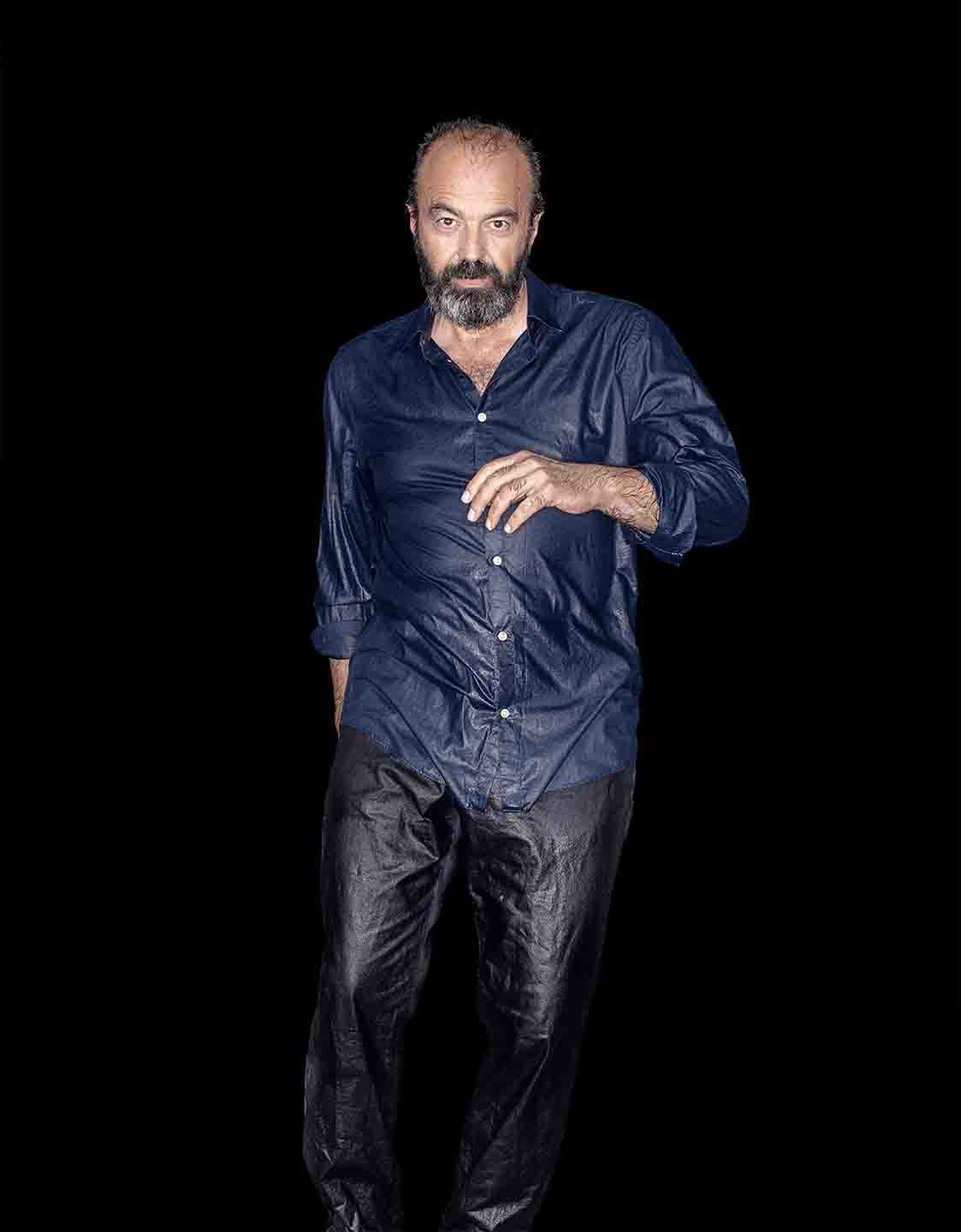
Meanwhile, at Galerie Tanit, I Was Seven the Day I Came Back Home Completely Soaked (from 12 Mar – 23 Apr 2026) by Gilbert Hage remains on view until April 23rd. The series was developed through a series of staged encounters in which participants stood under running water without a set choreography or script. The artist observed how repeated exposure shaped bodily responses over time, how movement, posture, and interaction changed, allowing the work to evolve gradually through these sessions rather than being pre-defined. In saturated images where skin becomes membrane and garments bear weight, water sets rhythm, adhesion, and resistance, making tension and memory visible in the encounter between body and element.
KINGDOM OF SAUDI ARABIA
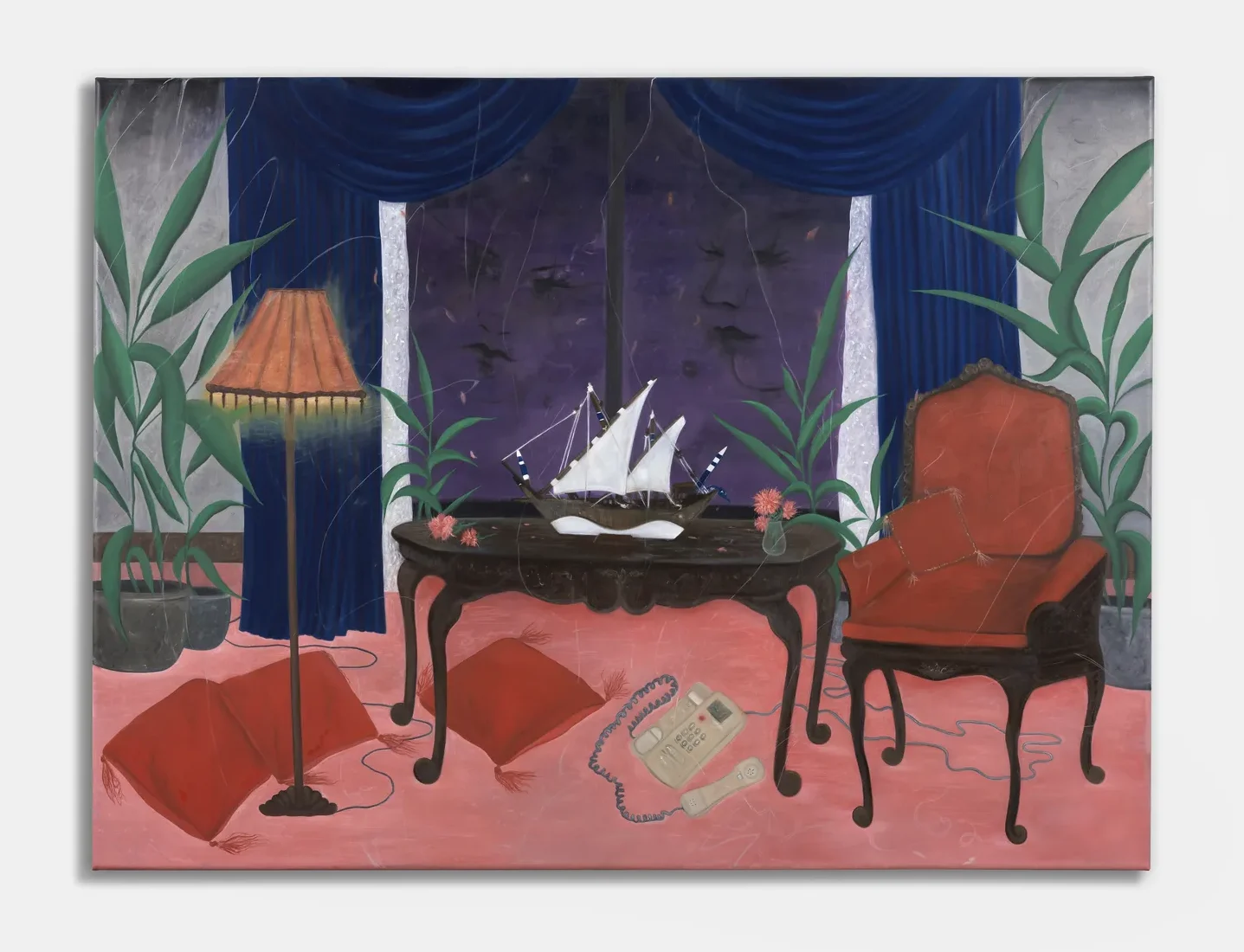
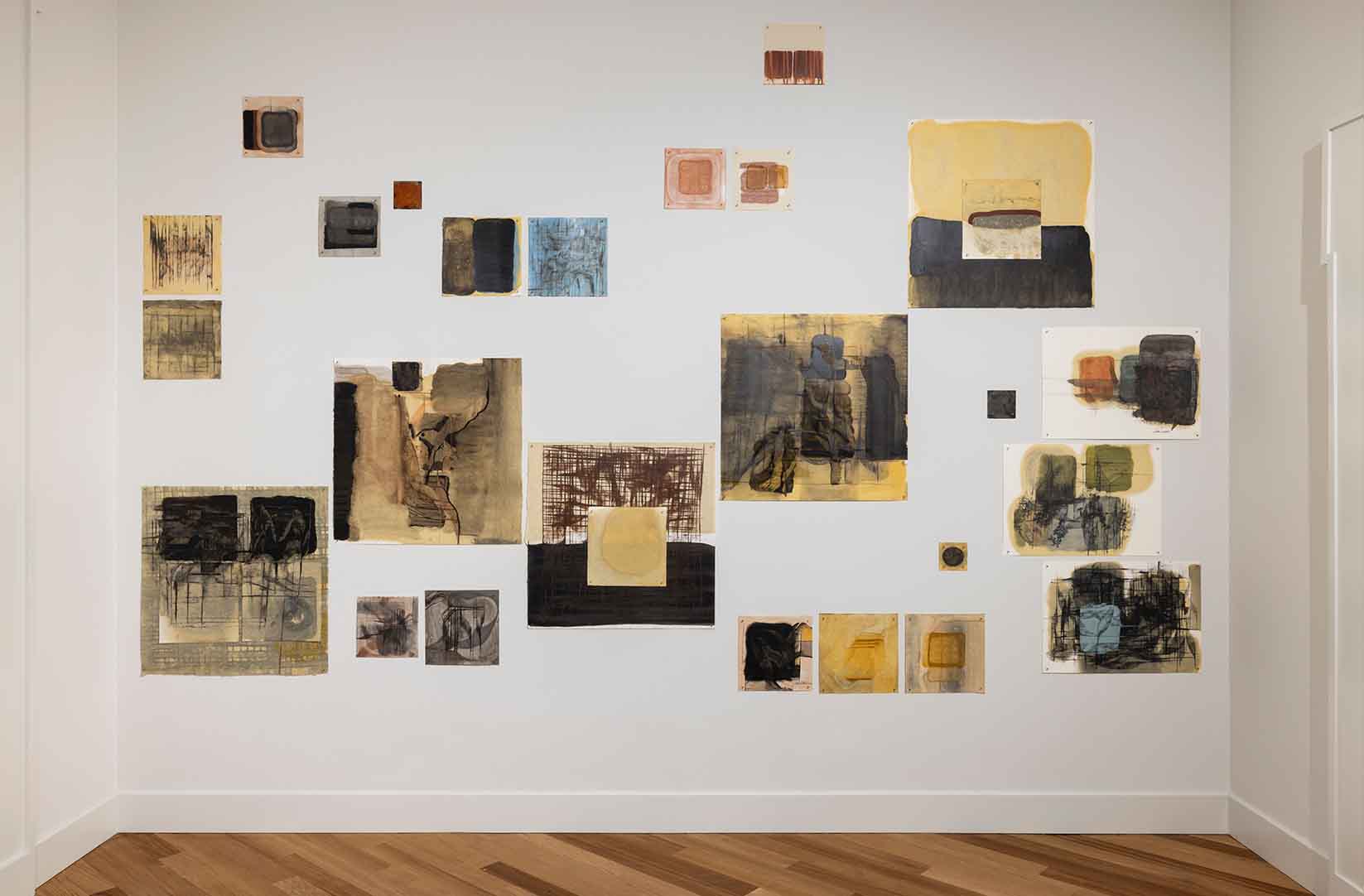
In Jeddah, I Am Not What I Am, I Become (from 27 Jan – 30 Apr 2026) continues at Athr Gallery, foregrounding works by contemporary Saudi and regional artists engaged in fluid, processual understandings of identity. Curated by Afia Bintaleb, the exhibition refuses stable self‑portraiture; instead, identity emerges through surfaces that hint at personal history, material gesture, and the friction between revelation and restraint.
The artists represented come from practices that prioritise transformation and negotiation over documentation. Some canvases carry the texture of family and land; others register forms of control and resistance through disrupted surfaces and layered materials. Across the gallery, the process of making – weighing what to show and what to withhold – becomes the ground itself. Surfaces resist clarity, narratives remain partial, and forms evade firm definition. In this tension, identity is rendered not as fixed image but as a continuously shifting field of perception and presence. This way, the show asserts itself as a reminder that form is as much an event in time as it is an object in space.
THE WORLD
This week, the Arab diaspora continues to propel itself around the world, leaving traces in galleries, streets, and minds alike.
In Paris, the Institut du Monde Arabe presents Byblos, a Thousand‑Year‑Old City (from 24 Mar – 23 Aug 2026), an exceptional assembly of more than 400 objects that trace the long history of one of the world’s oldest continuously inhabited cities. Byblos’s material culture – from the Abishemou Obelisk to mosaics depicting mythic narratives – draws on Mediterranean trade networks, Bronze Age necropolises, and early urban infrastructures. Organised around recent archaeological discoveries, the exhibition foregrounds how artefacts function as evidence of ancient exchange, belief systems, and technological ingenuity. Visitors encounter architectural fragments, funerary reliefs, and ritual objects not as static relics but as traces that register the city’s layered histories and its role in Mediterranean connectivity.
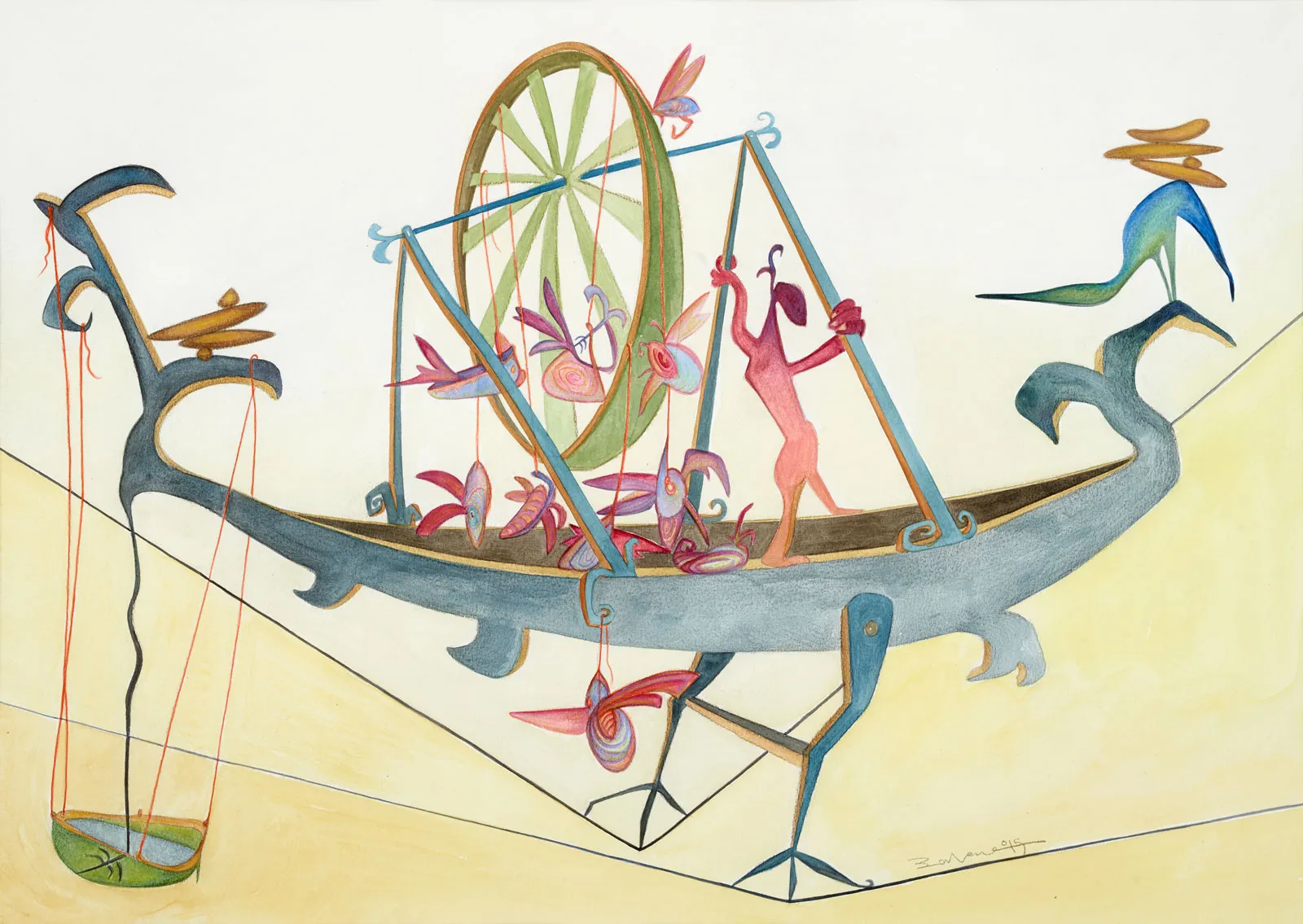
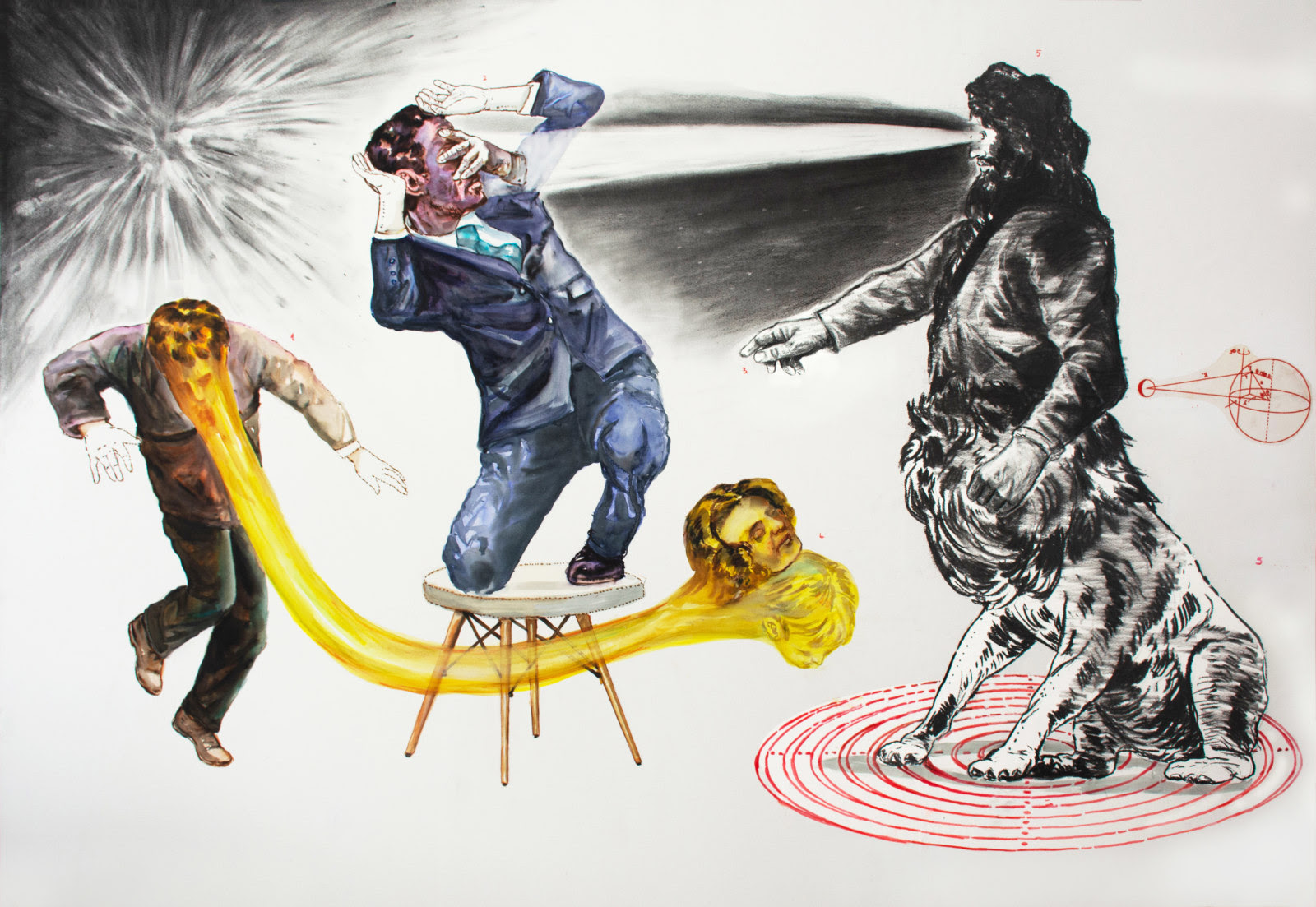
Also in Paris, at Lilia Ben Salah Gallery, Mohamed Lekleti’s Poussières d’exil (from 19 Mar – 31 May 2026) brings together a suite of recent drawings showcased for the first time at the gallery. Lekleti, a Moroccan artist whose work maps displacement, power, and memory through hybrid figures and fragmented narratives, presents open‑ended images where reality and imagination intertwine. In works such as Poussière d’exil (2022), motifs such as maps and symbolic figures interlace with unexpected elements – microphones, threads, and machine appendages – producing visual riddles that resist definitive interpretation yet insist on the viewer’s active engagement.
In Italy, Arab representation takes centre stage. For the National Pavilion of Syria in the upcoming 61st International Art Exhibition – La Biennale di Venezia, artist Sara Shamma contributes The Tower Tomb of Palmyra, a large‑scale, immersive installation combining painting, architecture, light, sound, and scent. Shamma’s practice repeatedly addresses identity and cultural heritage in the context of conflict; here she references Palmyra’s funerary towers – once symbols of coexistence and artistic synthesis – not only as structures of loss but as frameworks for reflection on restitution and cultural resilience.
In Milan, at the Saikalis Bay Foundation, Shifting Crossroads | Beirut Contemporary (from 23 Mar 2026) brings together works by artists Catherine Cattaruzza, Simone Fattal, Joana Hadjithomas & Khalil Joreige, Mona Hatoum, Lamia Joreige, Omar Mismar, Rabih Mroué, Stéphanie Saadé, Soraya Salwan Hammoud, and Akram Zaatari to explore Beirut as a lived crossroad of the Mediterranean. Drawings, photographs, videos, sculptures, and installations animate the city as a site of encounter between memory, geography, and lived experience, where histories are layered, interrupted, and reimagined. In Hatoum’s work, for example, corporeality and displacement become materialised through objects charged with political and emotional force.
In London, Ramzi Mallat inaugurates Atlas of An Entangled Gaze (from 21 Mar – 15 May 2026) at Leighton House. Commissioned for the Arab Hall’s centenary programme, Mallat’s site-specific installation suspends thousands of blue ceramic ‘eyes’ overhead, weaving together Levantine folklore, Islamic craft traditions, and the Hall’s historical ornament. The work engages perception and protection, inviting viewers to confront questions of visibility, vulnerability, and cultural transmission through the interplay of historical craft and contemporary expression.
At Aranya Art Center – Guangzhou, China, In Absence and in Presence: Works from the Sharjah Art Foundation Collection (from 22 Mar – 30 Aug 2026) brings together over 70 works by 28 artists from West Asia, South Asia, and Africa, including Etel Adnan, Simone Fattal, Mona Hatoum, Zineb Sedira, and Hayv Kahraman. Curated around the concept of land as seen through diverse perspectives, the exhibition situates modern and contemporary practices within interconnected lineages. Paintings, sculpture, photography, and video occupy a sustained field of dialogue where artistic experiments spanning decades reveal continuities, disjunctions, and territorial imaginaries.