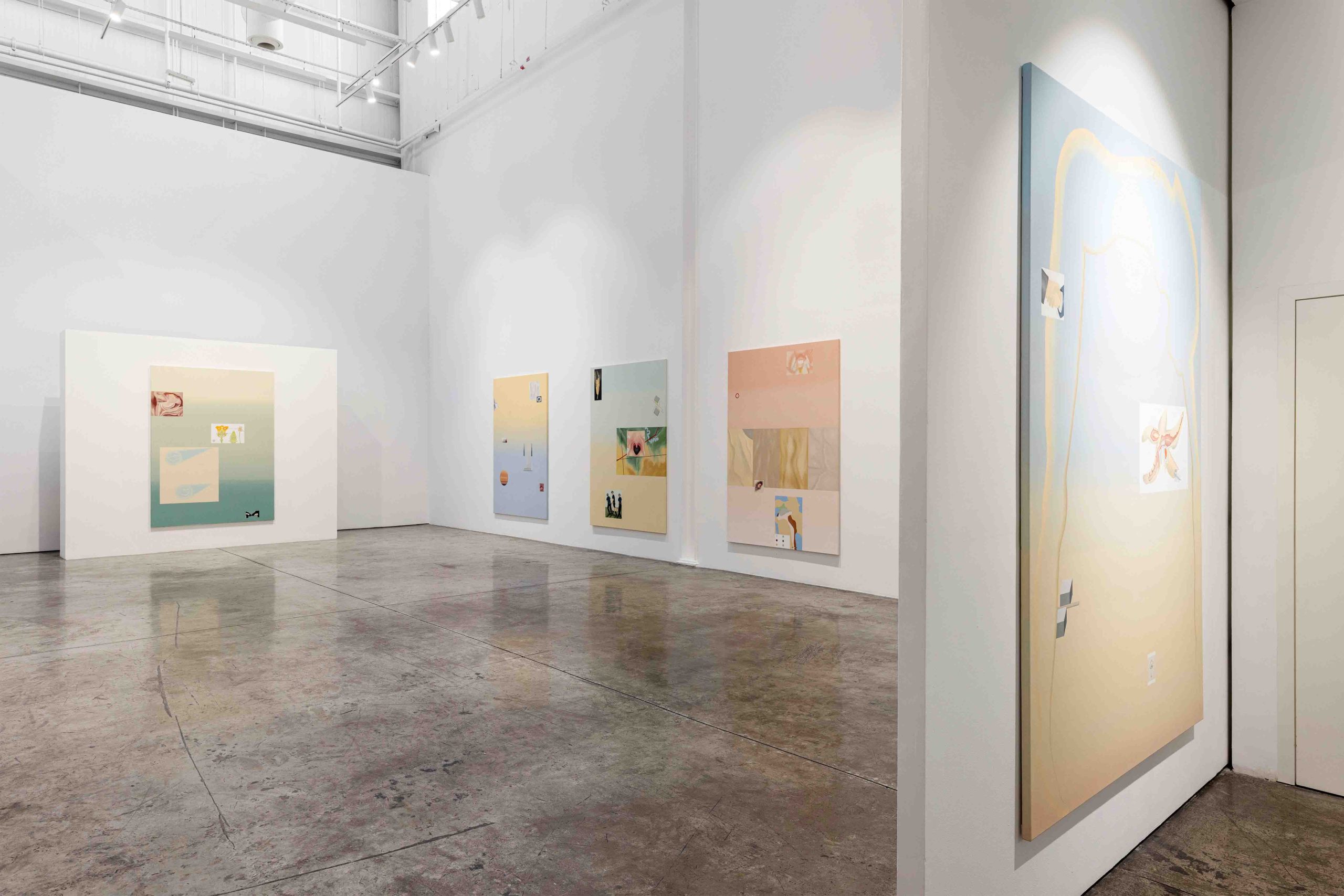
Like many galleries across the region, The Third Line found itself navigating uncertainty following the escalation of hostilities after 28 February. The gallery chose to reopen to the public after postponing From the Perspective of Language, a solo exhibition by Sara Naim featuring previously unseen paintings produced between 2023 and 2026. Selections spoke with director Sunny Rahbar to reflect on how galleries are operating and adapting under these challenging conditions.
Your current exhibition with Sara Naim engages with materiality and perception in subtle ways, has the present context influenced how the work is being viewed or experienced?
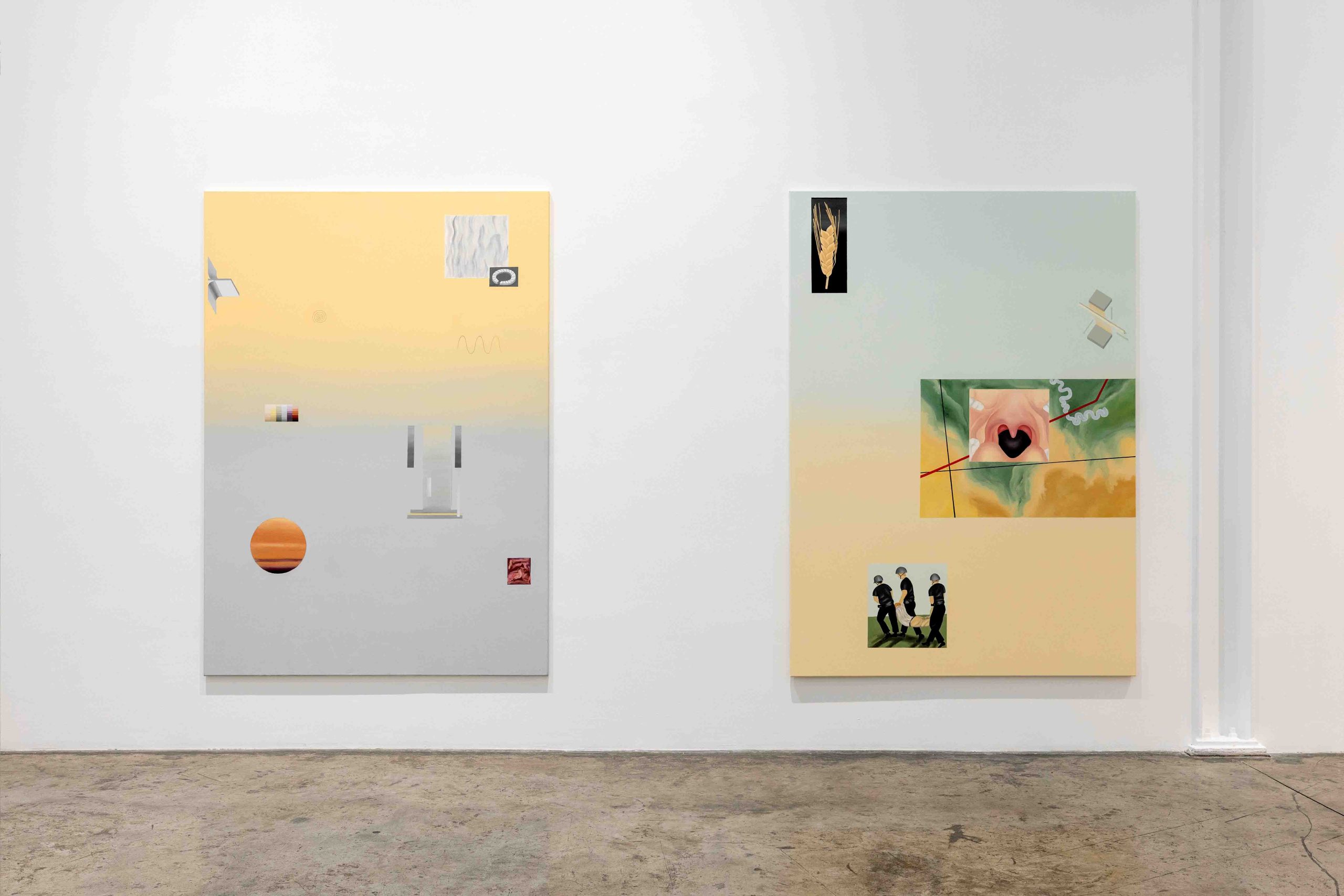
Sara’s work usually invites an attentive mode of looking, as it plays with distance and boundary, as well as being replete with symbols. The present moment has perhaps heightened that sensitivity. Sara’s engagement with the relationship between inherited systems, like language, and perception feels particularly resonant in a time when so much feels uncertain or destabilised. Visitors who come by really take their time to walk through the exhibition and examine each work.
More broadly, do periods like this affect the pace of the art world, whether in terms of programming, decision-making, or longer-term planning?
Absolutely. Moments like this inevitably shift the rhythm of how we operate. We had to postpone Sara’s exhibition due to current events and keep the gallery closed for a week following February 28. This kind of pause allows for recalibration, and programming becomes more considered. As we thought physical visits to the gallery would be difficult in the following weeks, we decided to place greater emphasis on sharing digital content and created a more interactive online viewing room for Sara’s show, which is available on our website. We are also extending the show, as it was cut short. We’re hoping that it would allow for more engagement.
Have you noticed any shifts in how audiences experience or respond to exhibitions in the current climate?
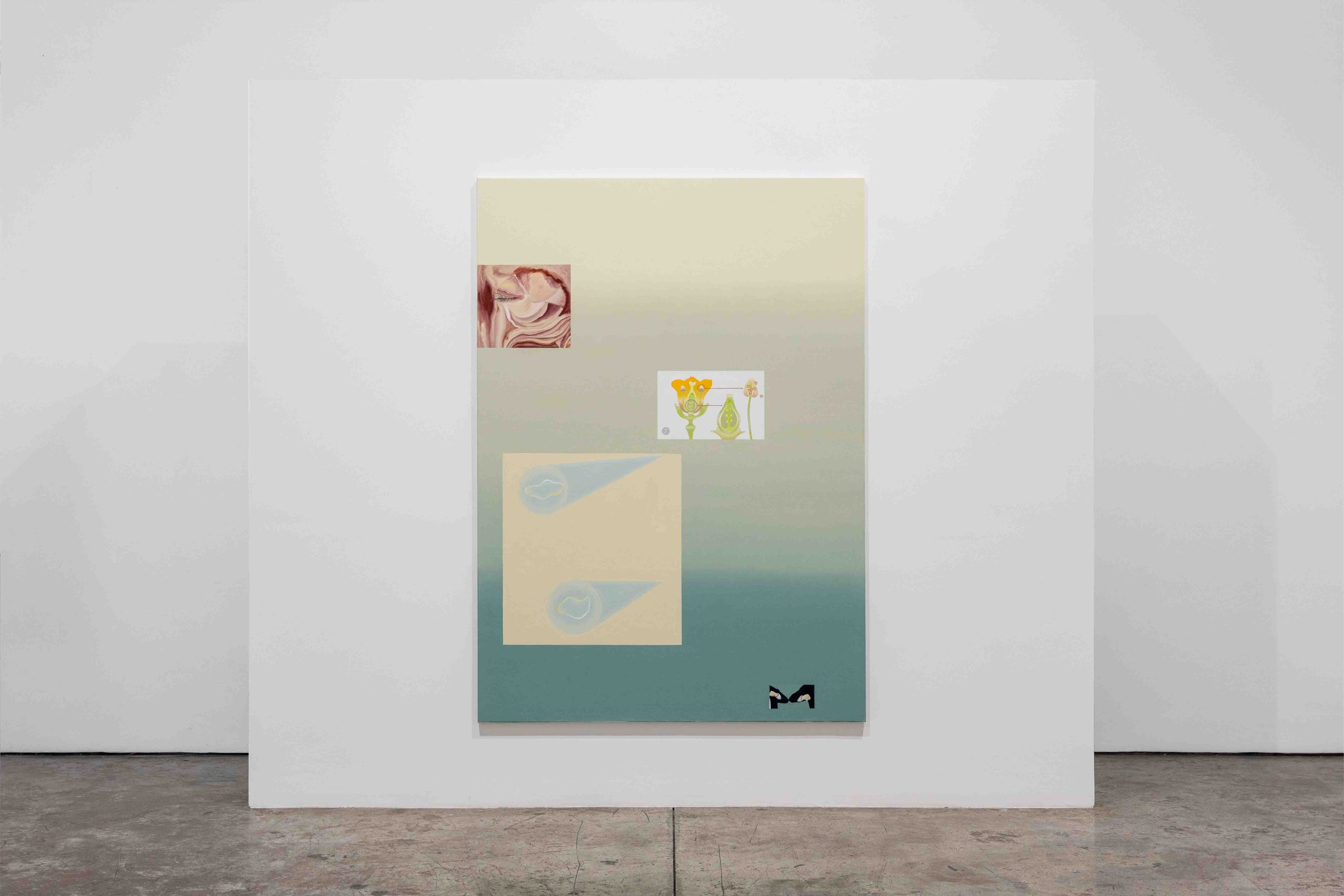
There definitely is a shift. Audiences who are able to stop by the gallery seem to be spending more time with the works, feeling the vast fields of pastel colour gradients that are characteristic of Sara’s paintings, as well as perusing the symbolic images to make sense of them. We’ve also seen more engagement with digital content, especially as we created the online viewing room for the show.
From your perspective, how does the art market respond in times like these? Do you observe changes in pace, priorities, or collector engagement?
The market tends to become more cautious, but not necessarily inactive. Collectors ask more questions and prioritise works that feel meaningful or enduring. Artists continue to make work, and it’s important that we support this creative act in the face of so much violence in the world.