
This article appeared in ‘Reflected Selves: Exploring Portrait Photography.’ This issue explores the intimate exchange between photographers and their subjects, revealing how identity, emotion, and connection shape each portrait. Featuring artists devoted to capturing authenticity and presence, this issue highlights photography as a shared journey, one that goes beyond the surface to preserve the essence of a fleeting moment.
Anastasia Nysten (AN): Vladimir, how would you define yourself?
Vladimir Antaki (VA): I am still in the process of discovering that. I am not the same person I was a year ago or even five years ago. While this may sound cliché, it is a truth I have come to accept. Significant events in my life, as well as in the lives of those close to me, have shaped my personality. I believe I have evolved in a positive direction – or, at least, I hope so.
AN: Let us begin from the very start. You were born in Saudi Arabia, correct?
VA: Yes. My parents left Lebanon during the civil war, married in 1978, and soon moved to Saudi Arabia, where my sister and I were born. When I was two, we relocated to France, settling in La Défense 2000 in Puteaux, surrounded by other Lebanese families.
I’m deeply aware of how lucky we were to escape the conflict, especially knowing what many families endured. Growing up in 1980s France was a privilege, filled with joy, play, and a strong community. My memories from that time feel magical — and I now view them with both gratitude and a sense of responsibility. We lived near La Défense, and the Esplanade and Les Quatre Temps mall became my playground. I even watched the construction of l’Arche de la Défense. That environment greatly influenced my creative vision.
It was a more innocent time — children played outside, fully immersed in the world around them, unlike today’s screen-driven childhood. I also developed a love for cinema early on, thanks to my parents. Films like Ghostbusters, Gremlins, and Jurassic Park left a lasting impression on me. The cultural vibe of the ’80s and ’90s shaped my perspective, while my stylish, strong-willed mother had firm ideas about my future. Her dominance made me question authority and pushed me to find my own path.
In 2003, I moved to Canada to gain independence in Montréal, where I had family living. It was a turning point. The city felt fresh and inspiring — changing your environment changes the way you see the world. I spent days exploring, meeting people, and photographing everything with an analog camera. That’s where my passion for photography deepened. I learned film development, darkroom techniques, and honed my craft — even though visa issues kept me financially reliant on my parents for a time.

AN: How did you take that first step?
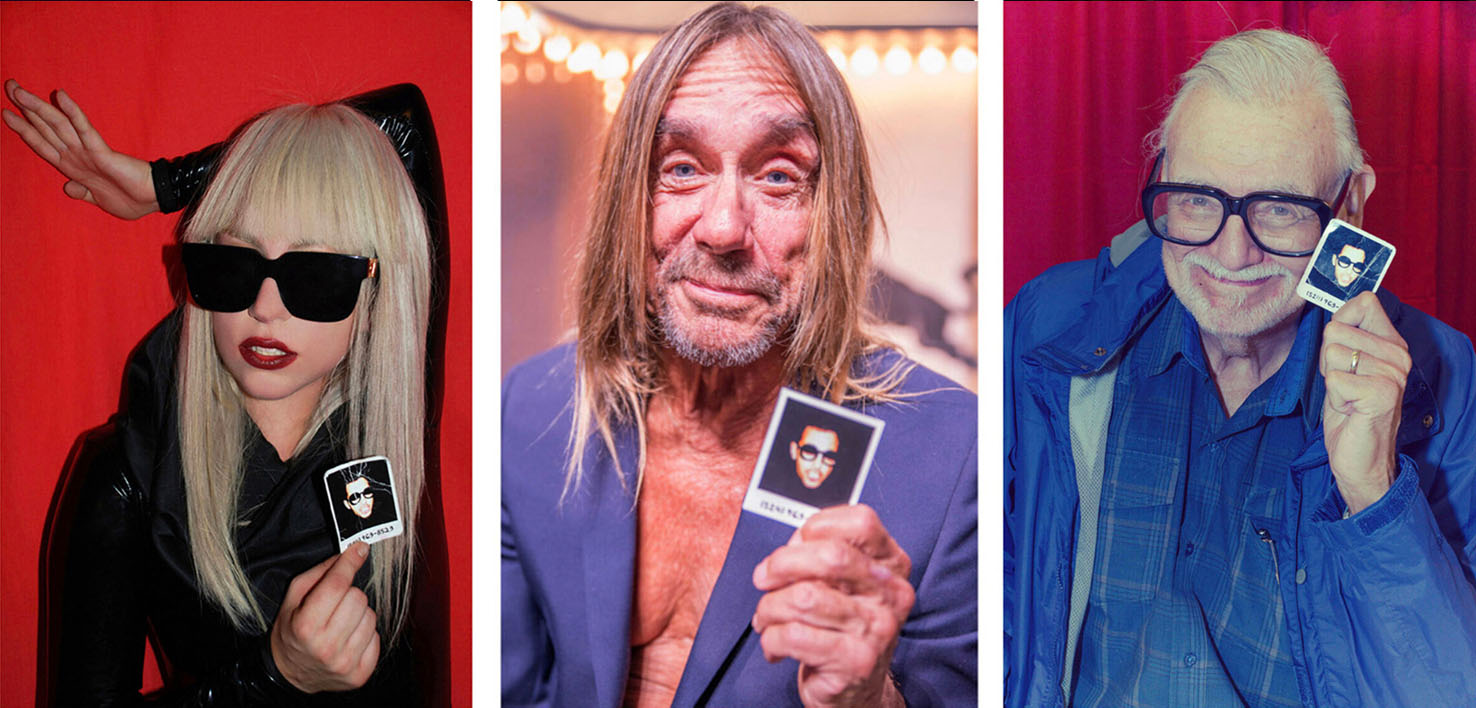
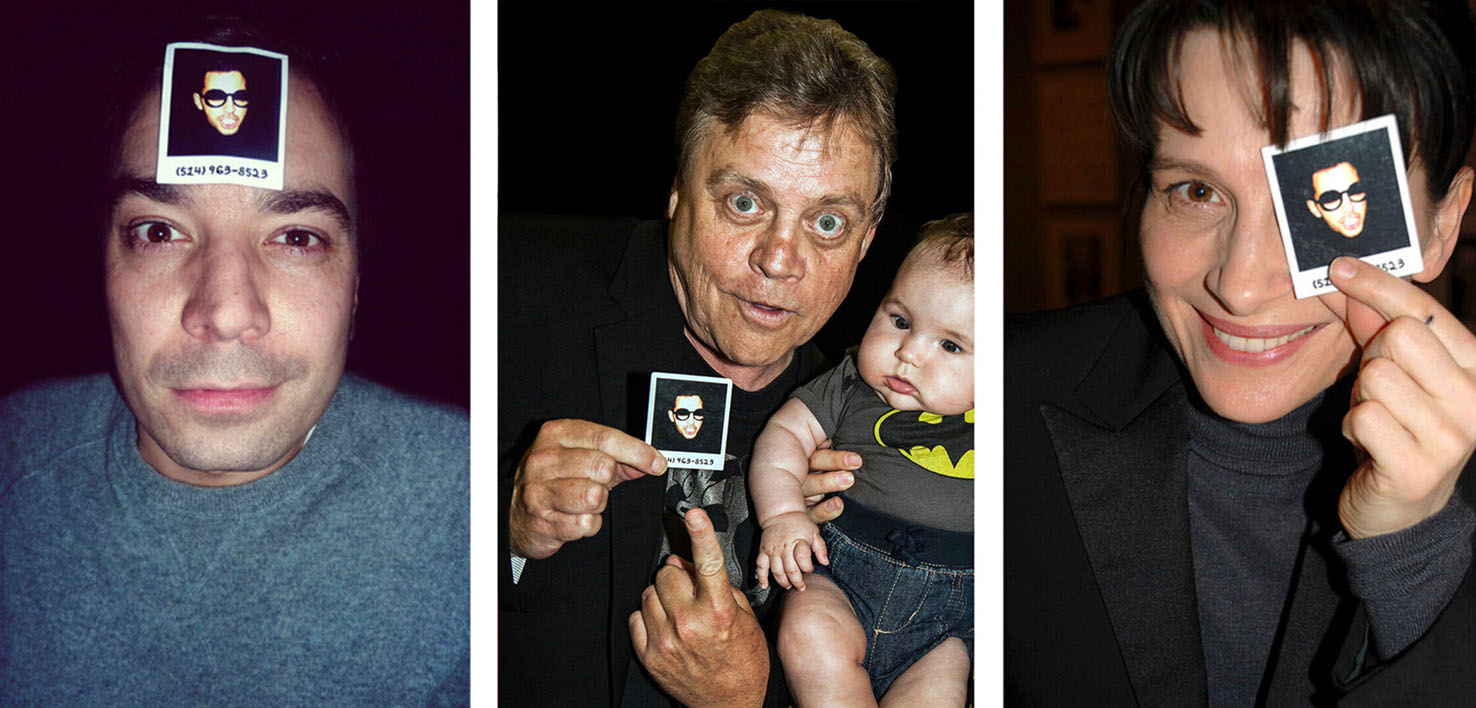
VA: I needed a business card, so I used a photo that my Gibran had taken of me wearing his Chanel glasses. It felt right. I cropped my face, added “514 963 VLAD” and a website, and printed it Polaroid-style to reflect my alter ego.
I first handed it out at a fashion event on 4 June 2008. Gibran got me into the VIP section, where I met Frédéric Metz, head of design at UQÀM. Known for his bluntness, he surprised me by approving it. I took a photo of him holding the card. From there, the card drew attention. Two weeks later, I photographed Lady Gaga holding it — a turning point that gave the project major visibility. What started as a spontaneous idea grew into a portrait series featuring icons like Jimmy Fallon, Spike Lee, Christopher Lloyd, Juliette Binoche, John Waters, and Iggy Pop — many of them childhood heroes.
AN: That was an incredible opportunity. Did this lead directly to professional work?
VA: Yes, but not in a straightforward manner. People would call me and ask, “What exactly do you do?” And I’d respond with, “How can I help you? What do you need?” That approach opened unexpected doors. I took those opportunities seriously and began assembling a team of talented individuals I called the Artistic Agitators — a kind of stable of creative talent, if you like. I would pitch ideas to potential clients or tap into my network to secure projects. Within a year and a half, I found myself producing an animated film for the Canadian government — despite having no prior experience in animation — and that same year, I flew to Shanghai with Canadian officials to shoot the official video of Canada’s participation at the World Expo 2010, all while celebrating my 30th birthday.
AN: You seem to embrace spontaneity. Did this continue in the following years?
VA: Absolutely. However, my perspective shifted in October 2010 when my mother passed away in Paris. I rushed to France, and as I entered the hospital, a ladybird landed on my arm. It stayed with me until I saw my father, uncle, sister, and the rest of my family — then it flew away.
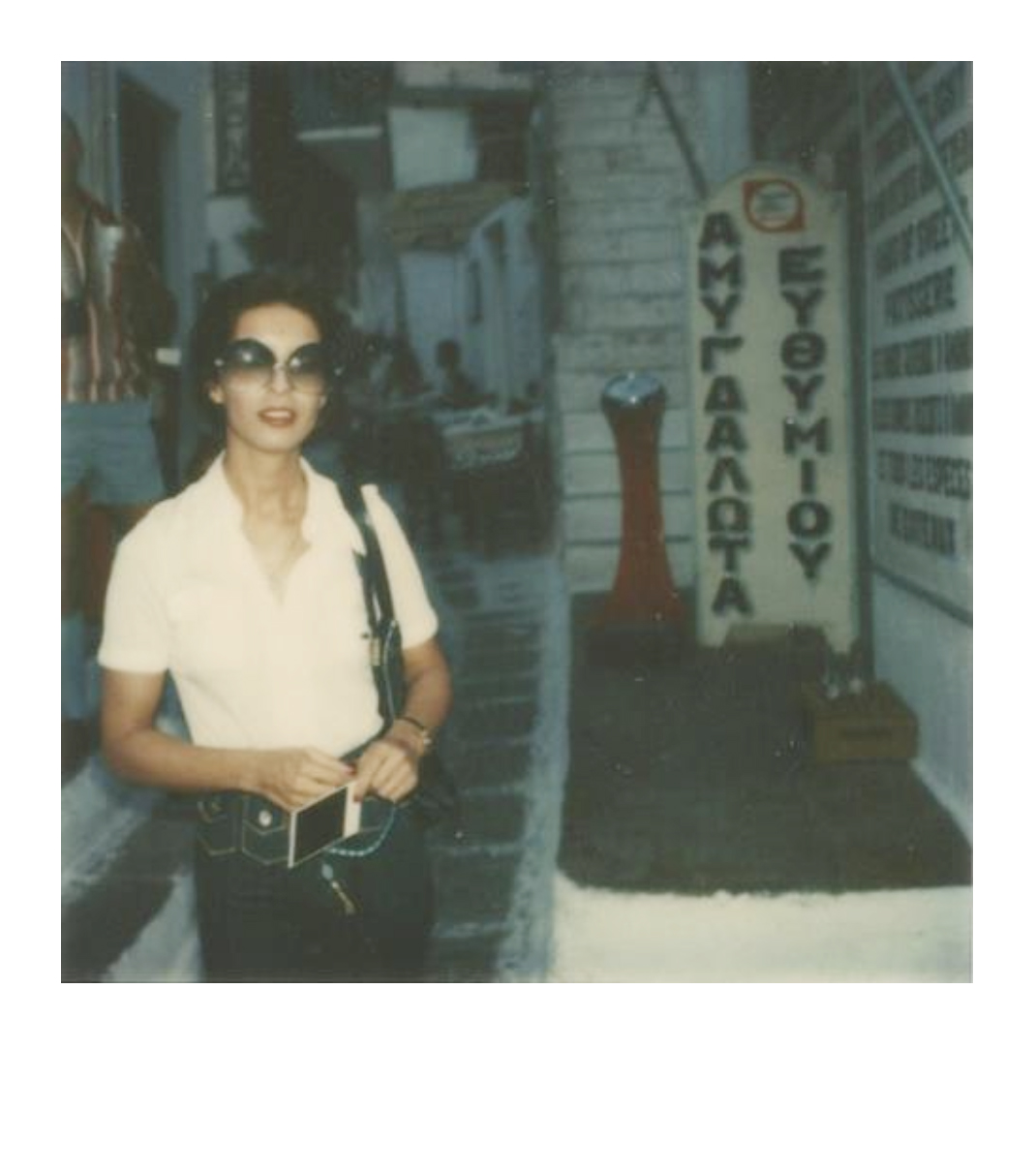
We returned to Beirut for the funeral. A few days later, I asked my father for family photographs and began scanning old Polaroids — wedding pictures, childhood memories. When I shared some of these images online, a friend noticed something uncanny: in one photograph, my mother was wearing similarly shaped glasses to the ones I wore in my business card portrait. Even more remarkably, my face from the card aligned almost perfectly with hers — and she was holding a Polaroid, mirroring the way people held my card in their portraits from the Elsfies series. That realisation deeply moved me. It felt like a sign — a quiet echo across time — reinforcing my belief in the interconnectedness of events.
AN: During this time, were you still working on photography projects?
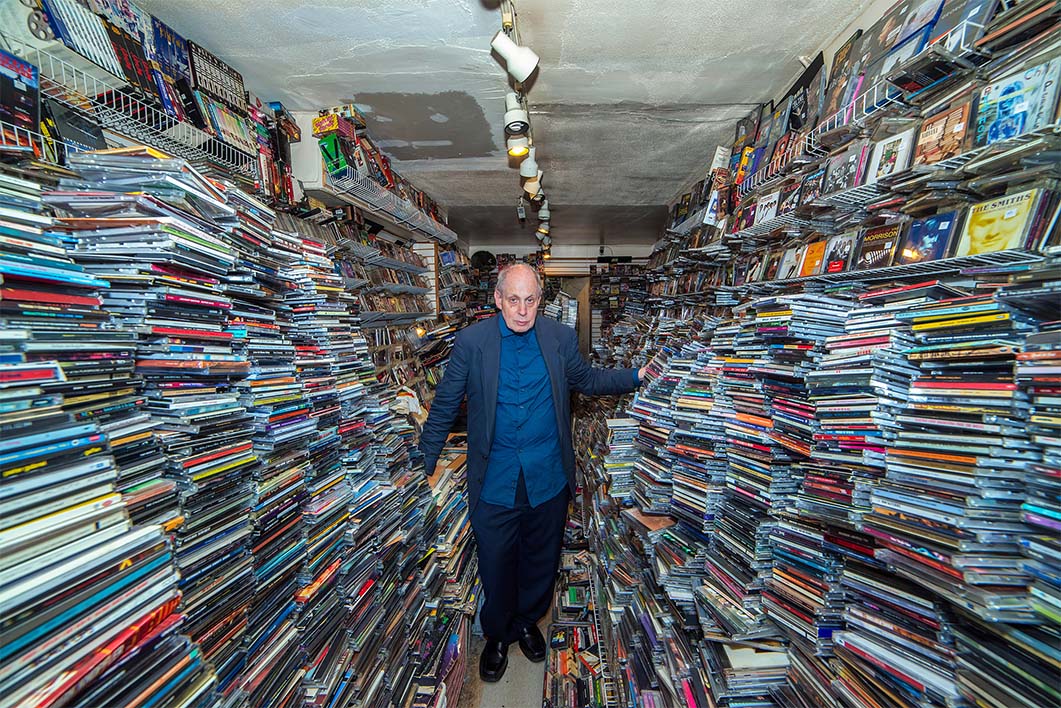
VA: Yes, one of my clients was responsible for organising Dîner en Blanc in both Montréal and New York. Though his budget was quite limited, I accepted the project primarily as an excuse to visit New York and purchase a camera lens. The day after the event, I was on the subway when I encountered a man, Jainul, whose portrait I decided to take. I later realised that this moment marked the beginning of my Guardians series, which became a defining project in my career.
AN: It is remarkable how seemingly small choices lead to major opportunities.
VA: Exactly. I didn’t realise it then, but saying yes to that small contract was the start of something much bigger. After that, I chose to exhibit my work in a very unconventional way. I convinced the team overseeing the redevelopment of Montréal’s main artery, Boulevard Saint-Laurent, to let me use the many vacant storefronts to display life-size prints — creating the illusion of presence in spaces that were slowly disappearing. The project quickly caught fire — soon, I was being interviewed by dozens of media outlets, and articles about my work began popping up everywhere.
AN: Your way of telling stories seems so cinematic.
VA: Thank you for noticing. Staying connected to my inner child and his passion for films has always been important to me. For me, it’s never about proving something to others. It’s about proving something to myself. I focus on impressing my nine-year-old self — not anyone else. That’s how I stay true to my work.
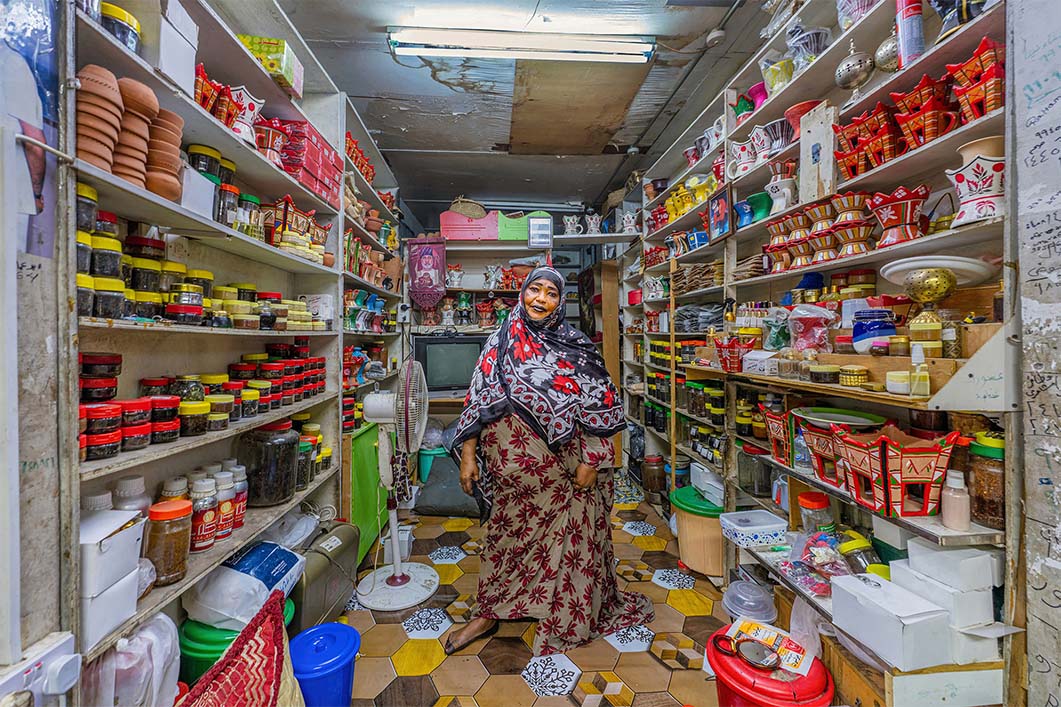
AN: Can you explain the concept behind The Guardians series?
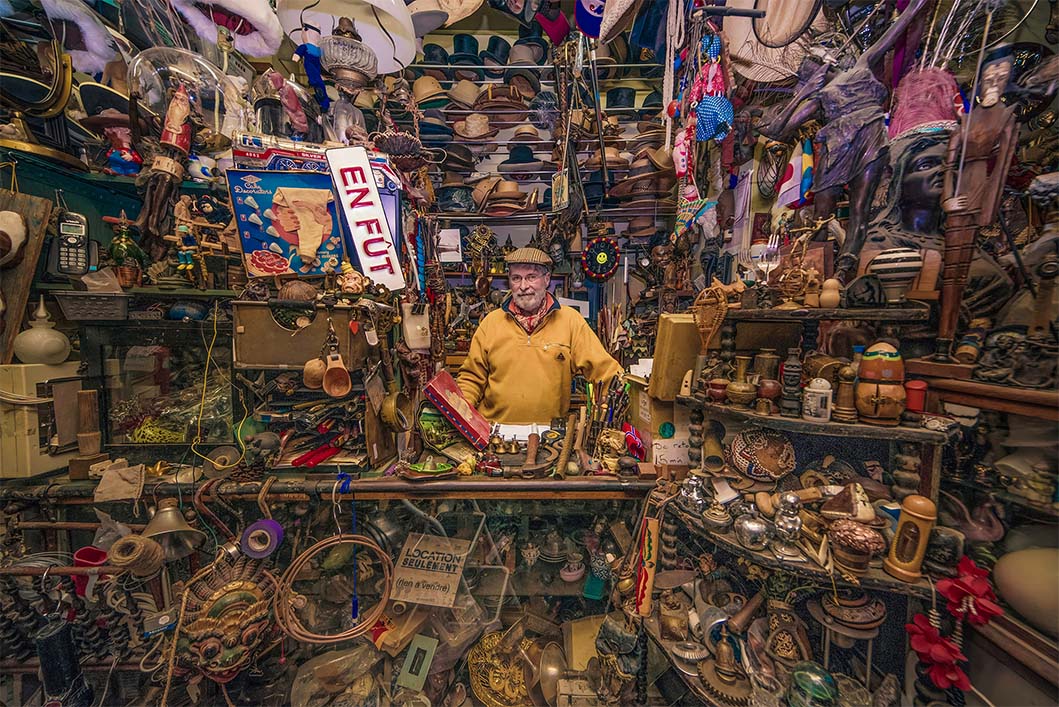
VA: The Guardians is a series dedicated to paying tribute to shopkeepers and artisans within their own environments — spaces I refer to as urban temples. Each portrait is captured using the same focal length, 14mm, which places the subject centrally within a visually dense space. This perspective amplifies their presence, making them appear majestic. It also allows the viewer to fully absorb the richness of their surroundings, highlighting not just the individual, but the deep significance of the world they inhabit.
AN: What role do The Guardians play in documenting these individuals’ stories?
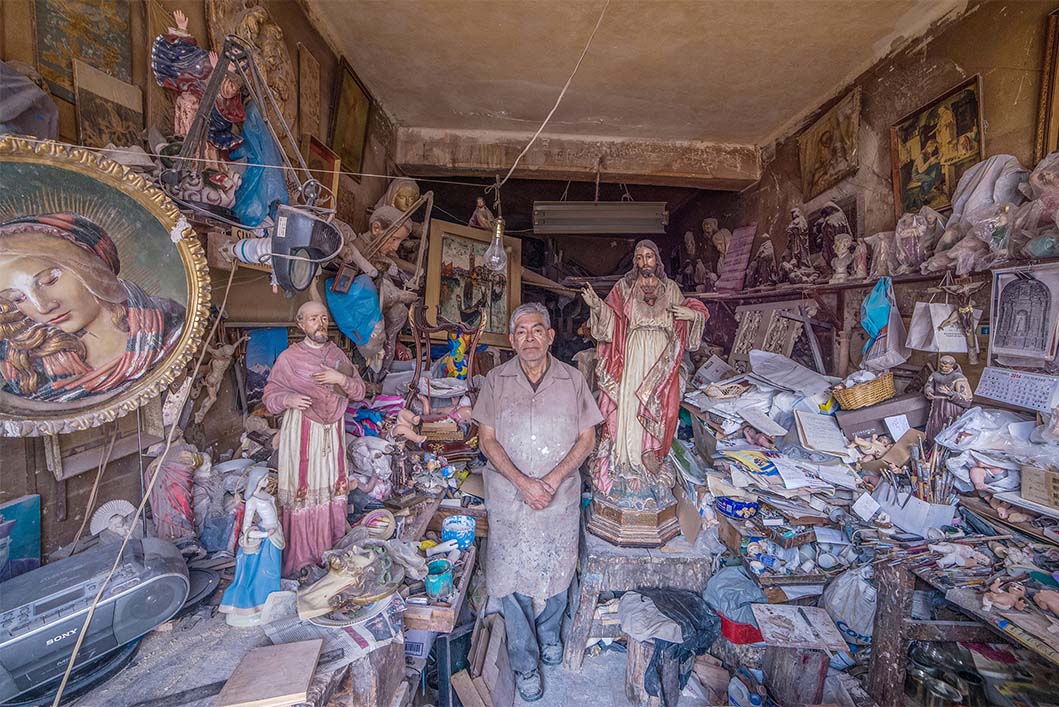
VA: Initially, I didn’t start The Guardians with the goal of gaining widespread attention. I began the project simply because I wanted to document and pay tribute to these individuals. But as people began engaging with the series, it took on a larger meaning — becoming a way to preserve the stories of those who are often overlooked, whose shops and spaces are disappearing one after the other.
In a way, I was doing my best to give eternal life to the urban temples of my childhood. Over time, the project evolved into large-scale outdoor and indoor exhibitions, attracting hundreds of thousands of visitors, and was featured in major institutions such as the Institut du Monde Arabe and the National Museum of Saudi Arabia.
Ultimately, it has become a vehicle for honouring and documenting their legacies. In the spring of 2019, I published a book sharing the stories and portraits of 45 Guardians — offering another lasting tribute to these everyday heroes.
AN: What makes the stories in The Guardians so significant to you?
VA: The stories in The Guardians are essential to preserving the memory of people who often go unnoticed in our society. We live in a digital age where everything moves quickly, and it’s easy to forget the value of these spaces and the individuals who bring them to life. These small businesses — and the lives behind them — represent something grounded, human, and enduring in a world increasingly consumed by fame and fleeting trends. They remind us of what’s real, of what truly matters.
AN: How long does it take to set up these kinds of shots? They’re already in their environment, so what’s your approach?
VA: I usually find the spot first. I spend the day wandering, looking for what I call the right “temple” — a space that speaks to me both visually and emotionally. Once I find it, I introduce myself and explain what I’m doing. I tell them I’m there to pay tribute to shopkeepers and artisans, and I show examples of my work to build trust.
Most of the time, they’re honoured and happy to participate. But I never really ask them to “pose.” I prefer to create an atmosphere where they can just be themselves. I might guide them gently — suggest they stay where the light falls best, or turn slightly towards a certain angle — but never in a way that feels staged. I’m after something honest, something quietly powerful. It’s more about presence than performance.
I really love the idea of two strangers looking at each other — not knowing anything about one another — and still building a connection. It’s important to me that the audience can identify with the gaze of the Guardian. That look becomes a bridge, a silent invitation to witness their story.
AN: Did your personal life influence your work?
VA: Absolutely. My personal life has deeply shaped my artistic journey. Key relationships — especially with women, like my mother or former partners — have had a profound impact on my creative path, often in ways I didn’t anticipate.
Moments of rupture, transformation, and connection have consistently sparked new projects: from my early exploration of photography after leaving home, to viral portraits inspired by a relationship, to long-term series like Elsfies, The Guardians and Pilgrimage, both born from deeply emotional turning points. My work is a reflection of the personal — woven with memory, admiration, grief, and care.
AN: Can you tell us about your series, Pilgrimage?
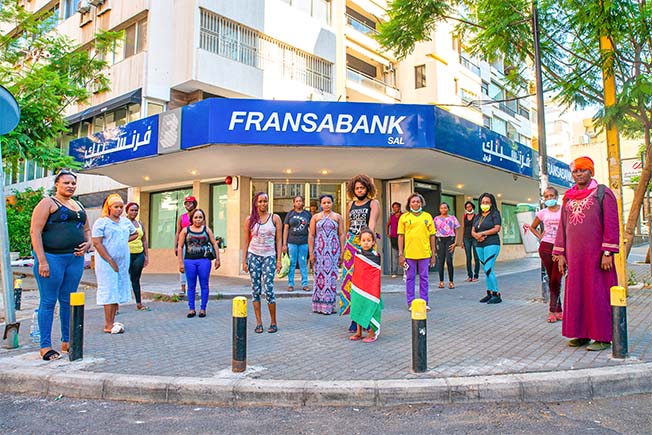
VA: Pilgrimage started in 2019 after I was going through a breakup that affected me. I was in Paris, feeling uncertain about what to do next, and I accepted the invitation from a close friend that led me to travel to Central Asia with one of my best friends.
I packed light, very light – a tiny backpack fitted for a simple capsule closet and my camera. I’m not sure what compelled me to stop a group of strangers and ask them to pose for me by the reservoirs in Toktogul, Kyrgyzstan. But once again, I suspect it was a mix of fresh perspective and my ongoing fascination with cinematic compositions.
A few months later, I flew to Southeast Asia on a three-month solo trip. While in Thailand, a few days before heading to a Vipassana retreat, a form of meditation that focusses on self-awareness and insight, unexpected connections with people I knew occurred. Serendipity was welcoming me. As COVID-19 spread, I continued my travels, capturing unposed portraits of everyone I met. Some behind the scenes videos were filmed. I now use them to show my creative process and to contradict people who believe my pictures are staged or AI-generated. Despite the digital tools available, the photos were never staged.
AN: I noticed you are wearing a bracelet with an inscription that reads ‘Serendipity’ Does it relate to this experience?
VA: I acquired this bracelet in Bali in 2020. It serves as a reminder that everything is connected. The word engraved on it is Serendipity — a beautiful term that refers to the occurrence of meaningful coincidences or fortunate discoveries made by chance. I truly believe in that idea, and I’ve been connecting the dots for as long as I can remember.
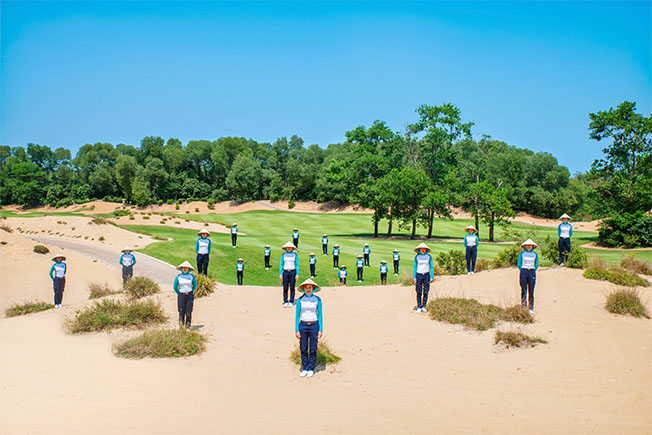
AN: So, these portraits, this series — did they take place in different countries?
VA: Yes, they did. I went on to photograph people in Kyrgyzstan, Uzbekistan, Indonesia, Vietnam, Thailand, Saudi Arabia, Lebanon, France — to name just a few. I captured local people from all walks of life, including police officers, army personnel, women, and children. The series grew organically, evolving with each encounter.
It became a deeply meaningful experience — my Pilgrimage. I’ve always believed that everything happens for a better reason, and there was something profound about this project taking shape just as the world was shutting down. While borders were closing, my images were quietly documenting the opposite — connection, gathering, and a sense of unity across cultures.
AN: Tell us about your current work.
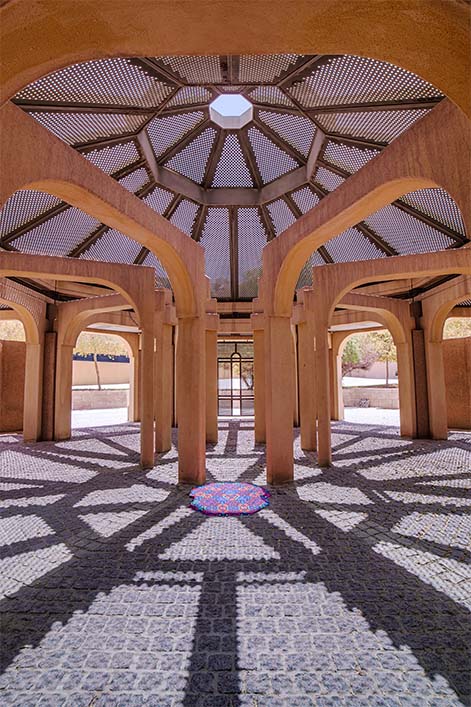
VA: In 2021, my father and I were hospitalised in critical condition. I survived; he didn’t. That experience sparked Parenthesis, a deeply personal project born from grief and a desire to preserve memory. Using over 150 pages of his writings, I began piecing together our family history — tracing nearly a century through stories, images, and silences.
Each chapter honours a late family member and explores themes of memory, loss, and belonging — from the Golden Age of Lebanon to the civil war. My work is driven by a need to safeguard disappearing worlds and question what remains when no one is left to remember.
Last summer, I returned to Saudi Arabia after 42 years for an exhibition and residency. I dedicated a new piece to my late mother, Mona — transforming light, time, and her wardrobe into an installation that reflects on absence, memory, and the traces we leave behind.
About Vladimir Antaki
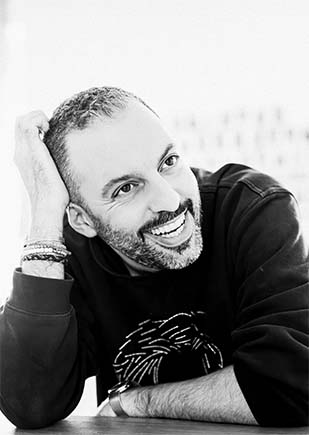
Born in Saudi Arabia to Lebanese parents and raised between France and Canada, Vladimir Antaki is a visual artist whose work is deeply rooted in nostalgia, memory, identity, and cultural heritage. While his practice is primarily photography-based, it also extends beyond the photographic medium to include large-scale immersive installations. Blending documentary, portraiture, and cultural exploration, Antaki is driven by a profound commitment to storytelling. He captures the essence of his subjects with sensitivity and nuance, often focusing on everyday heroes. His notable series, such as The Guardians and Pilgrimage, reflect his unique approach to visual narrative, shaped by personal connections and a longing to preserve cultural memory. Through his lens, he seeks to protect the fleeting, turning ordinary lives and overlooked spaces into lasting, meaningful tributes.