The Venice Biennale returns for its 61st edition under the title In Minor Keys, a curatorial framework conceived by Koyo Kouoh. Opening to the public from 9 May to 22 November 2026, with previews held in the preceding days, the exhibitions unfold across the Giardini, the Arsenale and multiple sites throughout the city. Conceived as a meditation on quieter gestures and sustained attention, the biennale privileges nuance over spectacle, proposing a more introspective rhythm of encounter. Within this landscape, the Arab pavilions articulate distinct yet resonant positions, foregrounding memory, craft, sound, and collective experience, each offering an entry point into the broader conversation shaped by Kouoh’s vision.
Egypt – Silence Pavilion: Between the Tangible and the Intangible
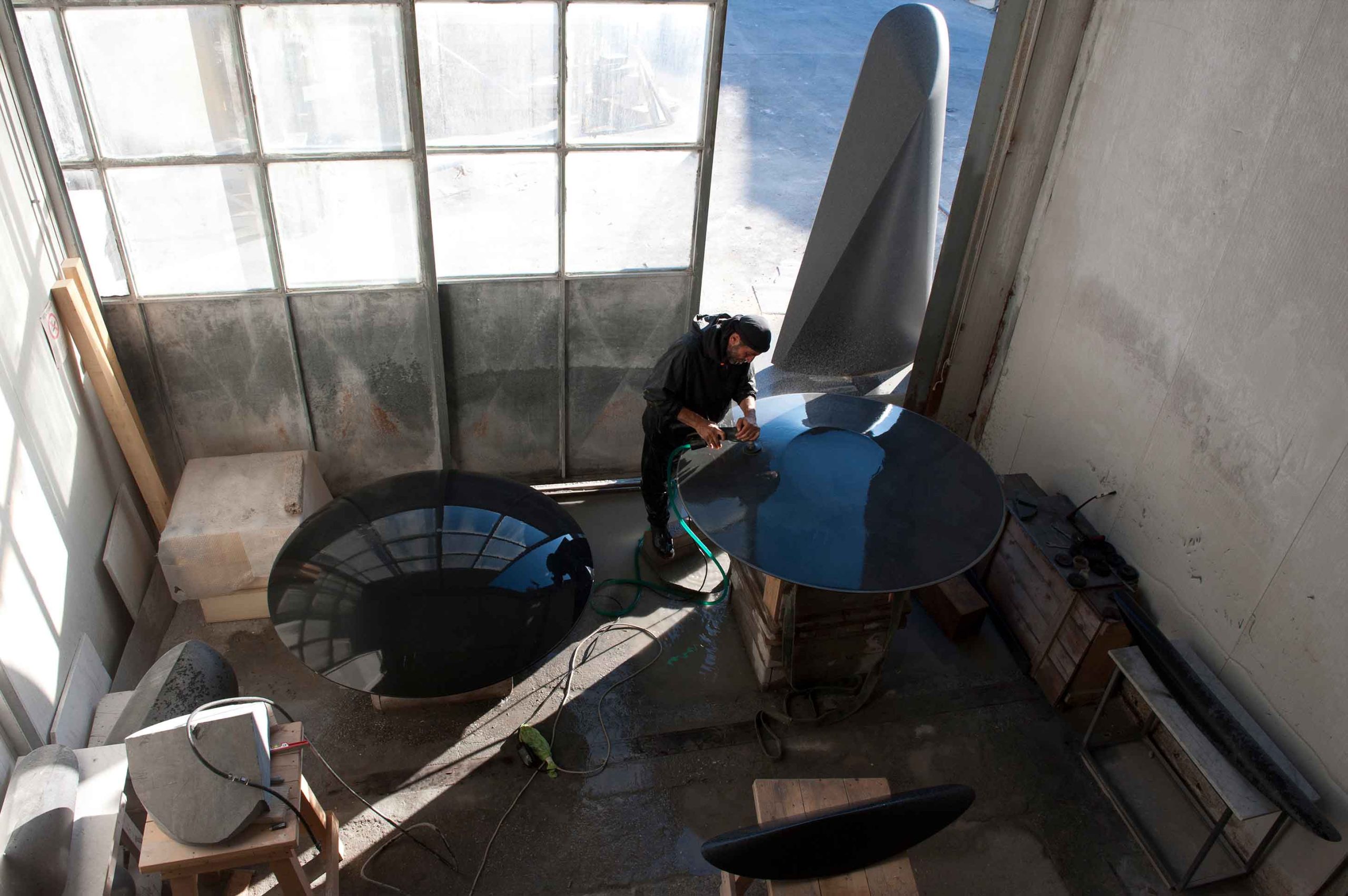
At the Giardini, Armen Agop presents a restrained and contemplative body of work under the title Silence Pavilion: Between the Tangible and the Intangible. Both artist and curator, Agop shapes the pavilion as a space of introspection, where sculpture and minimal gestures invite a recalibration of perception. Drawing on decades of practice, his work distils form to its essential elements – line, surface, mass -foregrounding duration and stillness over immediacy. Rooted in a dialogue between ancient Egyptian material histories and contemporary abstraction, the presentation aligns closely with Kouoh’s curatorial premise, proposing quiet intensity as a form of resistance. Within this environment, identity appears not as fixed, but as layered and cumulative, shaped through memory, migration and material presence.
Lebanon — Don’t Get Me Wrong
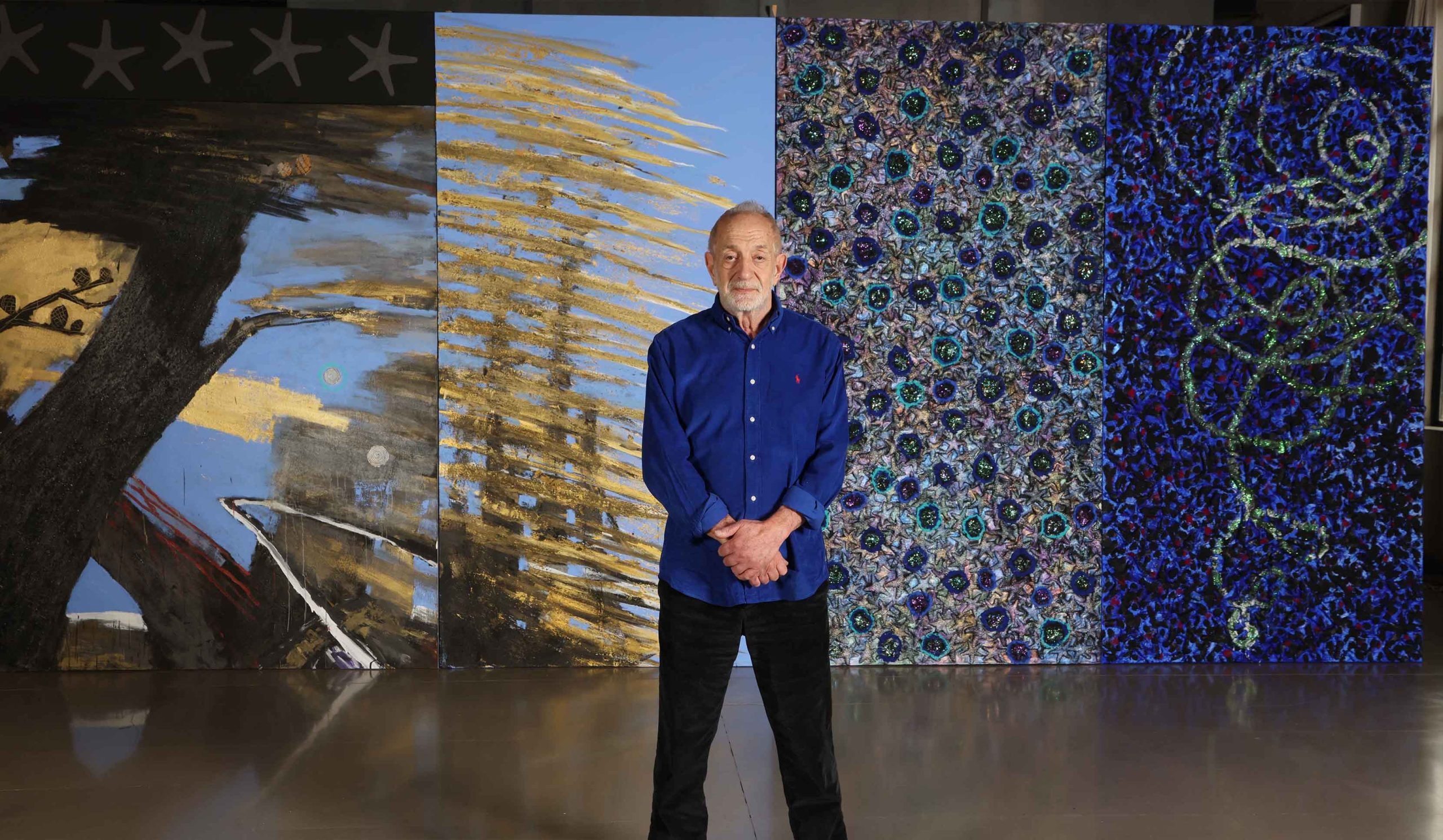
Presented at the Arsenale, Don’t Get Me Wrong by Nabil Nahas, curated by Nada Ghandour, unfolds as a monumental, immersive installation. Spanning a continuous sequence of large-scale painted panels, the work surrounds visitors in a shifting visual field where geometry, figuration and organic motifs converge. Nahas draws from a wide range of references such as Islamic patterning, Western abstraction, and natural systems, to construct a visual language that resists linear reading. Trees, spirals, and fractal structures emerge as recurring forms, suggesting a cosmology where the human, the natural and the metaphysical intersect. Rather than presenting a singular narrative, the pavilion operates as an experiential landscape, reflecting Lebanon’s plural and evolving identity through a spatial and sensory encounter.
Morocco — Asǝṭṭa
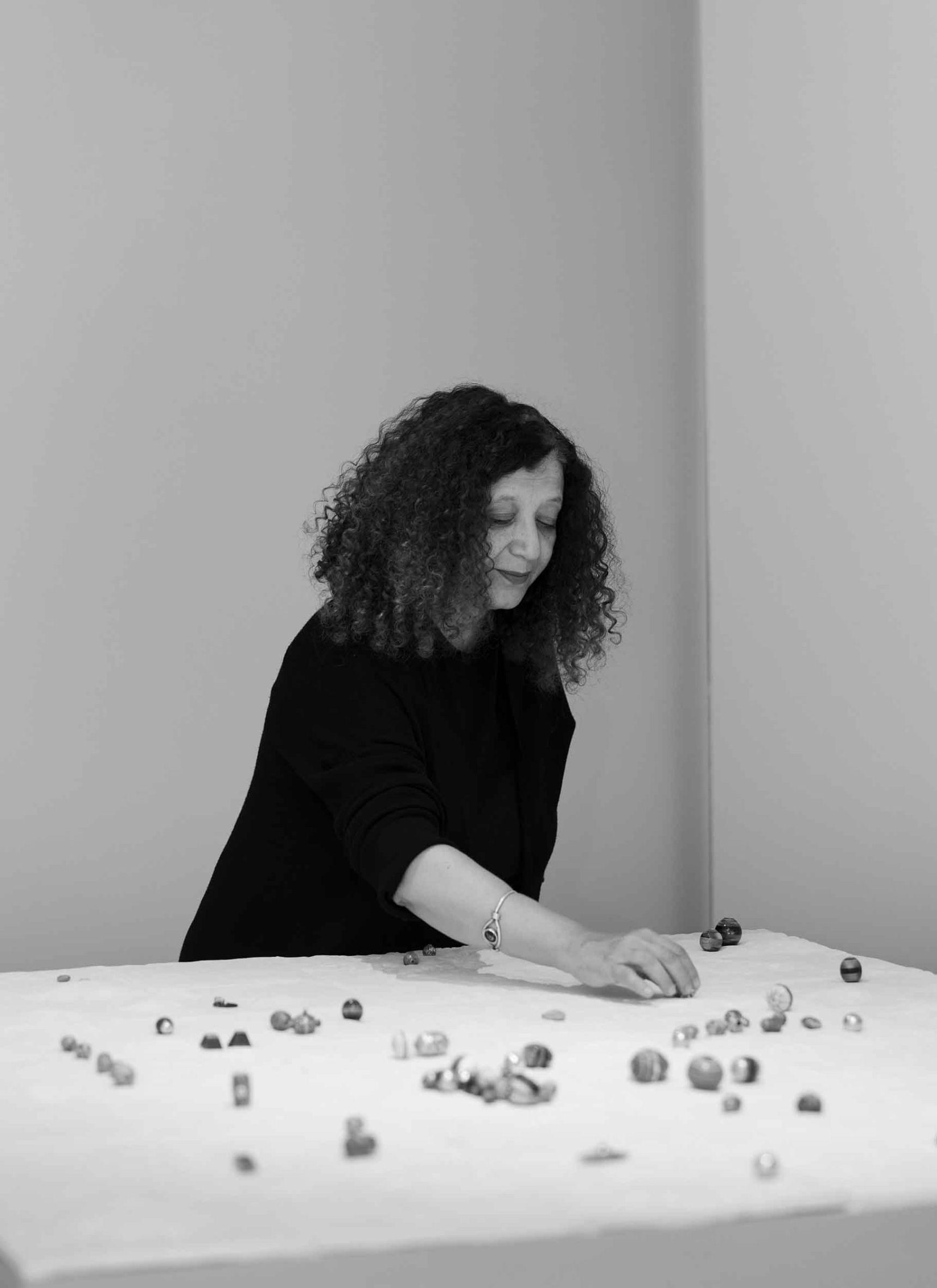
Marking the country’s first national pavilion at the Biennale, Morocco presents Asǝṭṭa at the Arsenale, a large-scale installation by Amina Agueznay, curated by Meriem Berrada. Through the language of weaving, the project explores the notion of thresholds; spaces of passage between interior and exterior, memory and presence. Drawing on vernacular craft traditions, Agueznay collaborates with artisans across Morocco, embedding collective knowledge within the structure of the work. The installation unfolds as a tactile environment, where braided materials and suspended forms evoke both architecture and gesture. As Berrada notes, “a living archaeology of gestures” guides the project, positioning craft not as heritage alone, but as an active and evolving mode of thought. The pavilion aligns with In Minor Keys through its attention to subtle transmissions and embodied knowledge.
Oman — Zīnah (Adornment)
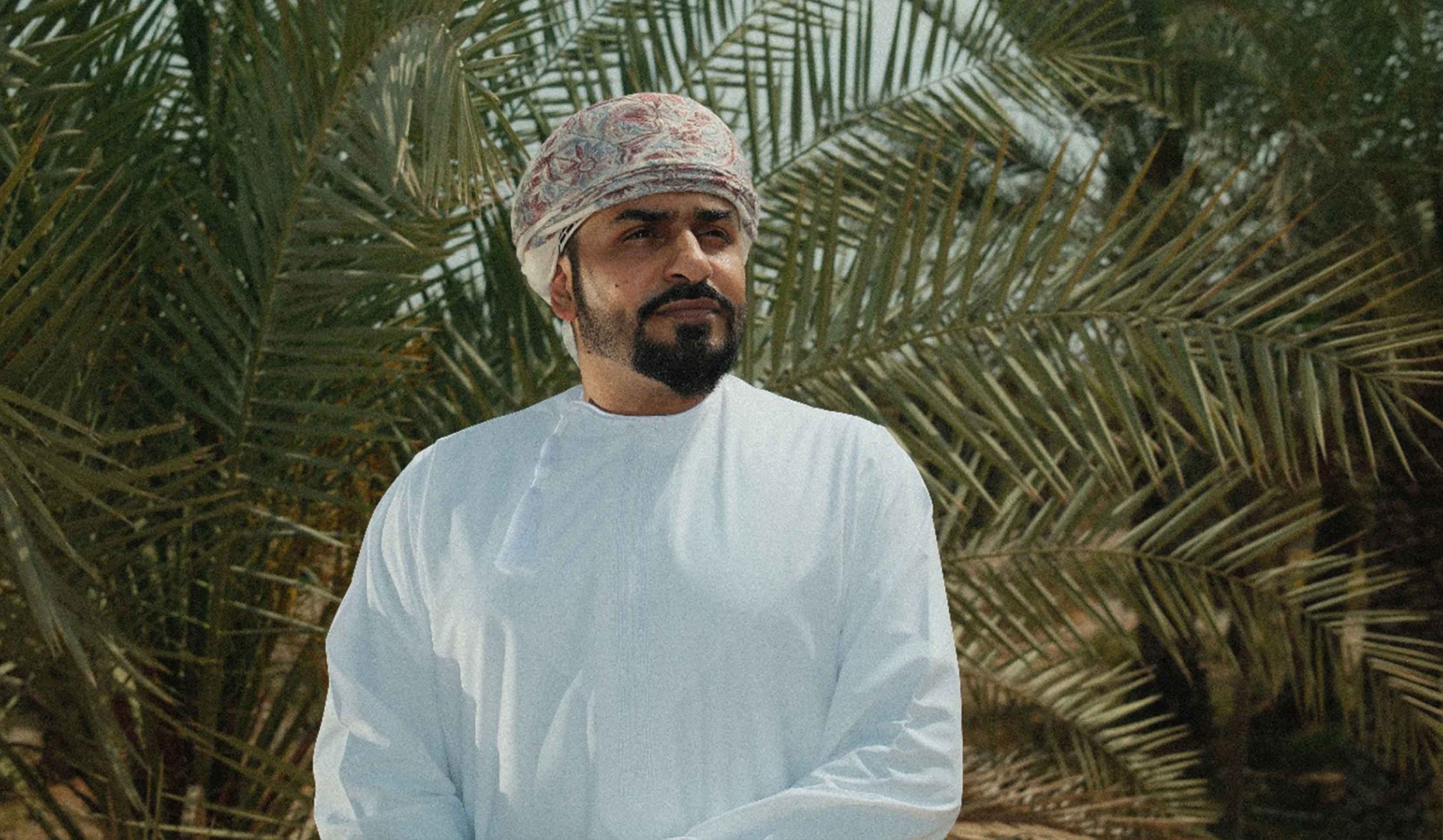
Also at the Arsenale, Haitham Al Busafi presents Zīnah (Adornment), a participatory installation that transforms a traditional form of Omani horse adornment into an immersive environment. Combining sand, suspended silver elements and sound, the work invites visitors to enter and activate the space through movement. Each step reshapes the terrain and generates subtle sonic responses, turning the audience into co-authors of the piece. Drawing on cultural practices that emphasise reciprocity between human and animal, the installation proposes adornment as a shared and ethical act. Over time, the work evolves through accumulated traces like footprints, sounds, and shifting material relations, foregrounding process over permanence.
Qatar — untitled 2026 (a gathering of remarkable people)
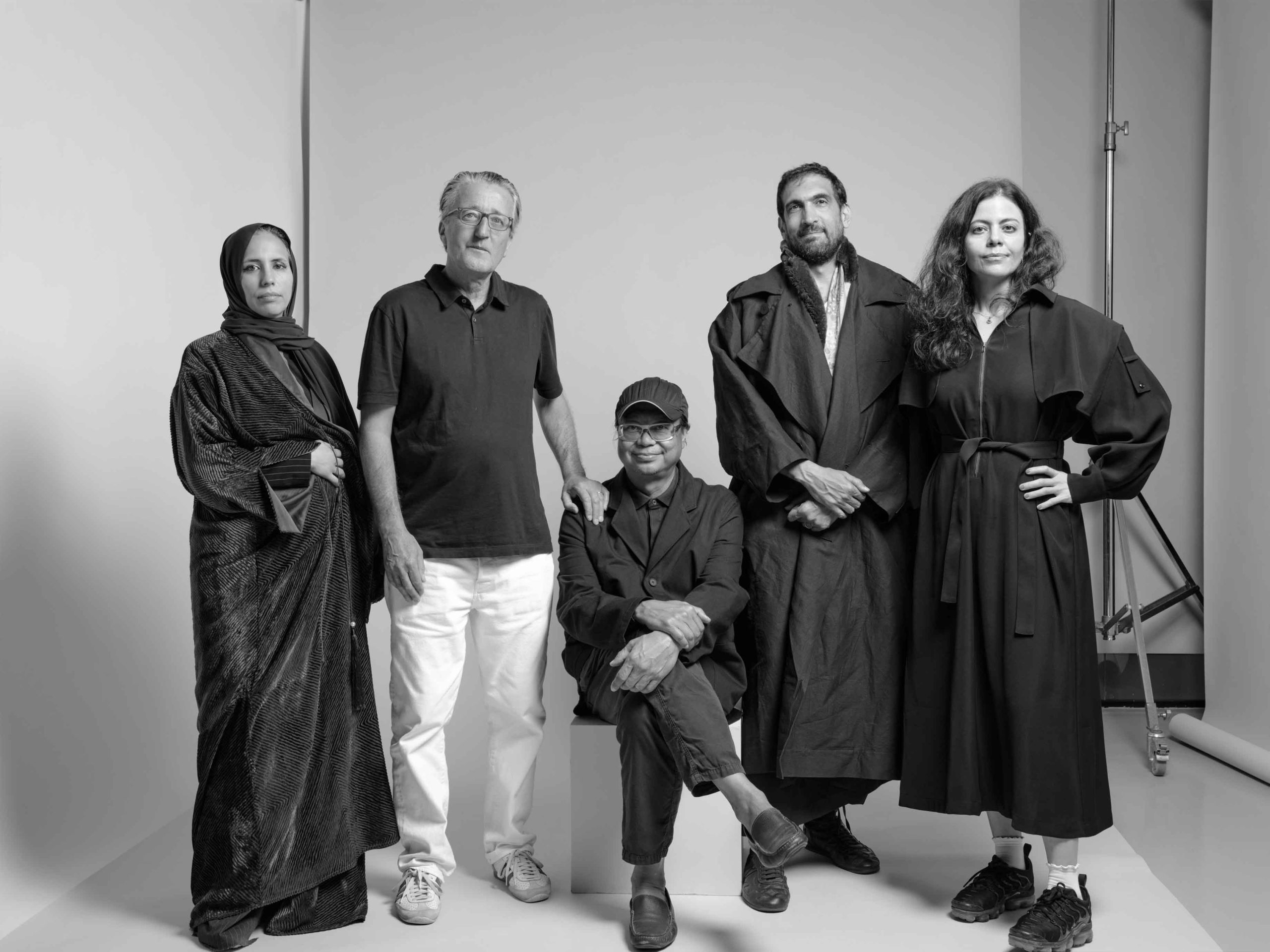
At the Giardini, the Qatar Pavilion unfolds as a site of gathering rather than a fixed exhibition. Conceived by Rirkrit Tiravanija and co-curated by Tom Eccles and Ruba Katrib, untitled 2026 (a gathering of remarkable people) brings together artists including Sophia Al-Maria, Tarek Atoui, and Alia Farid, alongside culinary interventions by Fadi Kattan. The project takes shape within a tent-like structure on the future site of the permanent Qatar Pavilion, hosting performances, sound works, film, and shared meals, where cultural exchange unfolds through lived experience. Developed by Qatar Museums as part of the wider Rubaiya Qatar initiative, the presentation extends an ongoing commitment to fostering dialogue across disciplines and geographies, inspired by Tiravanija’s longstanding interest in relational encounters. Here, the pavilion becomes an evolving environment, one that privileges encounter, participation, and the act of coming together as both method and meaning.
Saudi Arabia — May your tears never dry, you who weep over stones
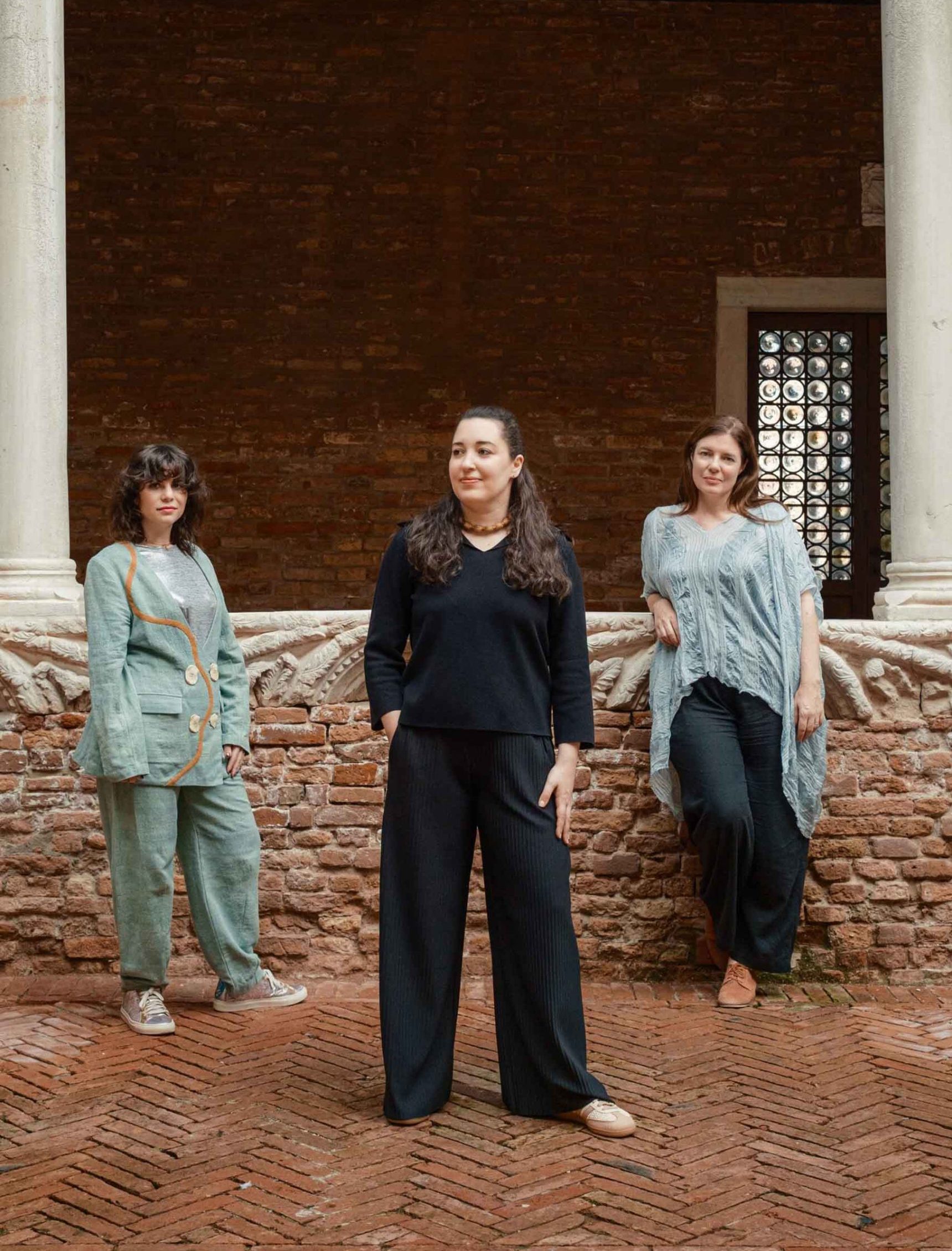
At the Arsenale, Dana Awartani, curated by Antonia Carver, presents a work grounded in the material and symbolic languages of Islamic art. Drawing on traditional craft practices, Awartani’s installation explores cycles of preservation and loss, foregrounding the fragility of cultural memory.
Working closely with artisans, the project emphasises collective knowledge and intergenerational transmission. As the artist notes, “my practice is rooted in foregrounding Middle Eastern cultural histories through the revival of craft,” positioning the pavilion as both a site of remembrance and renewal. The work resonates with Kouoh’s vision through its emphasis on care, continuity and the quiet labour embedded in cultural production.
Syria — The Tower Tomb of Palmyra
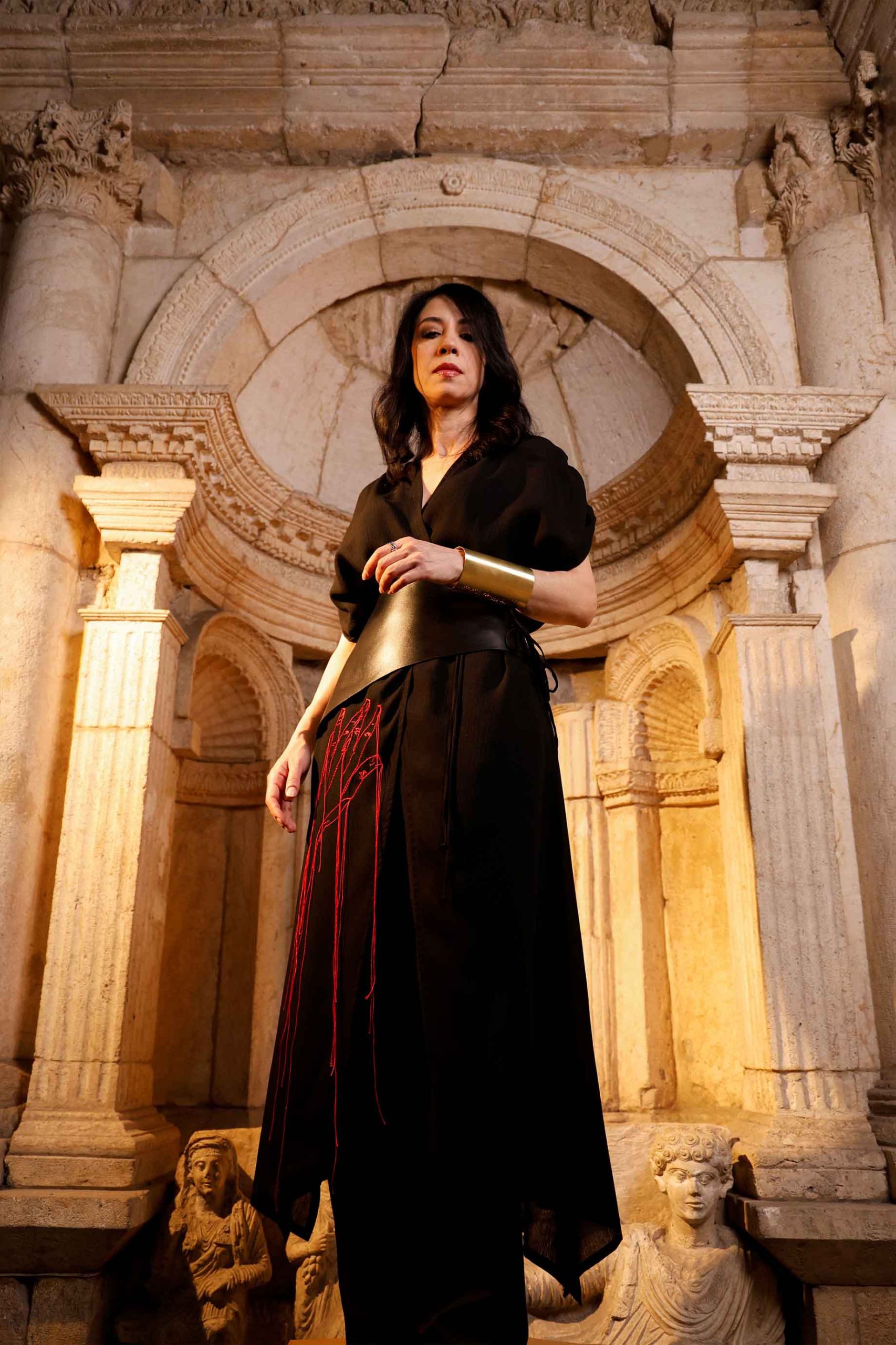
Presented at IUAV Venice Cotonificio, Syria’s pavilion features The Tower Tomb of Palmyra by Sara Shamma, curated by Yuko Hasegawa. Combining painting, architecture, sound and scent, the installation reconstructs the spatial memory of Palmyra’s funerary towers – structures destroyed during the Syrian war. The work functions as both memorial and proposition, addressing cultural loss while advocating for restitution. Marking a shift from previous group presentations, this edition centres a single artist, offering a focused reflection on heritage and resilience. As Shamma states, the project seeks to “honour Syria’s cultural heritage… not only as loss, but as a message of hope,” situating the pavilion within a broader discourse on memory and reconstruction. This pavilion signals a new chapter for Syria’s presence on the global cultural stage.
United Arab Emirates — Washwasha
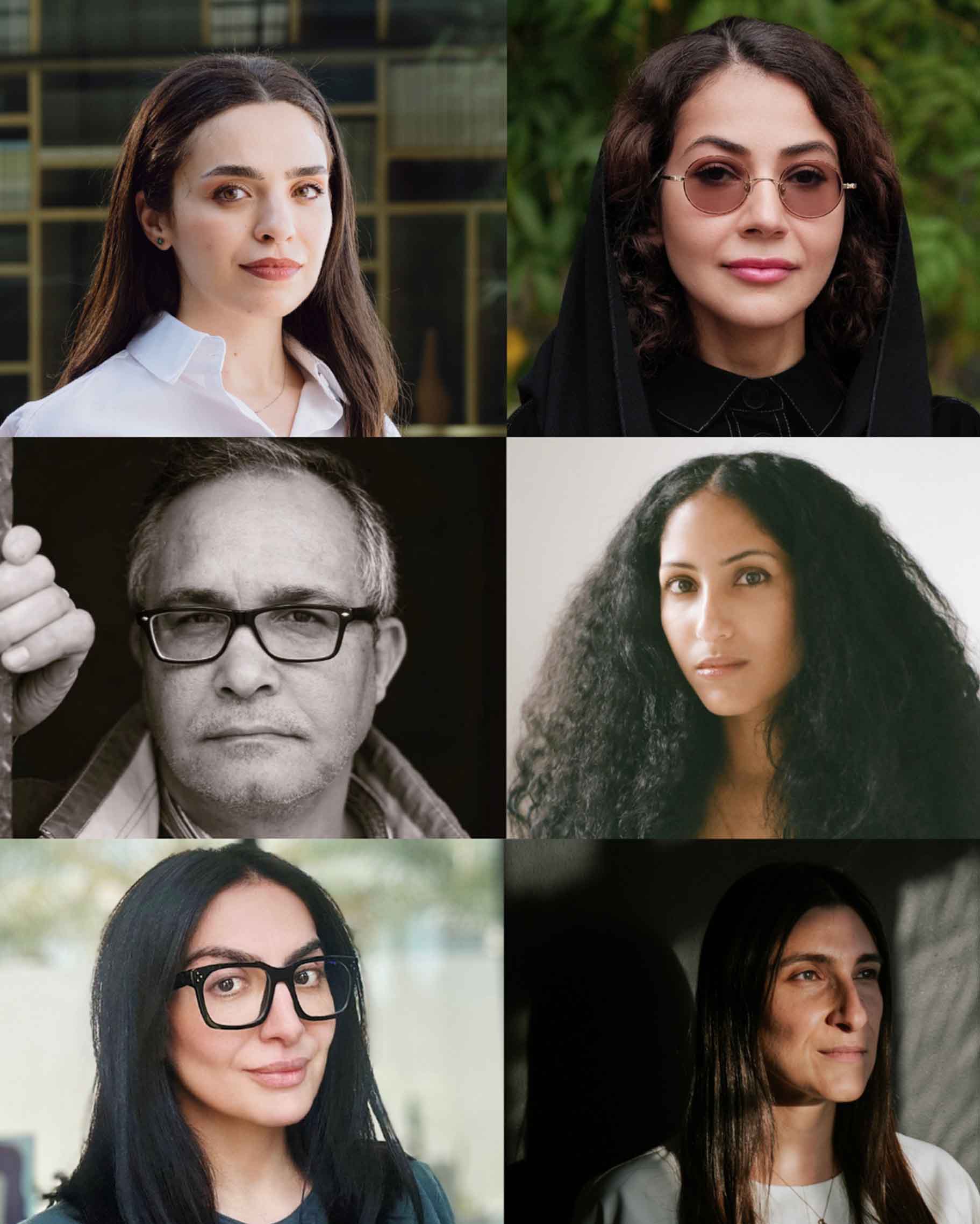
At the Arsenale, the UAE presents Washwasha, a group exhibition curated by Bana Kattan, bringing together artists including Farah Al Qasimi and Lamya Gargash. Translating loosely as “whispering,” the exhibition explores sound as a carrier of memory, migration and transformation. Structured as a sequence of acoustic environments, the pavilion guides visitors through varying intensities of listening – from intimate, near-silent encounters to layered sonic fields. Drawing on oral traditions, contemporary media and everyday soundscapes, the project examines how voices circulate within rapidly changing social and technological contexts. Here, listening emerges as both method and metaphor, reflecting the UAE’s complex, transnational cultural fabric.
Together, these pavilions trace a shared attentiveness to subtlety, process and lived experience, echoing Kouoh’s call for practices that unfold not through spectacle, but through sustained and resonant engagement.