UNITED ARAB EMIRATES
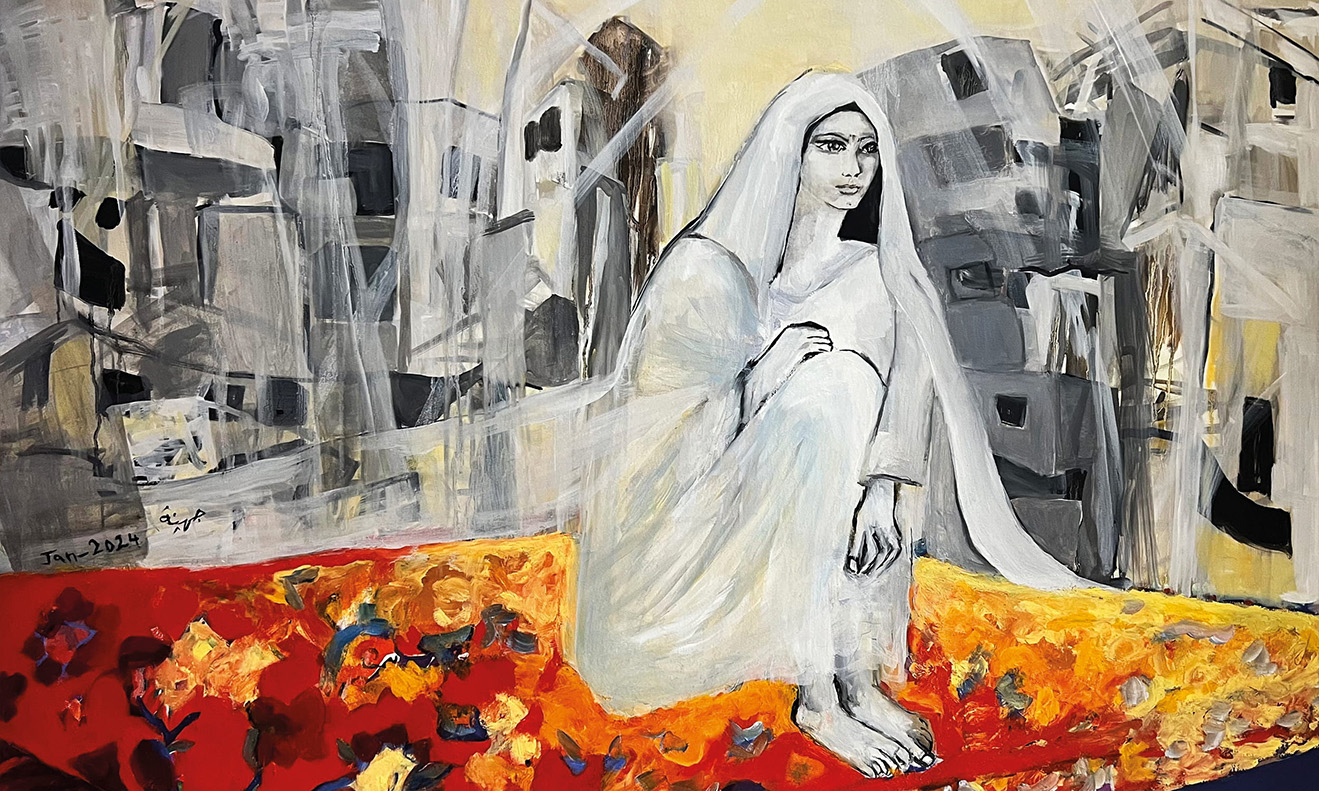
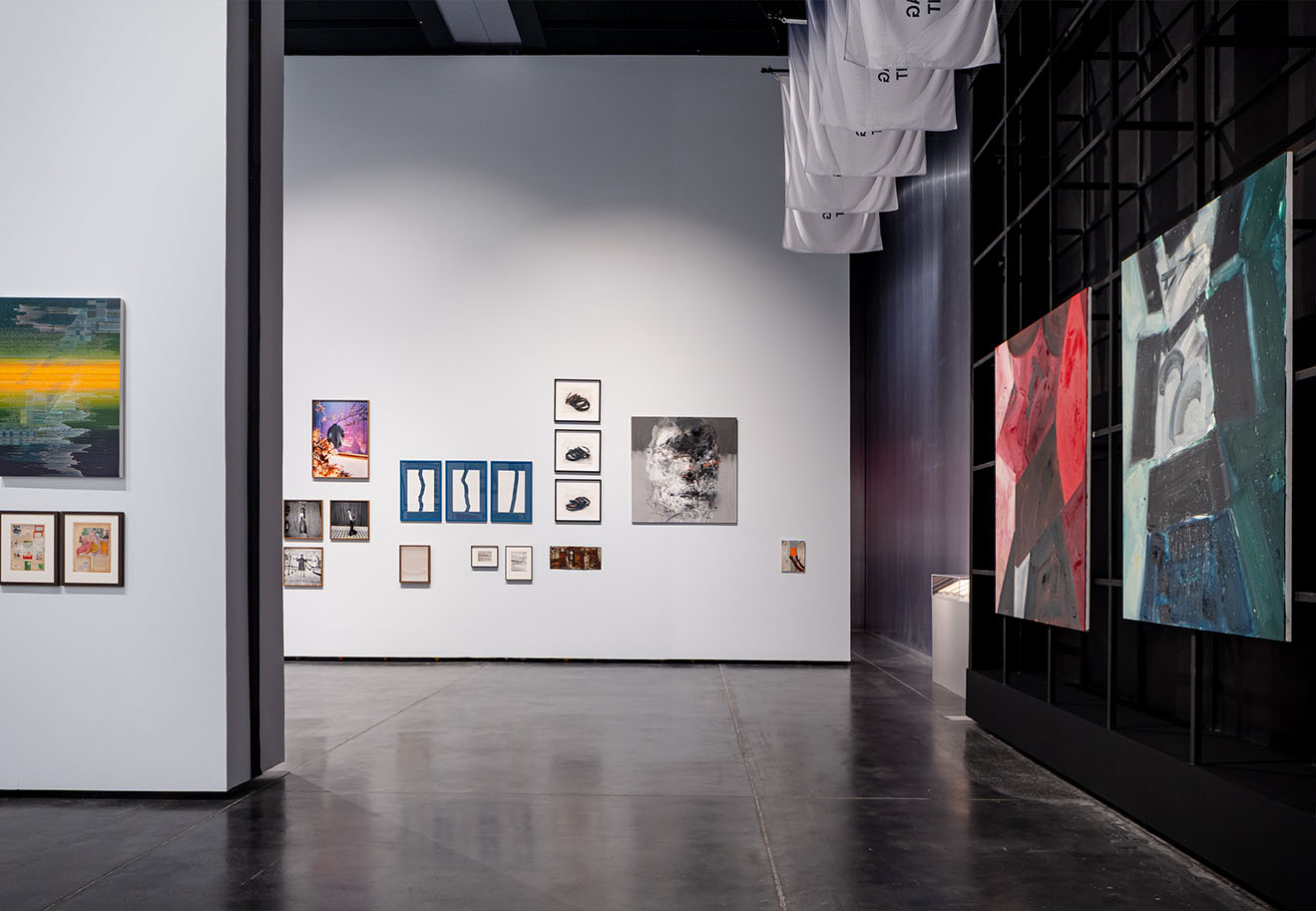
At Concrete, Alserkal Avenue (open 25 Apr–early May 2026), Déjà Vu unfolds as a large-scale, multi-gallery collaboration shaped by a shared moment of urgency. Bringing together over 50 artists across 20 galleries, the exhibition foregrounds collective response as both method and necessity. Conceived by Alserkal and curated by Kevin Jones, Nada Raza, and Zaina Zaarour in dialogue with participating galleries, the project draws from Raed Yassin’s Déjà Vu (2016) to examine cycles of recurrence and rupture. Structured across three thematic strands – historical absurdity, the uncanny, and linguistic slippage – the exhibition considers how memory falters, repeats, and reconstitutes itself amid ongoing geopolitical tension. Works by artists including Samira Abbassy, Nabil Anani, Larissa Sansour, Mithu Sen, and Rand Abdul Jabbar, among others, move between figuration, abstraction, and conceptual strategies, tracing how meaning becomes unstable through repetition. Here, collaboration operates not only as a framework, but as a condition through which artistic and commercial resilience are reimagined.
At Ishara Art Foundation, Urdu Worlds has been extended until 13 June 2026, offering the UAE’s first exhibition dedicated to the Urdu language. Curated by Hammad Nasar, the presentation brings into dialogue the practices of Ali Kazim and Zarina, tracing how language shapes interior and visual worlds. Meanwhile, From the Perspective of Language at The Third Line continues until 31 May, marking Sara’s fourth solo exhibition and her first public presentation of painting, extended to include recent large-scale works alongside a new performance.
At Iyad Qanazea Gallery (22 Apr–25 May 2026), The Emirati Scene gathers a cross-generational group of artists including Mahra Al Falahi, Mohammed Kazem, and Najat Makki. Emerging amid complex circumstances, the exhibition reflects on continuity and resilience, positioning artistic practice as a site of connection, memory, and shared cultural grounding across the UAE.
Over at Taymour Grahne Projects’ Dubai gallery, Spring Group Show brings together Ala Younis, Gail Spaien, Latifa Alajlan, Rida Zahra, and Roudhah Al Mazrouei. Moving between abstraction and intimate figuration, the exhibition traces varied painterly languages, where everyday scenes and formal experimentation coexist within a quietly expansive visual field.

At Lawrie Shabibi (from 18 Apr 2026), Unfixed Ground considers landscape not as a stable site but as a shifting, constructed condition. Bringing together Mandy El-Sayegh, Mohamed Ahmed Ibrahim, Omar Al Gurg, Rand Abdul Jabbar, Dima Srouji, and Asad Faulwell, the exhibition unfolds through layered approaches to surface, memory, and material. Across painting, sculpture, and photography, marks accumulate, disperse, and return, forming dense fields where gesture, archive, and environment intersect. El-Sayegh’s composite surfaces draw from found imagery and text, while Abdul Jabbar reconfigures historical fragments through personal and archaeological inquiry. Ibrahim’s practice remains rooted in the terrain of Khorfakkan, developing a visual language of repetition and inscription, while Al Gurg’s photographic work attends to subtle shifts within lived landscapes. Faulwell and Srouji extend this dialogue through pattern, fragmentation, and material rupture, holding histories in suspension rather than resolution. Across the exhibition, ground emerges as something continuously made and unmade, an unstable yet generative terrain shaped by time, memory, and encounter.

LEBANON
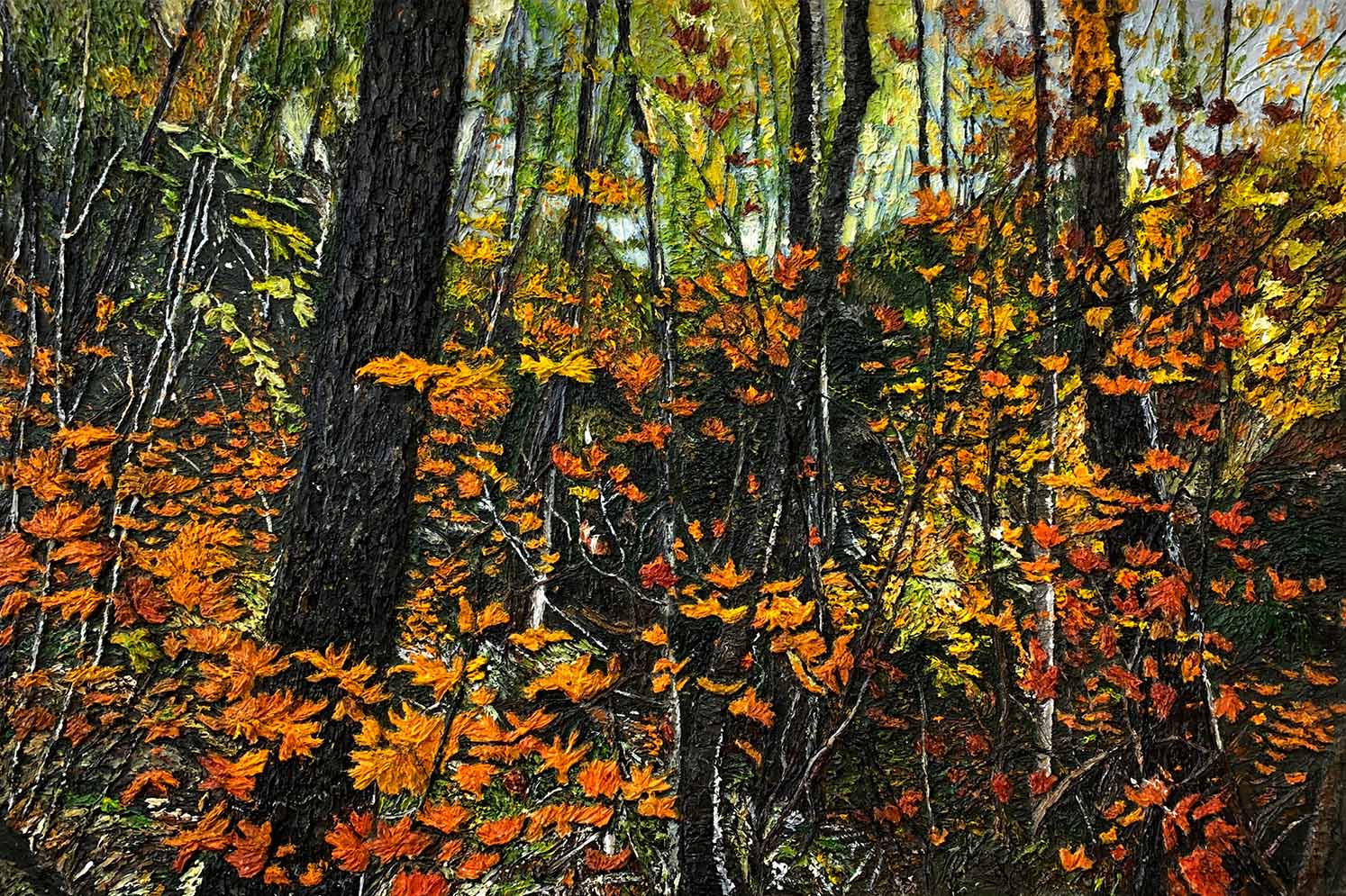
At Galerie Tanit, Tamara Haddad presents À Mon Père (30 April – 4 June), a deeply personal exhibition shaped by memory, loss, and ecological reflection. Dedicated to her late father, the series continues her long-standing engagement with environmental concerns, shifting from images of destruction toward a quieter focus on endurance. Inspired in part by Khalil Gibran’s reflections on nature, Haddad turns to trees as symbols of persistence and poetic presence. Rooted in photographs taken during her walks, the works trace a fragile balance between beauty and unease, inviting renewed attention to what often remains overlooked within the natural world.
Over at LT Gallery, CIRCUS (29 April – 13 May), a solo exhibition developed by Czech ceramist Jiri Posva between Prague and Beirut, moves across distinct histories of crisis. The project examines how spectacle operates as a vehicle of power. Drawing from traditions of grotesque figuration and satire, Posva constructs exaggerated bodies that oscillate between seduction and distortion. These forms, often theatrical and excessive, expose mechanisms of control by pushing them to absurd limits. Within this staged universe, desire appears heightened and performative, unfolding as both symptom and critique of systems sustained through display, illusion, and repetition.
KINGDOM OF SAUDI ARABIA
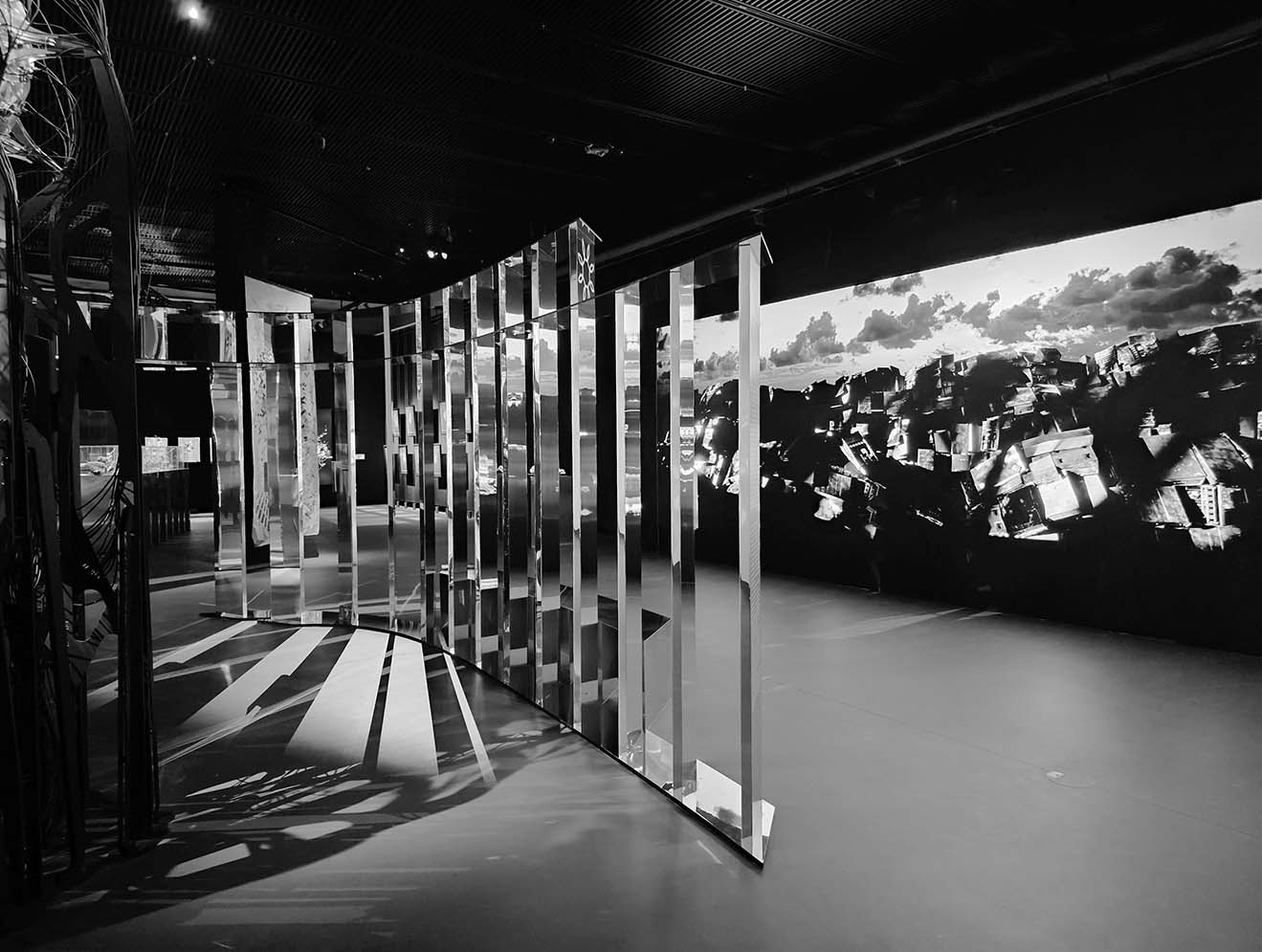
At Diriyah Art Futures in Riyadh (on view until 15 May 2026), Of The Earth: Earthly Technologies to Computational Biologies unfolds as an immersive, large-scale exhibition curated by Irini-Mirena Papadimitriou. Designed by studioentropia, the project brings together a wide group of international and regional artists including Ayman Zedani, Dima Srouji, Zahrah Al Ghamdi, and Liam Young, among others, to explore the entanglement of organic and computational systems. Through mirrored surfaces, layered spatial configurations, and responsive environments, the exhibition dissolves boundaries between artwork, architecture, and viewer. Drawing on post-natural and new materialist thinking, the space operates as a living system – one that simulates ecological interdependence through technological means. Rather than positioning nature as external, the exhibition constructs a terrain where biological and artificial processes coexist, overlap, and mutate. Across installations, speculative design, and research-driven practices, Of The Earth proposes a continuously shifting landscape in which matter, data, and perception are held in dynamic relation.
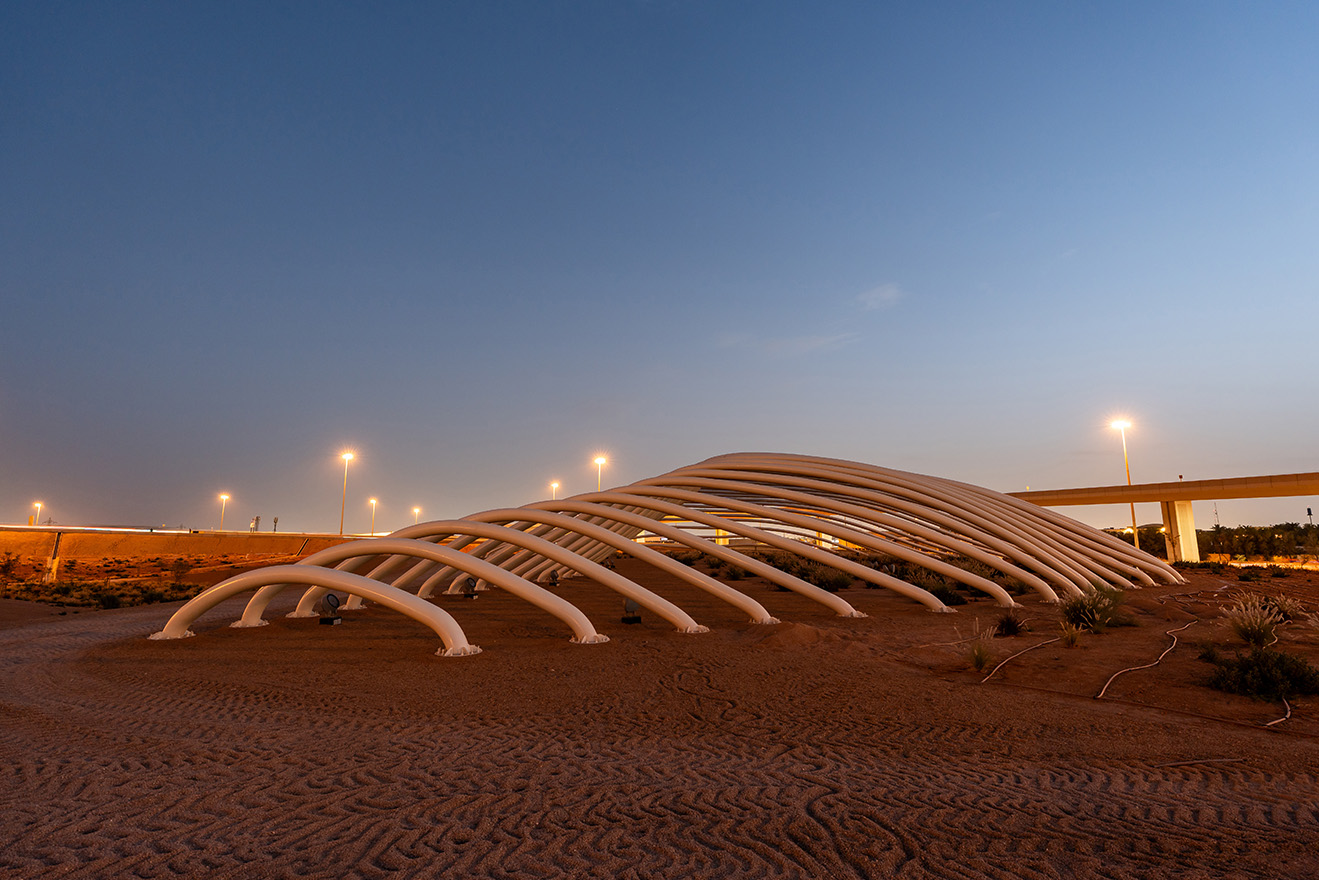
Meanwhile, Riyadh Art has announced the continued expansion of its permanent public art collection, unveiling new installations across the city while outlining an ambitious programme extending through 2026 and beyond. As one of the world’s largest public art initiatives, the collection now includes 75 works, with over 100 additional installations in development. Newly commissioned, large-scale interventions signal a growing integration of art into the city’s daily fabric. Bringing together international figures such as Anish Kapoor and regional voices including Manal AlDowayan, the programme continues to shape Riyadh’s evolving cultural landscape through accessible, site-responsive works.
THE WORLD
At P21 Gallery, London (16 Apr–29 May 2026), The Lost Paintings: A Prelude to Return brings together 53 Palestinian artists from across the diaspora. Tracing works lost during the Nakba, the exhibition revisits the absent 1947 Haifa show of Maroun Tomb through contemporary responses. Across painting, film, and installation, artists engage memory as fragment and reconstruction, reimagining what has been erased while articulating new visual futures shaped by displacement and continuity.