UNITED ARAB EMIRATES
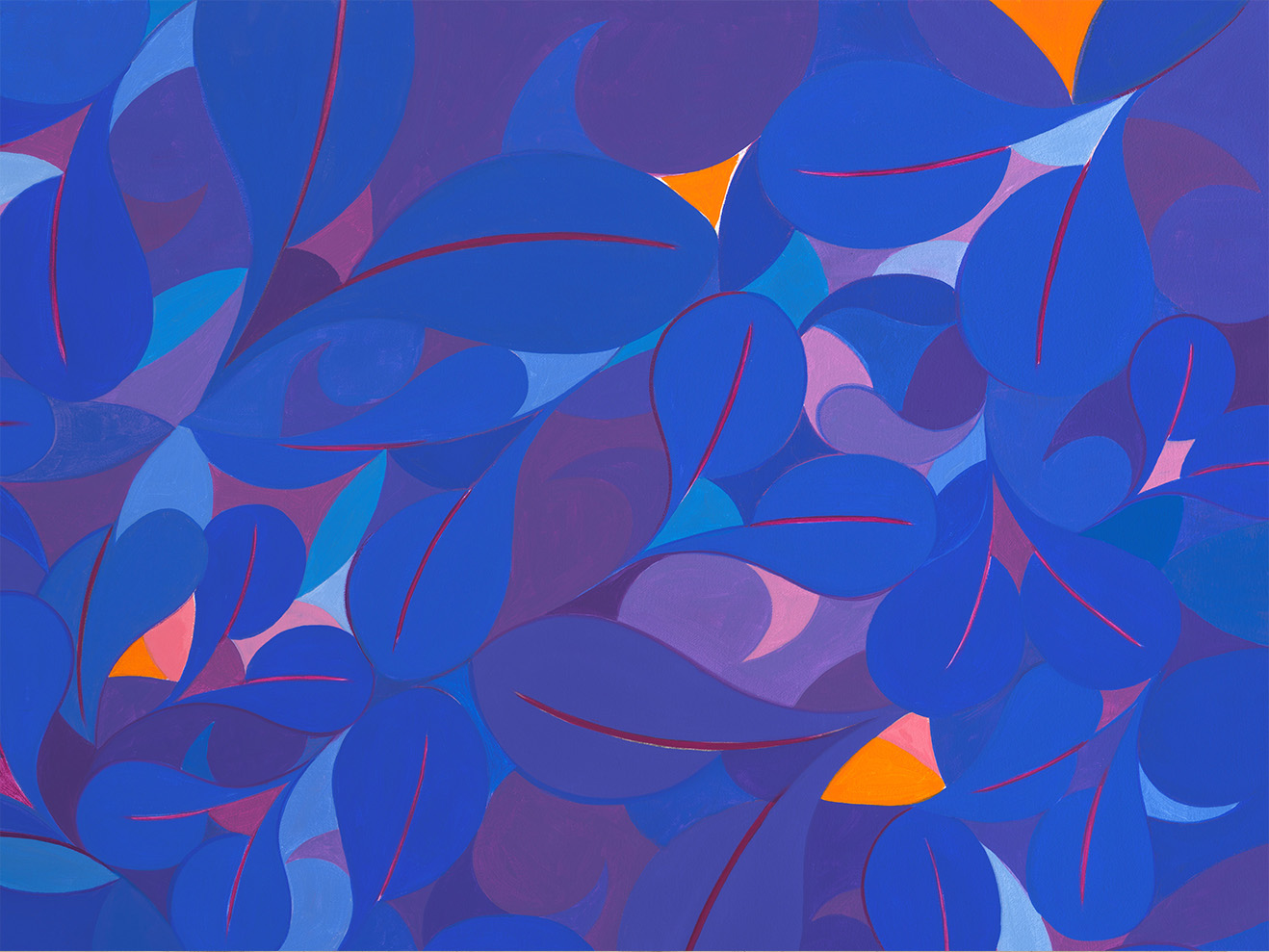
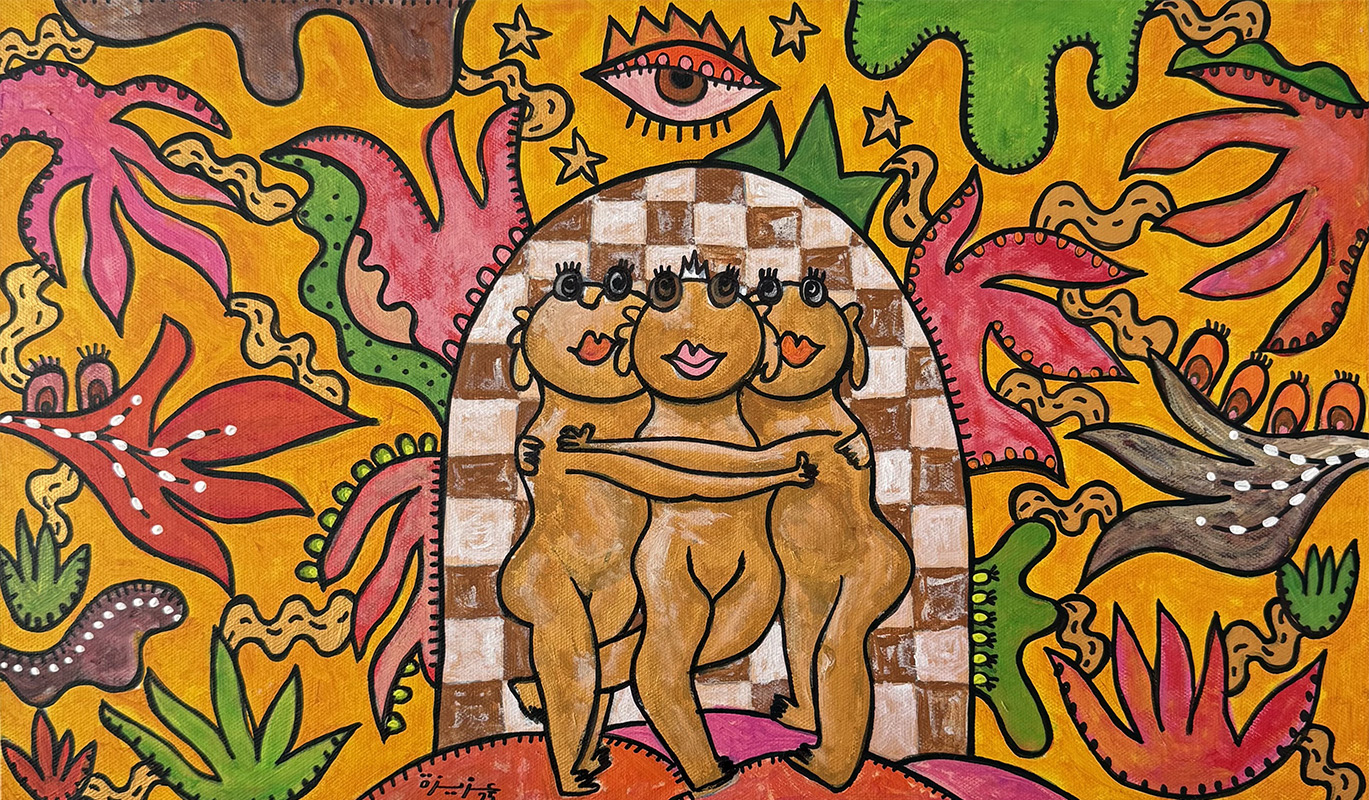
At Efie Gallery, In Abstracto, In Concreto (16 May–21 September 2026) brings together four artists whose practices move between figuration and abstraction to examine memory, identity, and belonging through the lens of African and diasporic experience. Curated by Brice Arsène Yonkeu, the exhibition features new works by Tunji Adeniyi-Jones, Luke Agada, Ludovic Nkoth, and Naïla Opiangah. Mythological figures emerge from lush foliage in Adeniyi-Jones’s paintings, while Agada’s layered compositions oscillate between structure and dissolution. Nkoth captures fleeting moments of stillness and encounter, and Opiangah’s monumental canvases unfold through overlapping bodies and shifting forms. Together, the works hold space for ambiguity, tracing how histories and inheritances continue to shape contemporary experience.
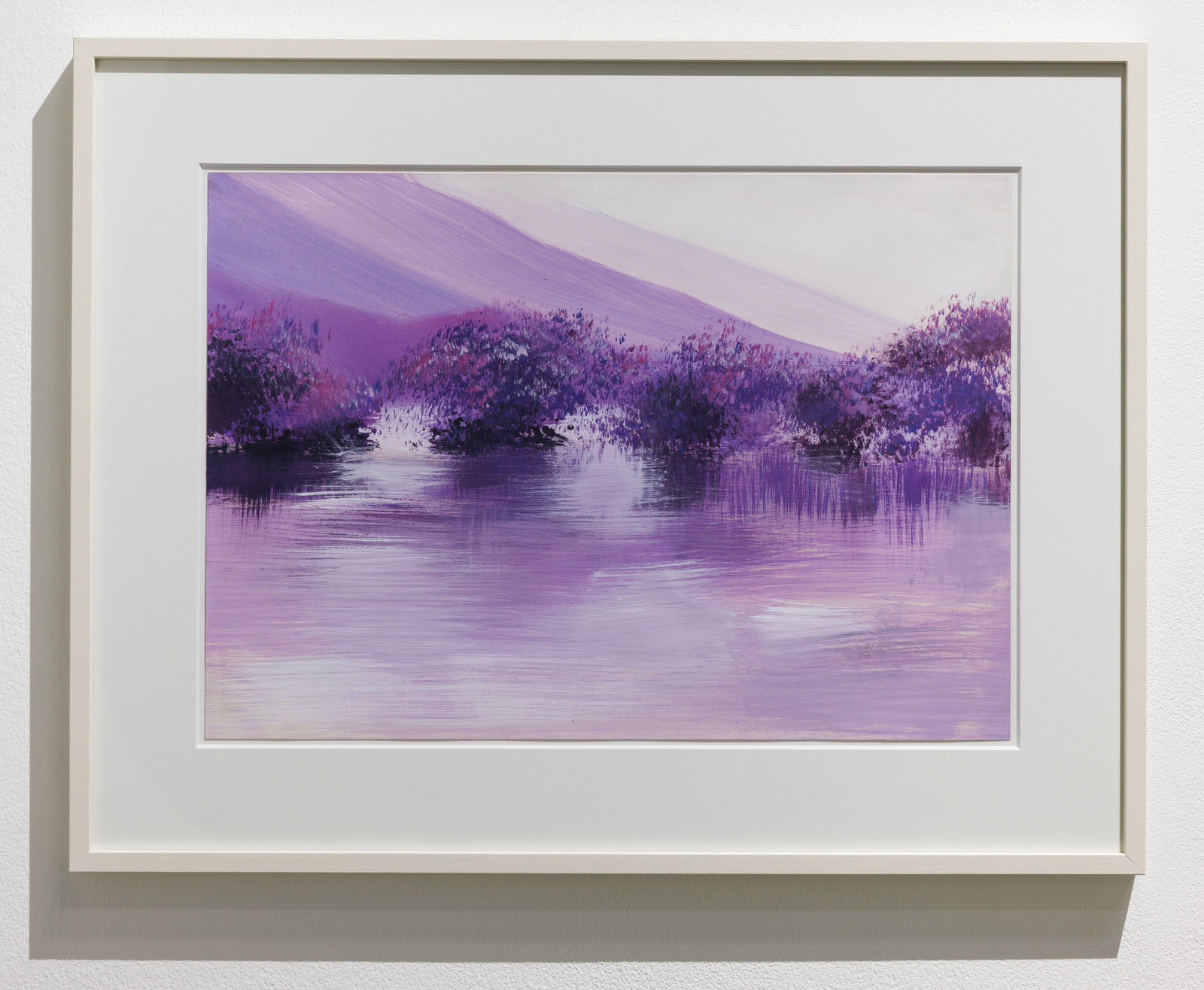
Two concurrent presentations at Gallery Isabelle reflect on landscape, observation, and the poetics of everyday experience from 4 June until 15 September 2026. In In Plain Sight, Emirati artist Alia Zaal turns her attention to the scrublands of Al Khawaneej and the mangroves of Abu Dhabi, creating paintings that focus on fragments of flora rather than panoramic views. Echoing the contemplative spirit of the Naseeb, the works approach landscape through memory, intimacy, and lived experience. Alongside this, Scenes from the 90s: Oscillating between Observation and Abstraction revisits formative works by Mohammed Kazem. Produced under the mentorship of Hassan Sharif, the selection reveals early experiments with collage, repetition, and perception that would later become central to Kazem’s practice, offering insight into a pivotal period in the artist’s development.
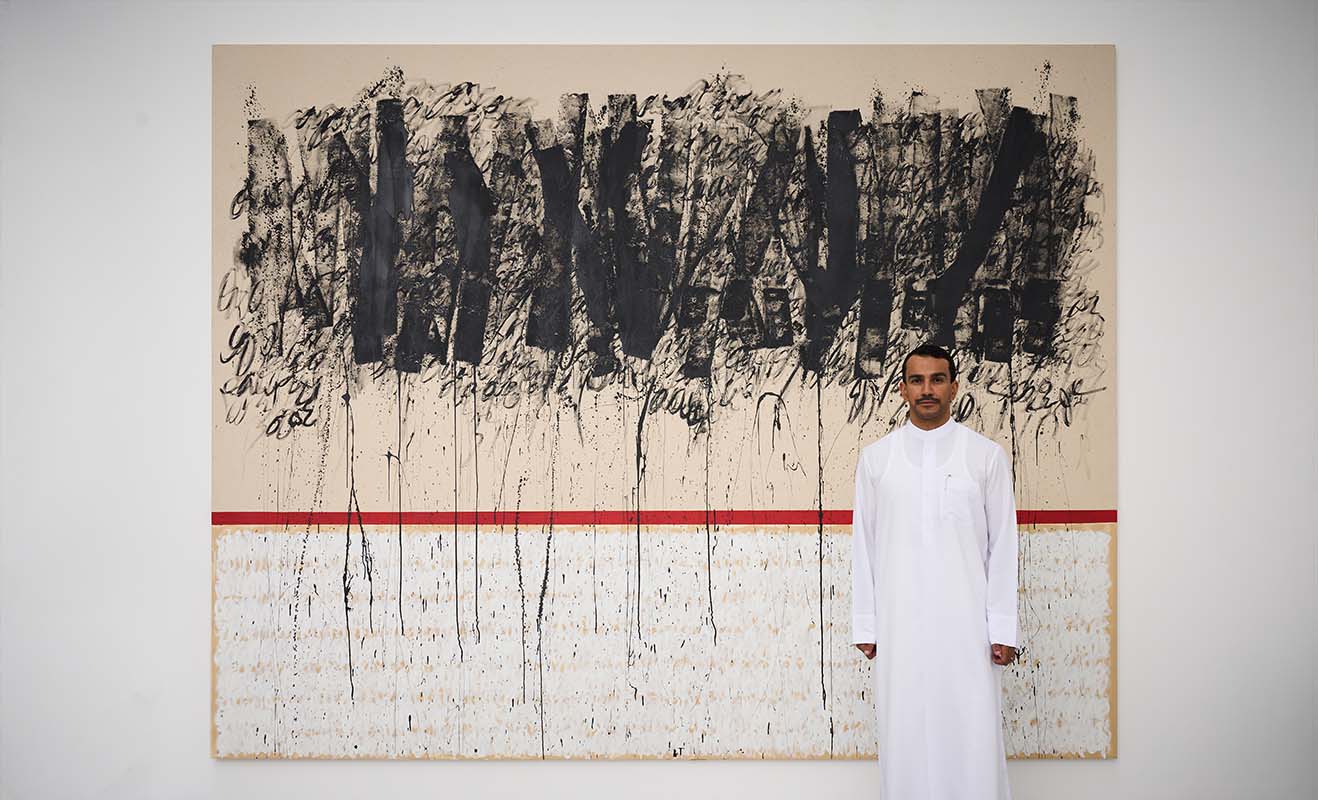
At Iris Projects, Emirati artist Juma Al Haj presents Interoception (6 June–6 August 2026), a solo exhibition curated by Shamma Al Mheiri. Developed in the aftermath of the missile attacks reported in the UAE in early 2026, the exhibition considers how moments of crisis are absorbed, processed, and translated into material form. Through gestural abstraction, layered surfaces, and fragmented text, Al Haj transforms personal responses to uncertainty into a broader reflection on collective anxiety and resilience. Working between painting and writing, the artist approaches the canvas as a space of emotional recording. As founder Maryam Al Falasi notes, the exhibition reflects “the important role artists play in recording the emotional and human dimensions of historical events,” while marking a significant moment in Al Haj’s evolving practice.
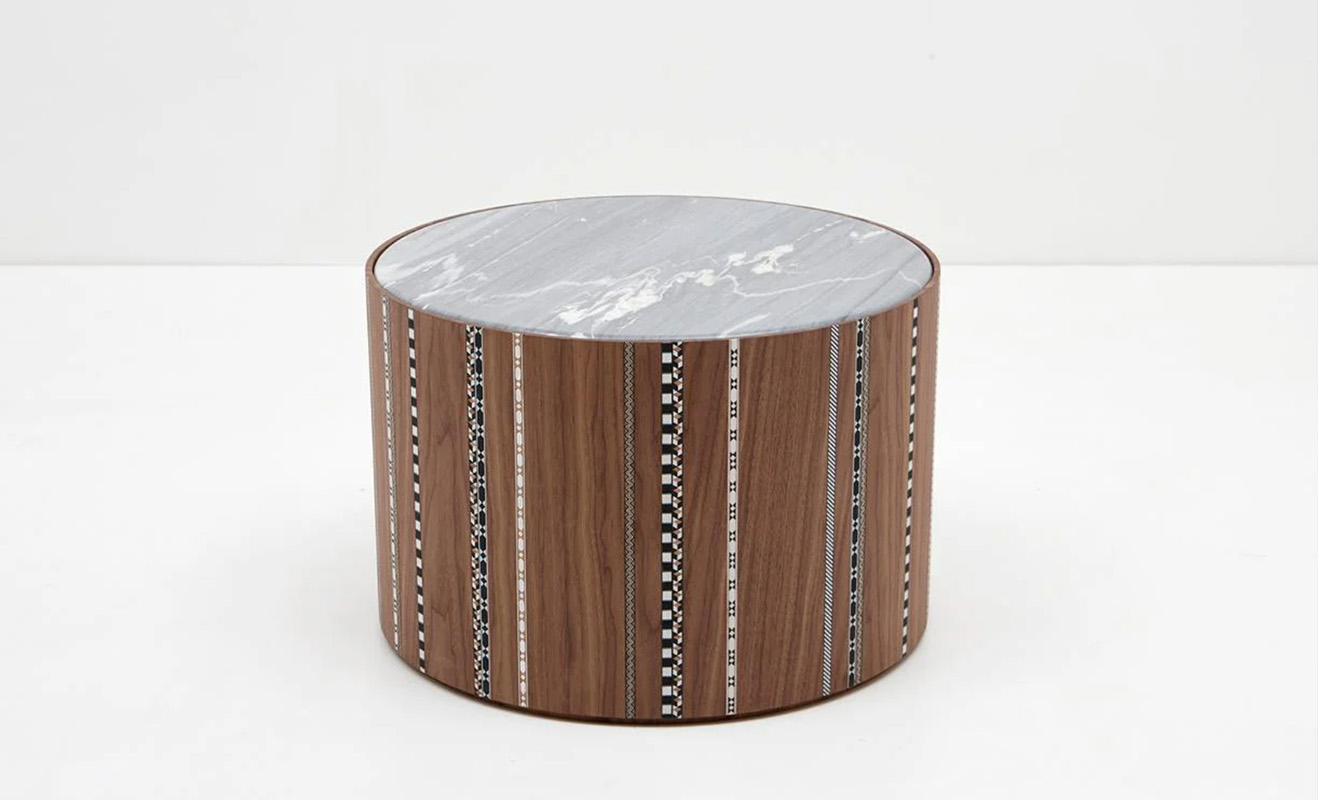
Cross Scripts (6 June–31 July 2026) at Lawrie Shabibi brings together artists, designers, architects, and makers whose practices move fluidly between disciplines. Spanning painting, sculpture, textiles, furniture, ceramics, jewellery, and collectible design, the exhibition considers how objects carry cultural memory beyond their practical function. Works by artists including Hamra Abbas, Kamrooz Aram, Mehdi Moutashar, Sarah Almehairi, Driss Ouadahi, and Nada Debs sit alongside design practices such as MODU Method, KAMEH, and Bil Arabi. Geometry, ornament, craftsmanship, and abstraction intersect throughout, revealing unexpected affinities between generations and geographies while questioning conventional distinctions between art, design, and craft.
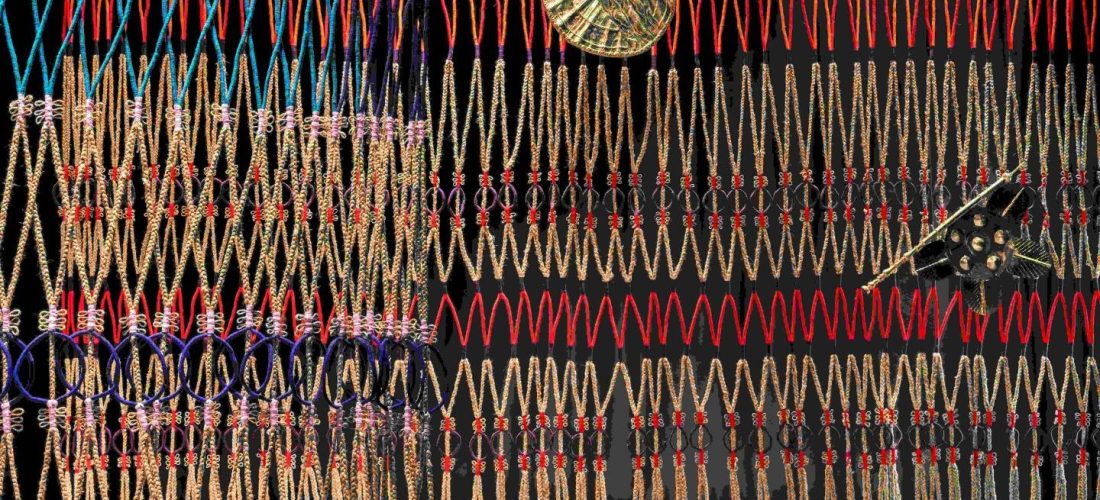
At Jameel Arts Centre, two exhibitions explore movement, memory, and the infrastructures that shape contemporary life. Global Positioning System (9 May until 4 October 2026), curated by Lucas Morin and Indranjan Banerjee, gathers more than forty artists examining navigation systems, transport networks, and contested geographies. Through stories of roads, borders, bridges, and imagined landscapes, the exhibition reflects on the promises – and failures – embedded in modern mobility. The exhibition visits Art Jameel’s institutions, in Dubai is stays on view until 4 October, and at Hayy Jameel, Jeddah until 17 October. Nearby, the latest Artist’s Room is dedicated to Bangladeshi artist Kamruzzaman Shadhin. The River Remembers (until 1 November 2026), originally commissioned for the 2023 Diriyah Biennale, uses handwoven jute and engraved brass to trace the shifting waters of the Teesta and Brahmaputra rivers. Drawing on stories of migration shaped by the 1947 Partition, the installation considers how rivers become repositories of memory, carrying personal histories across generations.
LEBANON
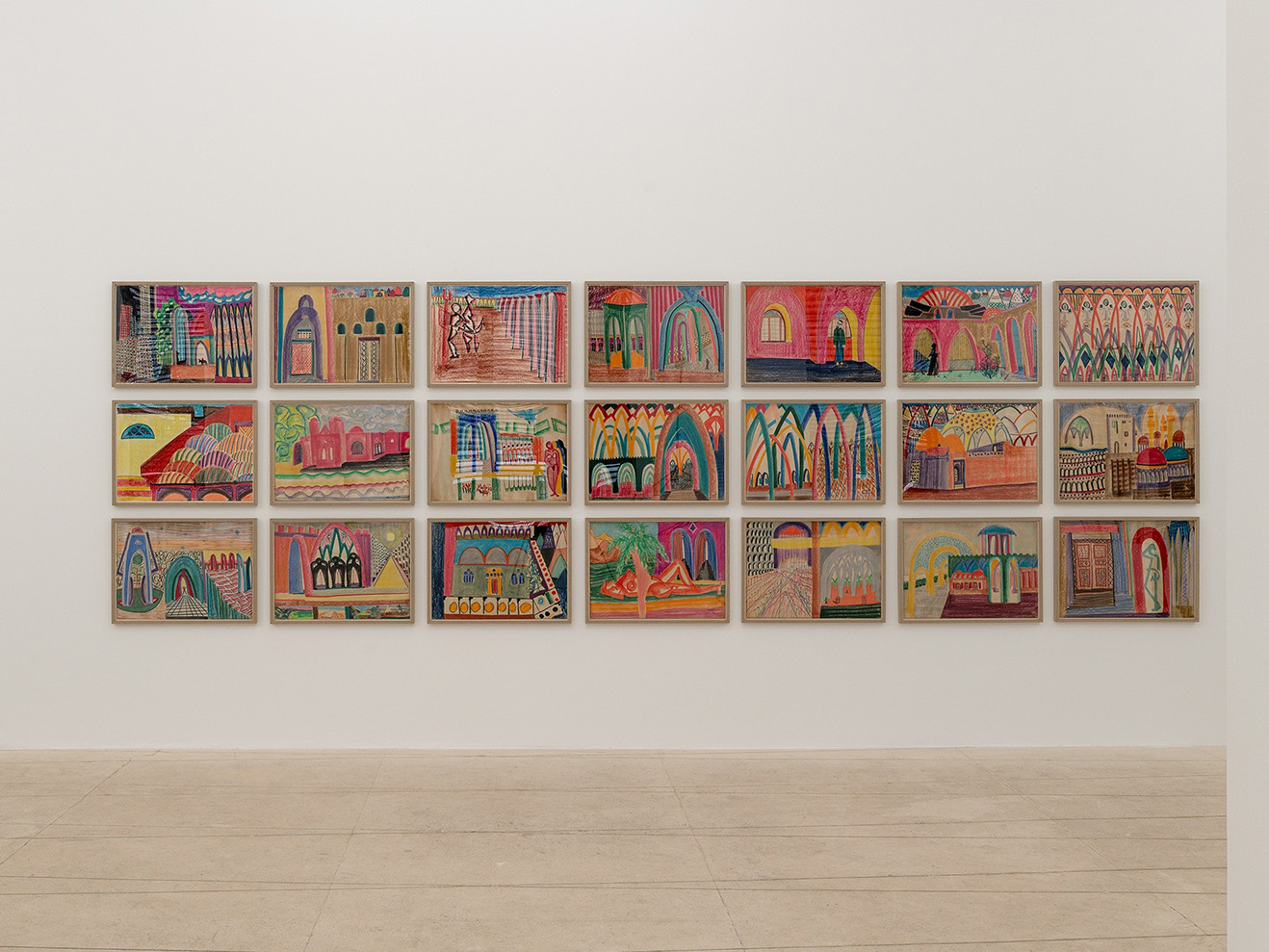
Opening alongside the release of The Road to Peace, a limited-edition print series realised in collaboration with the Aref El Rayess Foundation, Aref El Rayess: J’aime les fleurs comme les étoiles (29 May – 14 August 2026) at Sfeir-Semler Gallery revisits the extraordinary breadth of the late Lebanese artist’s practice. Created from drawings made during his exile in Algeria in 1975–76 and later translated into etchings, The Road to Peace remained unpublished for decades after being censored during the Lebanese Civil War. The exhibition unfolds across works on paper spanning the late 1950s to the 1970s, from depictions of armed conflict and experiments in abstraction to architectural studies inspired by Egyptian architect Hassan Fathy and lyrical landscapes seeking moments of calm amid regional upheaval. A pioneering figure in modern Lebanese art, Aref El Rayess (1928–2005) moved fluidly between painting, sculpture, printmaking, and tapestry throughout a career that spanned continents and artistic traditions.
Tunisian artist Aziza Guermazy returns to Beirut with From Darkness to Light (5 – 20 June 2026) at Kalim Bechara Art Gallery. Bringing together a new body of work, the exhibition reflects on transformation as an ongoing process shaped by loss, resilience, and renewal. Through layered surfaces, shifting forms, and textured compositions, Guermazy navigates moments when certainty dissolves and new possibilities begin to emerge. Rather than offering fixed narratives, the paintings inhabit a space between disappearance and reappearance, where memory, emotion, and healing remain in flux. As the artist notes, the works trace “the intimate territories of transformation, where loss, silence, and healing converge,” inviting viewers to reflect on their own experiences of change and becoming.
THE WORLD
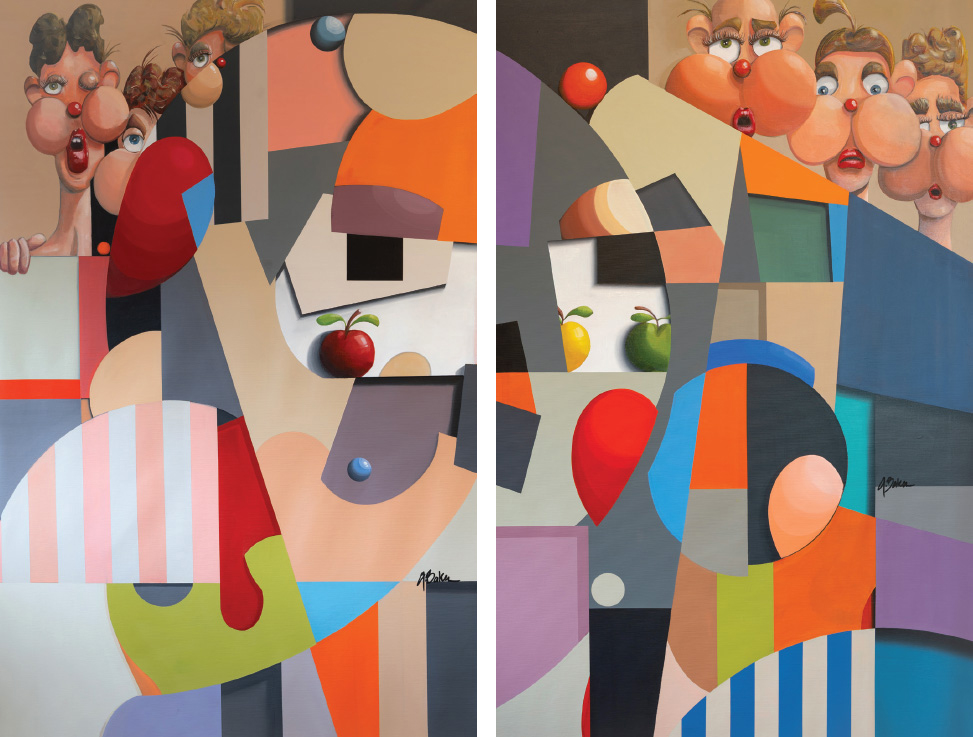
At Mark Hachem Gallery, Paris, Lebanese artist Ghazi Baker presents Entanglement (7–18 June 2026), a new body of work that borrows its title from quantum physics to explore relationships that resist clear separation. Across twelve paintings created between 2025 and 2026, hyperreal objects – dice, pool balls, fruit, and chess pieces – appear embedded within abstract and cubist compositions, functioning as clues rather than symbols. Several works unfold in conceptual pairs: Before the Break and After the Roll frame moments before and after chance events, while the diptychs Entangled Particles and Disentanglement Principle consider states of connection and rupture. Moving between still life, abstraction, figuration, and mathematical notation, the exhibition brings together recurring concerns that have shaped Baker’s practice over recent years.
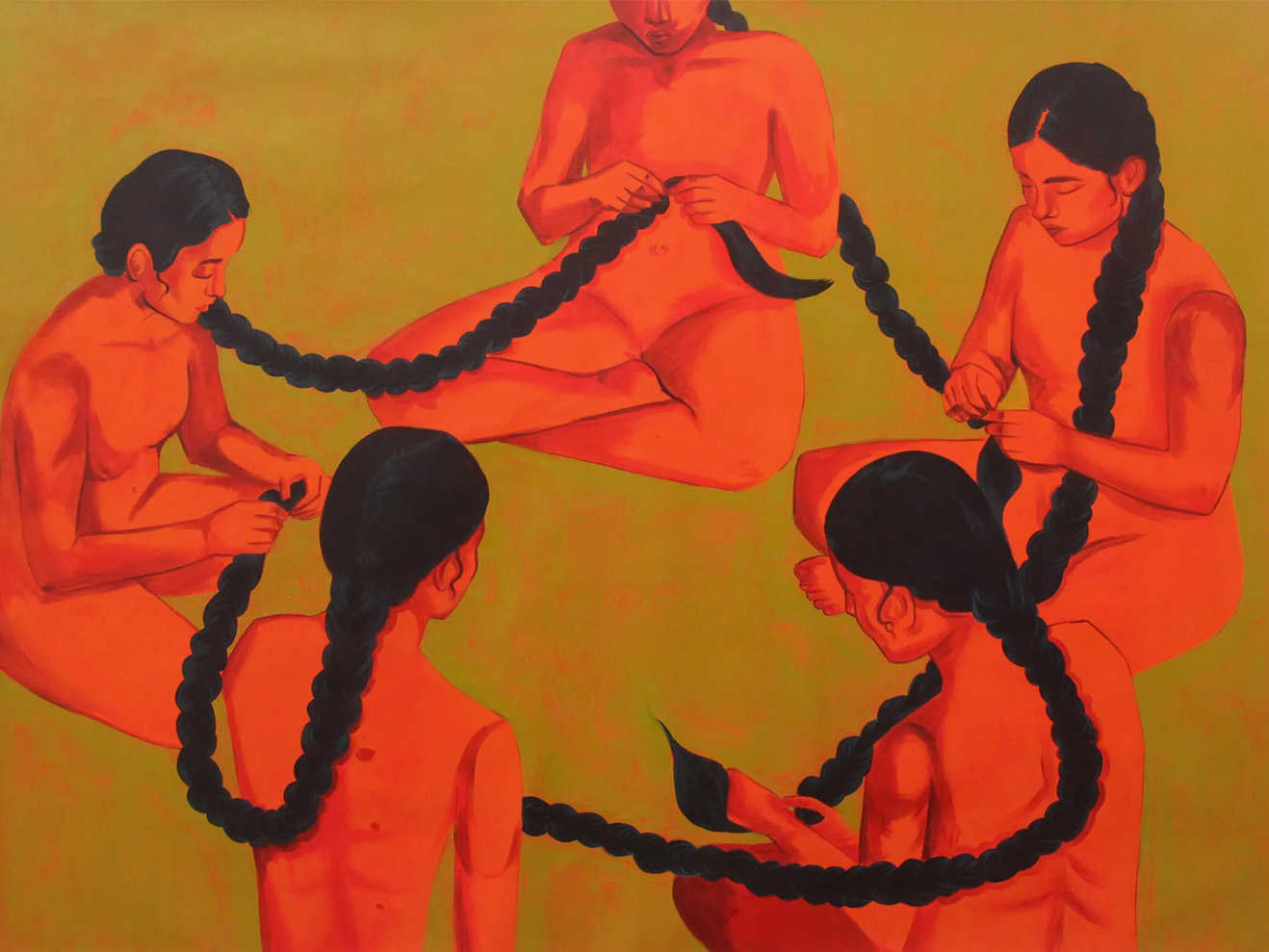
Curated by Christina Shoucair, What Touches the Scalp Is Close to the Bone (3–10 June 2026) at Hunna Art Gallery, Kuwait, takes hair as a point of departure for considering intimacy, identity, and memory. The exhibition approaches hair not as a purely aesthetic element but as a threshold between inner and outer worlds – a site where personal histories, cultural narratives, and acts of care become visible. Drawing on the symbolic and emotional associations attached to hair, the works reflect on transformation, vulnerability, and the rituals through which people mark change. From gestures of grooming and touch to questions of self-presentation and belonging, the exhibition considers hair as both archive and witness, carrying traces of lived experience while remaining intimately connected to the body and the self.