Even as conflict continues to shape many lives across the Middle East, galleries and museums persist in offering spaces of attention and encounter. Our thoughts remain with those enduring displacement, loss, and uncertainty. This week’s presentations attest to art’s capacity to hold form and attention amid difficulty.
UNITED ARAB EMIRATES
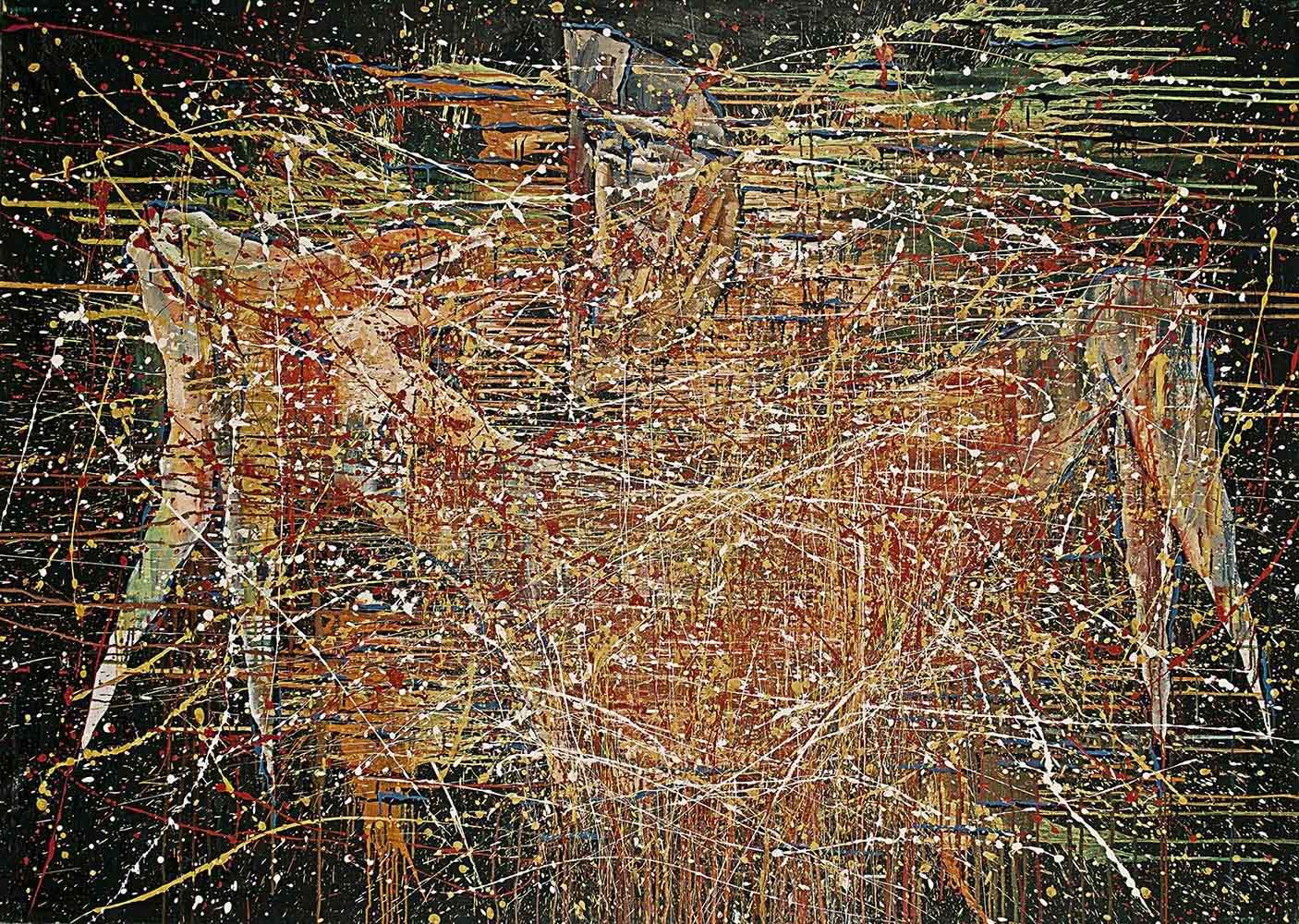
At Andakulova Gallery, Dubai (open 25 Feb–25 Apr 2026), an exhibition honours the legacy of the late avant‑garde artist Andrey Krikis (1950–1994), celebrated by contemporaries as the “King of Colour” for his lifelong engagement with pigment, form, and the cultural landscapes of Central Asia. Born in Russia and active for much of his career in Uzbekistan, Krikis moved from academic figuration toward a bold, intuitive abstract expressionism. This presentation brings together key works that evoke the atmosphere of Samarkand through saturated colour fields, rhythmic gesture, and surface tension rather than direct depiction. These paintings chart decisive shifts in his practice and celebrate his lasting influence on abstraction.
The National Pavilion UAE at La Biennale di Venezia continues the country’s ninth participation in the International Art Exhibition with Washwasha, curated by Bana Kattan with Assistant Curator Tala Nassar. The group exhibition brings together six artists: Mays Albaik, Jawad Al Malhi, Farah Al Qasimi, Alaa Edris, Lamya Gargash, and Taus Makhacheva whose practices engage contemporary soundscapes shaped by migration, transience, and long‑standing ties to land and labour. Through spatialised sound, installation, and time‑based media, Washwasha constructs listening as a mode of perception, inviting visitors to attend to what circulates around and within visual form.
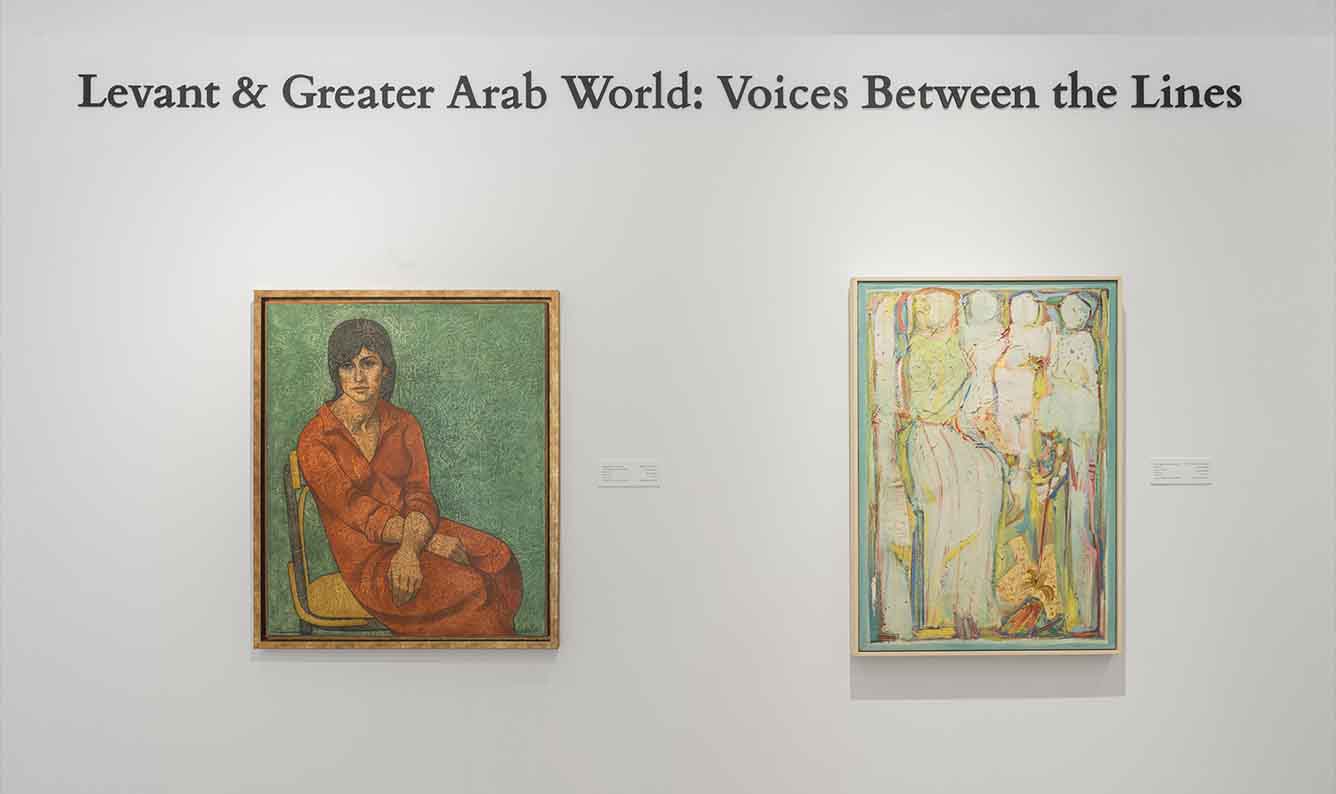
At the Bassam Freiha Art Foundation (open 13 Feb – 31 May 2026), Reflections: Modern and Contemporary Art from the Villain Collection draws from the private holdings of UAE collectors Fairouz and Jean‑Paul Villain across three thematic zones. The first, “The Levant and the Greater Arab World: Voices Between the Lines,” brings together works by artists including Paul Guiragossian, Louay Kayyali, Helen Khal, Etel Adnan and others, exploring themes of war, solitude, and intimate presence. “North African Art: Forms of Continuity” examines how modern artists integrate inherited visual vocabularies, painted papyrus, bronze sculpture, geometry into contemporary practice. “Emirati Art: This Place, This Feeling” foregrounds conceptual and abstract language through figures such as Hassan Sharif, Hussein Sharif, Mohammed Kazem, and Najat Makki, alongside Afra Al Dhaheri, Shaikha Al Mazrou, Zeinab Al Hashemi, Hashel Al Lamki, and Noor Al Suwaidi, whose distinct approaches reflect the Villains’ enduring relationships with UAE culture.
QATAR
Qatar Museums and Design Doha have postponed the opening of the Design Doha Biennial 2026 to 5–7 Nov 2026, with exhibitions remaining on view until 31 Dec 2026. Design Doha is a regional platform that foregrounds contemporary design across the Middle East, North Africa, and South Asia, positioning object, craft, and systemic thinking as vectors of cultural exchange and material inquiry. This rescheduling maintains the event’s momentum while allowing an extended encounter with design as lived and constructed form.

KINGDOM OF SAUDI ARABIA
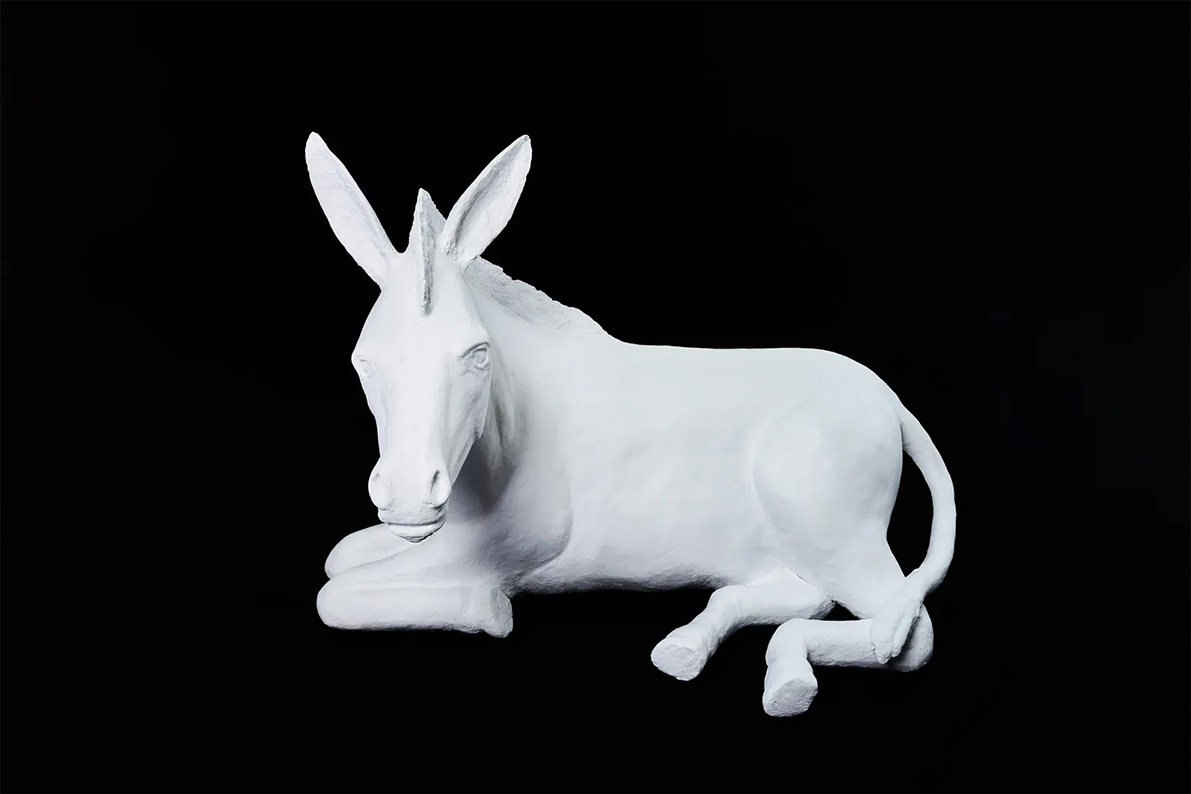
At Athr Gallery, Riyadh (28 Jan–9 May 2026), Ahaad Al Amoudi’s solo exhibition Unmirror activates sculpture, video, sound, and installation through humour and irony that refract reality itself. In works such as What is This?! (2025), falcons deliver looping, fragmented speech that collapses language into rhythmic disjunction, while in The Puddle (2025), a donkey is suspended within an unsteady reflective field, destabilising figural presence. Across the gallery, repetition and inversion interrogate how form and meaning are constructed and reframed. This is work that does not explain reality so much as make us aware of how we produce it.
THE WORLD
At Galleria Katariina, Helsinki (open 9 Apr–1 May 2026), Iraqi artist Saddam Jumaily presents Palimpsest of Home: Erasure and Inlay, a solo exhibition that explores nostalgia, displacement, and the anxiety of homeland. Jumaily’s paintings layer figurative elements with anatomical and archival imagery, interrupting surfaces so that image and erasure coexist. Occasional insertions of surgical illustrations and scientific photos, reversed against painted ground, shift recognition into ambiguity. Viewers are invited into a psychology of place that is seemingly shifting, making “home” a contested visual condition.
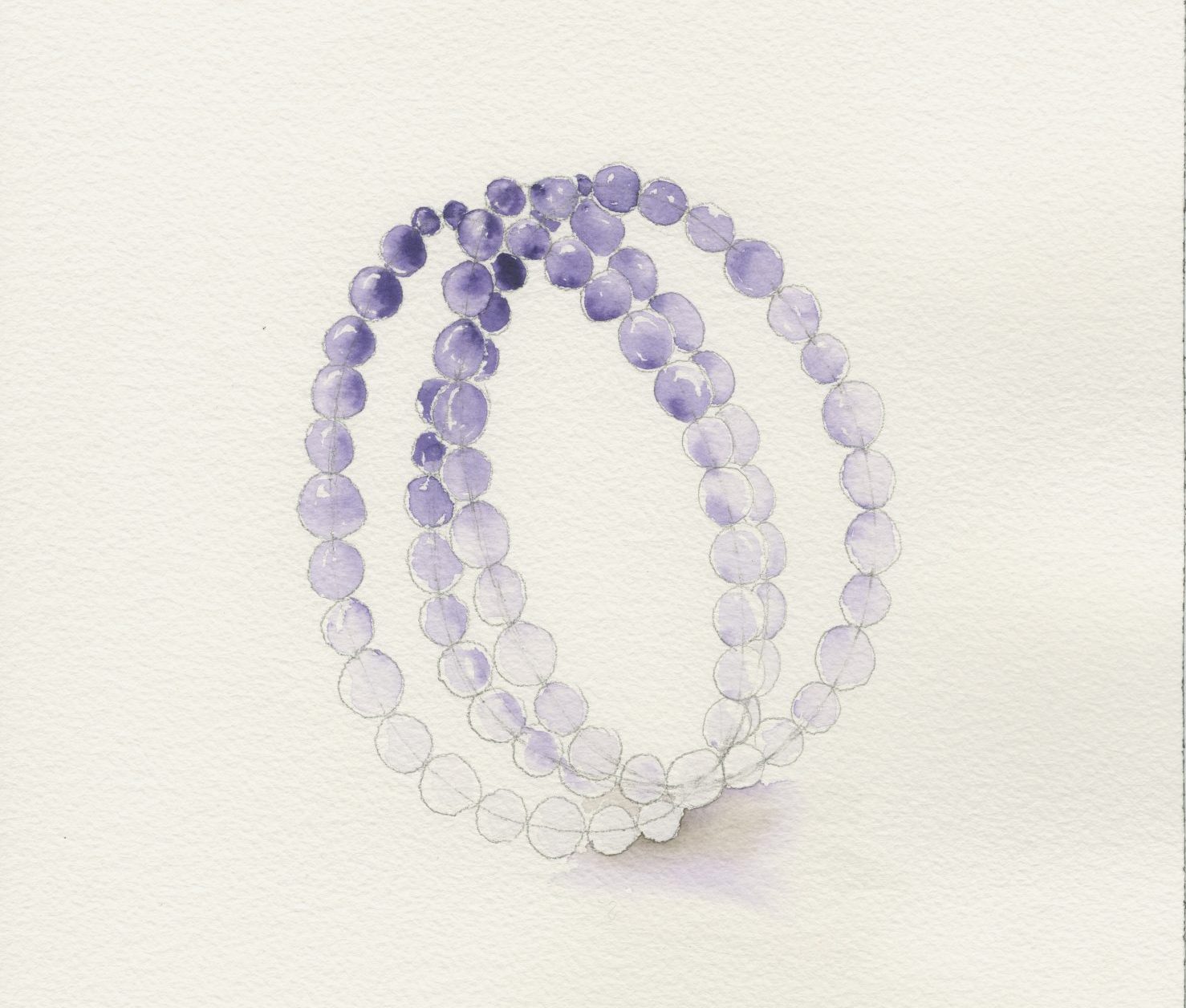
At the Boghossian Foundation (open 10 Apr–4 Oct 2026), the exhibition Diary of Happiness offers French artist Jean‑Michel Othoniel a carte blanche to present work developed through global travel. Each piece corresponds to a country Armenia, India, Japan, Mexico, Turkey translated into sculptural and modular forms through Othoniel’s characteristic glass language. Suspended chains, reflective surfaces, and colour fields accumulate into a meditative field where geography emerges through repetition, light, and gesture. The exhibition traces material resonances across cultures.
At the Institut du Monde Arabe (open 4 Apr–18 Jul 2026), Slaves in the Mediterranean. 17th–18th Centuries examines a little‑known history of Muslims and Christians enslaved across Mediterranean ports. Through archival documents, paintings, and objects, visitors encounter narratives of forced labour: galley rowers, servants, translators, artisans, in settings from Marseille to Venice and Malta. A previously unseen contemporary work, Suspended in Time by Syrian‑Armenian artist Kevork Mourad, connects this long history to ongoing debates about representation and historical neglect, including the depiction of slavery in art such as the Quattro Mori.
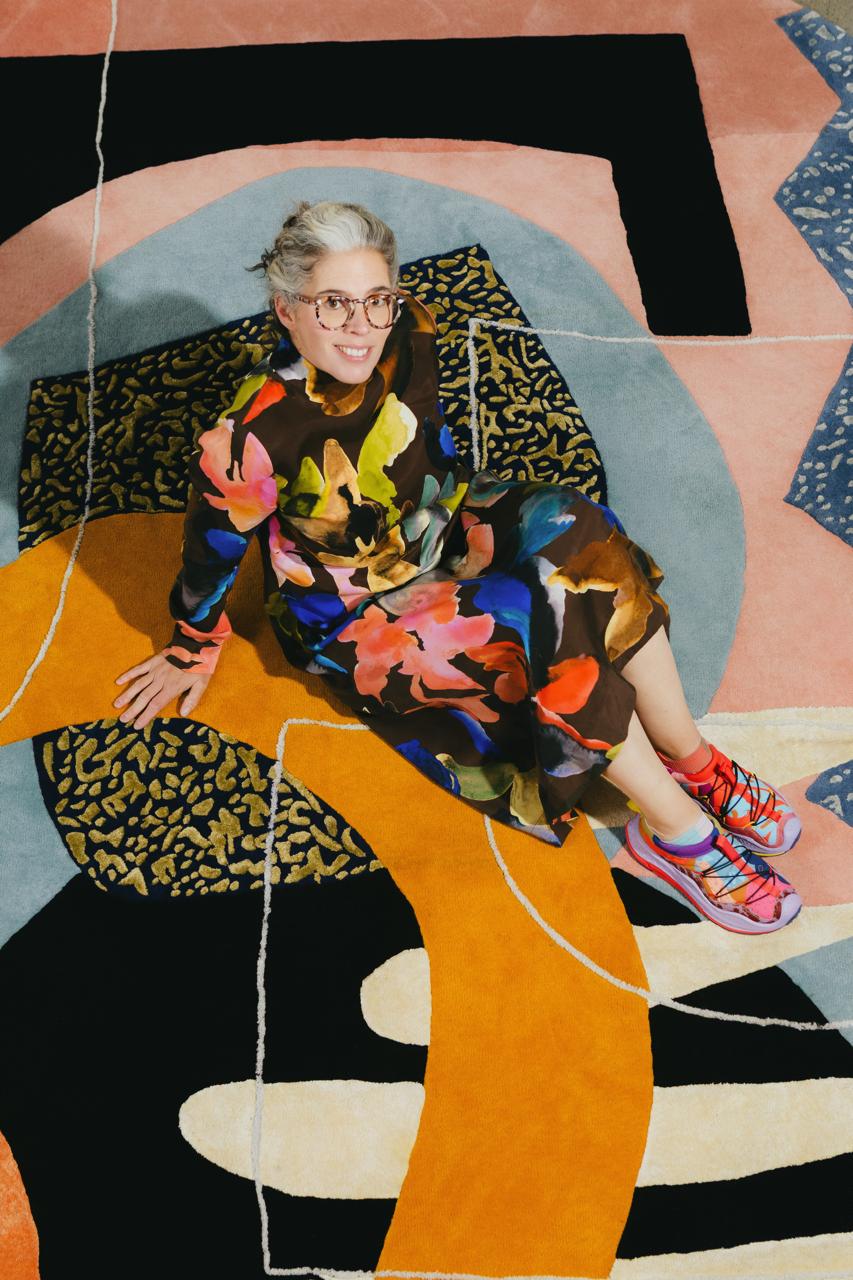
A new collaboration between the Egyptian rug house Kahhal 1871, specialising in hand‑knotted textiles and German artist‑designer Alex Proba brings contemporary art into dialogue with heritage craftsmanship. Drawing from Proba’s sculptural practice in stone and abstraction, the project translates large‑scale visual language into woven surfaces, embedding formal logic into material craft. These hand‑knotted textiles reframe sculpture within a domestic context, emphasising scale, permanence, and transformation within a shared visual vocabulary.