In the heart of Riyadh, along the historic artery of Prince Mohammed bin Abdulaziz Street (Al Tahlia), a bold and decisive transformation has unfolded. The seventh edition of Tuwaiq Sculpture has concluded its live symposium, leaving behind twenty-five monumental works that register a city and cultural ecosystem in motion. Under the resonant theme Traces of What Will Be, the 2026 edition signals a clear evolution in the symposium’s trajectory, expanding the conversation from the physical act of carving stone toward a more nuanced investigation of material intelligence and spatial thinking.
What distinguishes this year’s edition is the intellectual clarity of its curatorial framework. Under the direction of Sarah Alruwayti, the project was shaped by a notably all-female international curatorial team: Saudi artist and curator Lulwah Al Homoud, British artist and Royal College of Art academic Sarah Staton, and German artist and urban aesthetics specialist Rut Blees Luxemburg. Collectively, they advance a reading of sculpture that privileges formal precision and spatial coherence. In their vision, material operates structurally, emerging as an active agent in shaping urban perception.
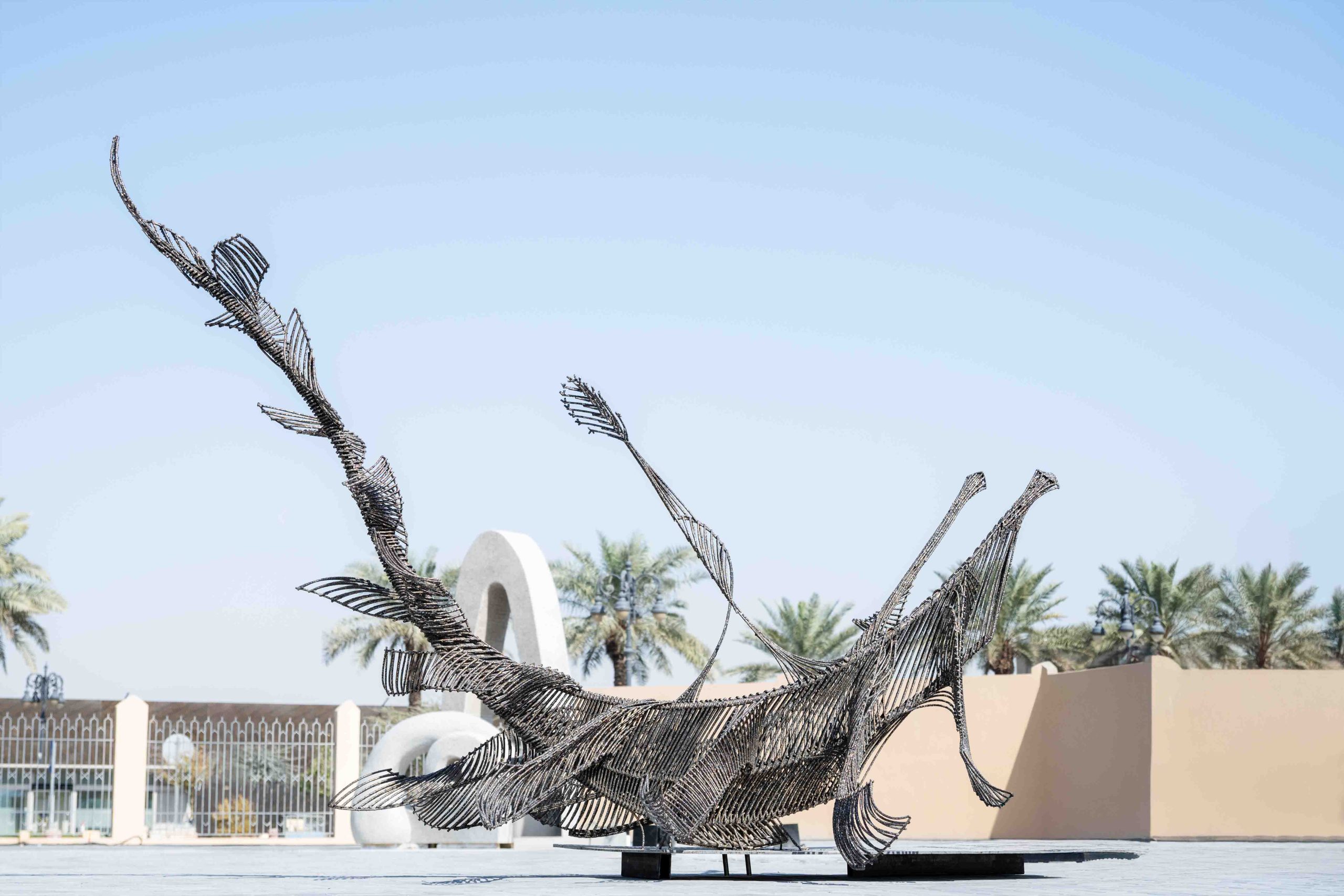
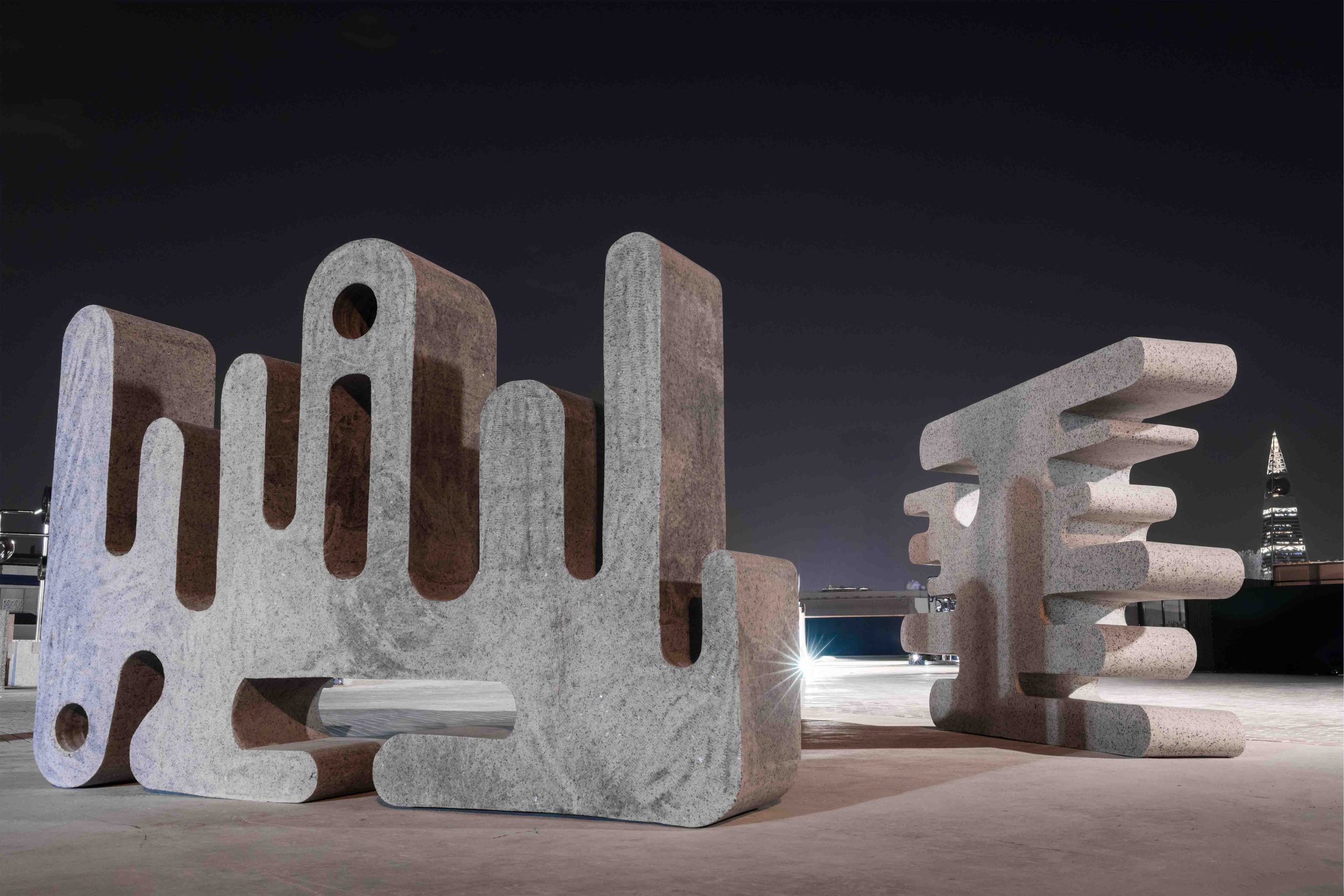
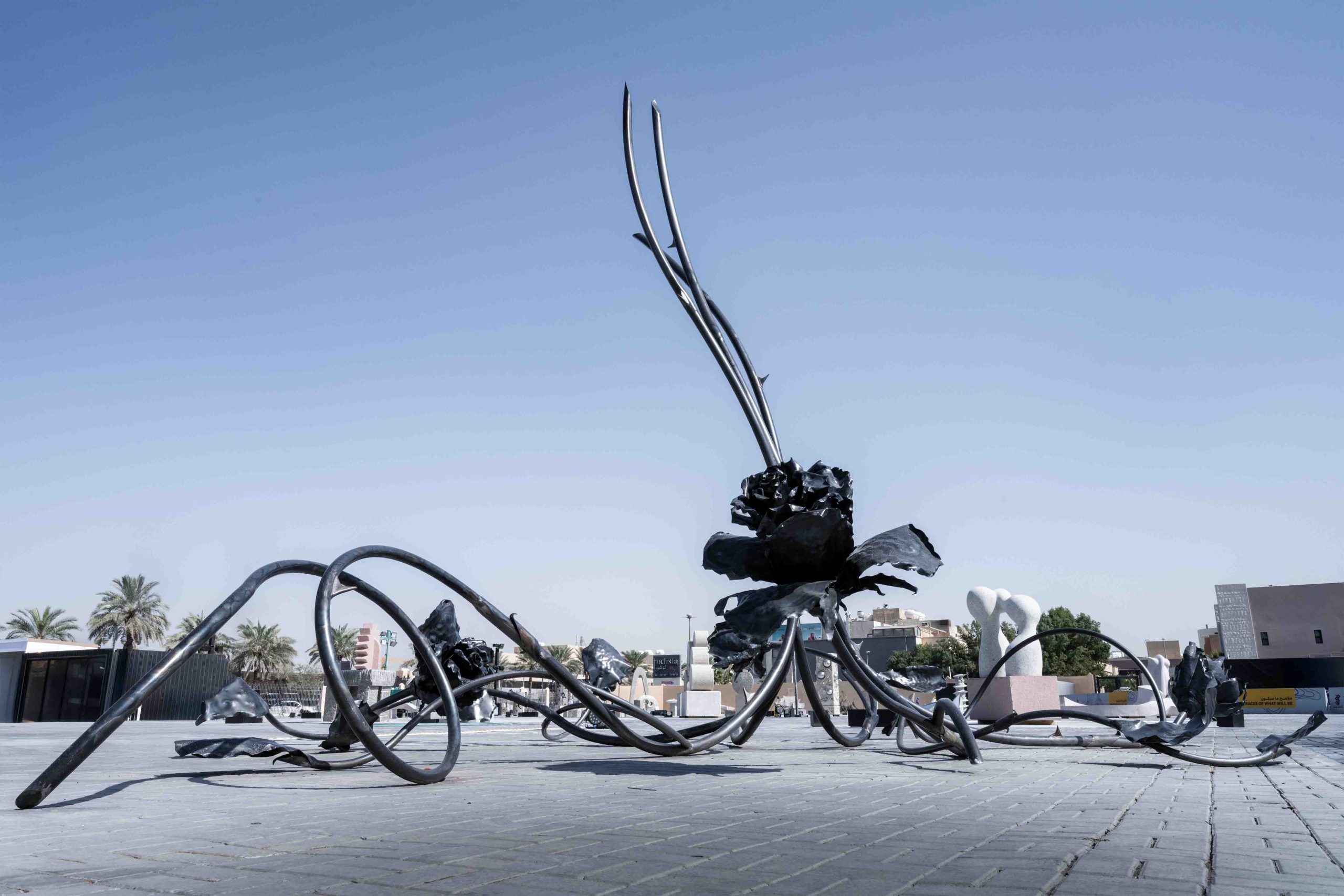
This conceptual pivot becomes particularly evident in the symposium’s expanded material vocabulary. Local Saudi granite remains the gravitational core of Tuwaiq Sculpture, now joined by stainless steel and reclaimed metal. The shift feels timely. Riyadh is increasingly defined by the reflective skins and vertical ambitions of its contemporary architecture. Within this urban context, the meeting of stone and steel functions as a calibrated mirror of the city’s evolving identity.
During the live sculpting phase (January 10 – February 5), the Al Tahlia site operated as an open-air laboratory. Twenty-five artists from eighteen countries worked in full public view, engaging in a rhythmic negotiation with mass and void. Visitors encountered works in states of becoming: surfaces roughened, planes clarified, volumes gradually resolving into presence. The process foregrounded time as a sculptural dimension in its own right.
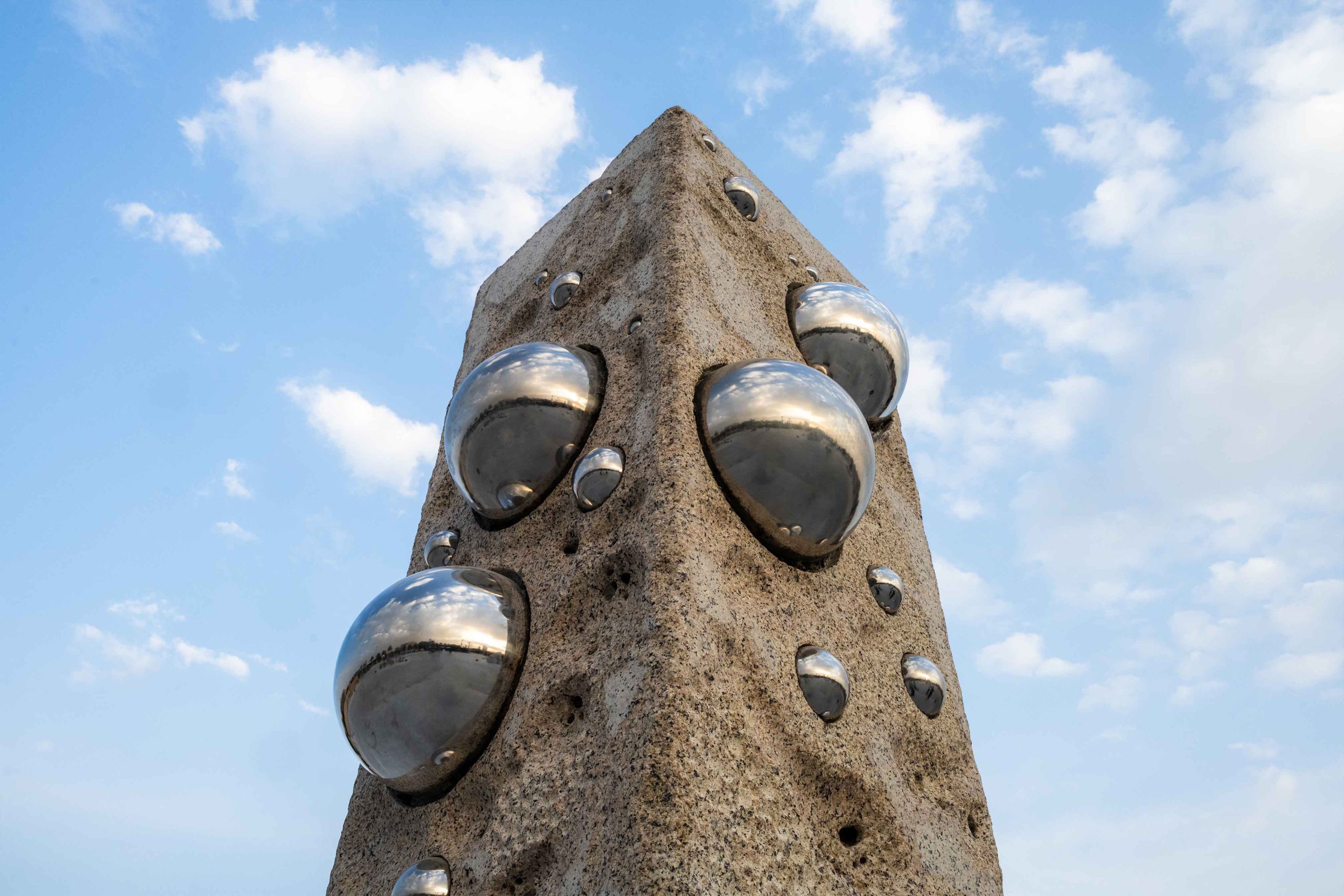
Among the standout works, Žilvinas Balkevičius’s Drops of Life exemplifies the edition’s material intelligence. Carved from Royal Gold granite and punctuated with mirror-finish spheres, the piece captures and refracts surrounding urban movement, drawing passing traffic into the sculpture’s kinetic field. Elsewhere, Saudi artists Abdulhameed Altokhais, Maisa Shaldan, Mohammed Al Thagafi, Wafa Alqunibit, and Saddiek Wasill contribute works that articulate an increasingly confident local sculptural language, attuned simultaneously to geological memory and contemporary spatial fluency.
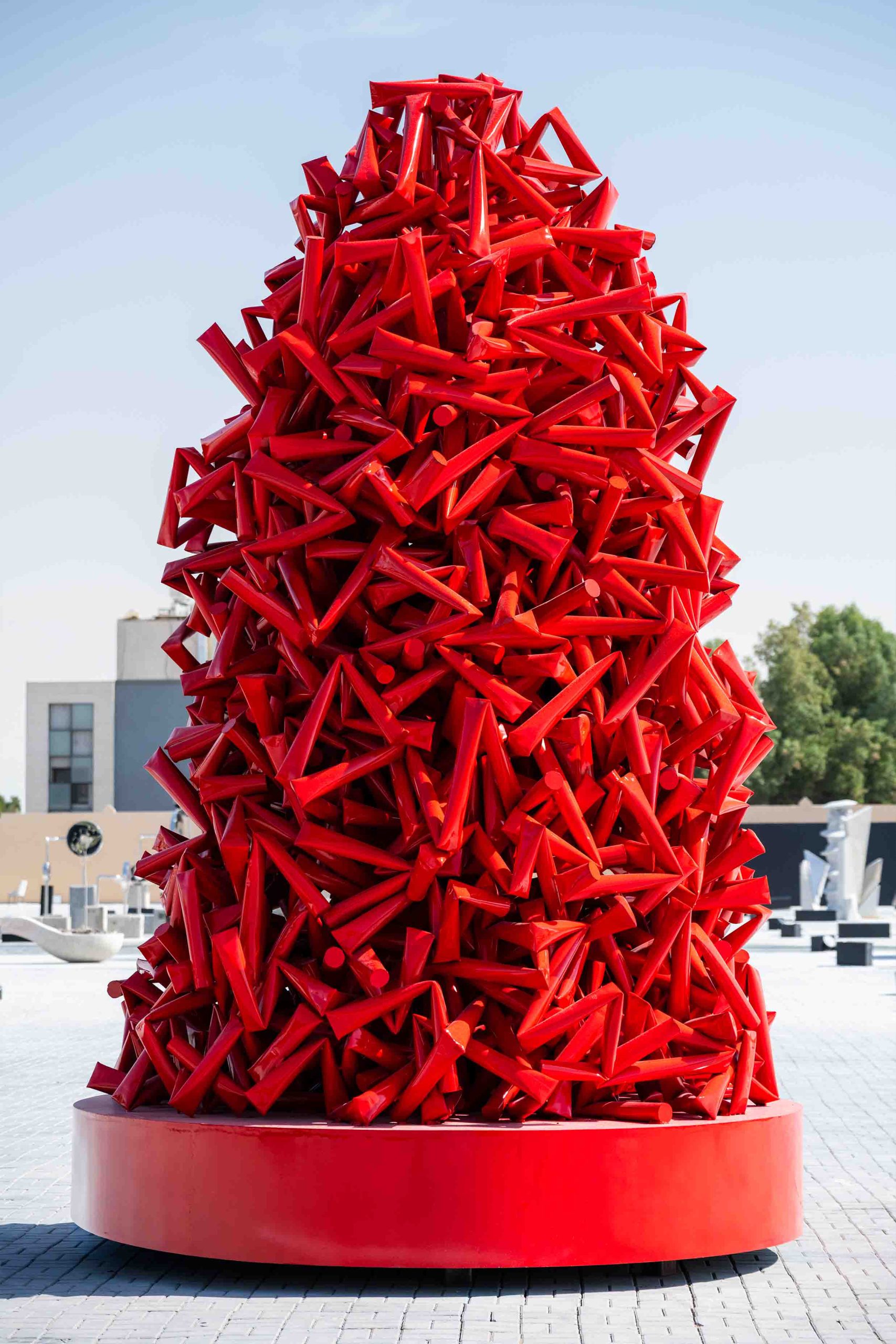
The regional and international cohort further expands the dialogue. Artists from the UAE, Bahrain, Palestine, Iraq, Pakistan, Japan, Ghana, Poland, Lithuania, Iran, Italy, Chile, the United States, and beyond collectively map a global sculptural discourse onto Riyadh’s urban fabric. The symposium ultimately operates as a carefully tuned civic intervention, embedding contemporary sculpture within the lived experience of the city.
As with previous editions, every work will enter the permanent Riyadh Art Collection. Since its launch in 2019, Tuwaiq Sculpture has engaged more than 170 artists, with dozens of works already integrated into the daily rhythms of the capital. As the 2026 sculptures migrate from Al Tahlia to their permanent locations across the city, they will continue to recalibrate how public space is seen, navigated, and inhabited.
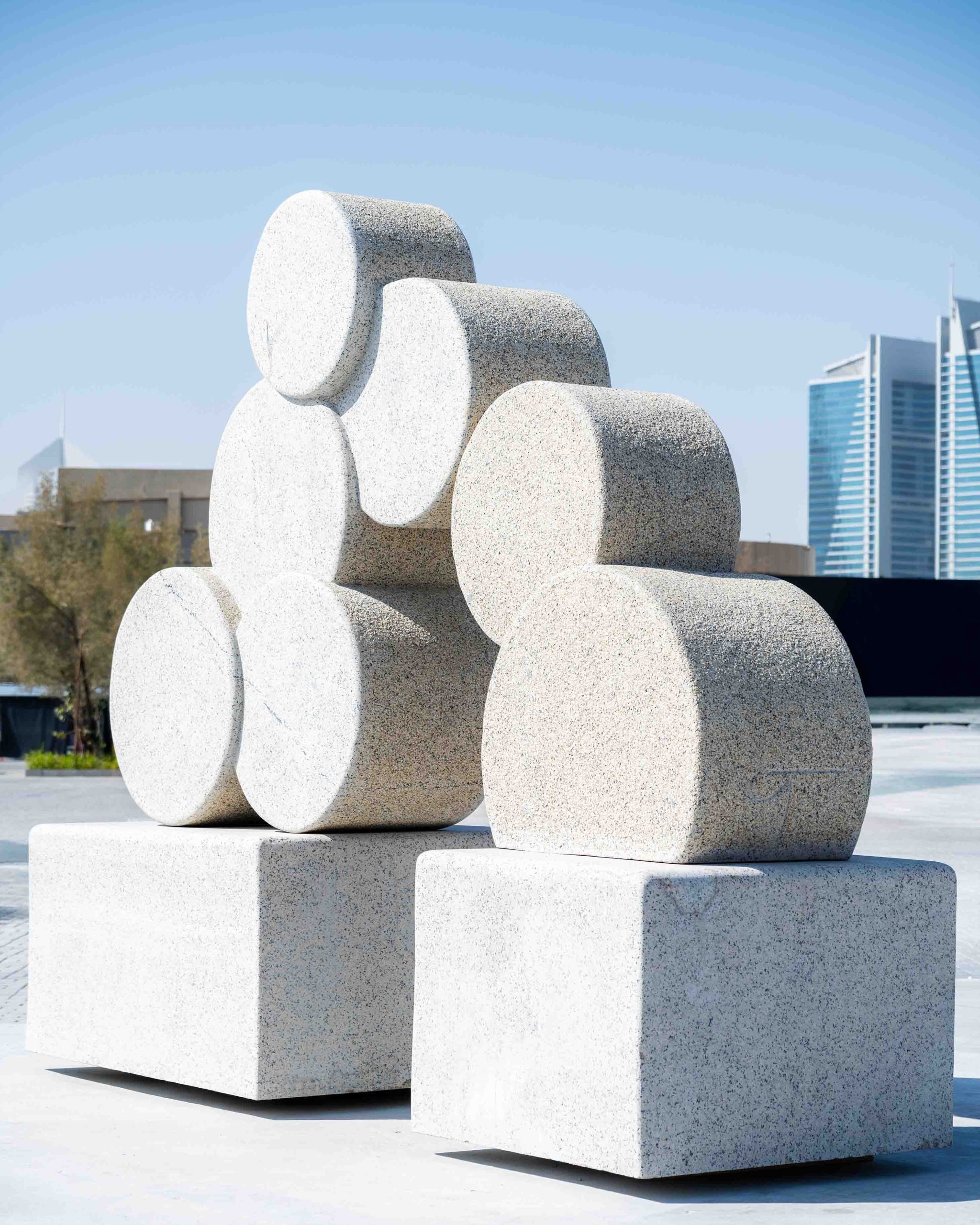
In this sense, Tuwaiq Sculpture 2026 moves beyond the production of discrete objects to engage directly with the spatial future of the capital. Across Riyadh, these works begin to recalibrate the visual and material language of the city, embedding sculpture within the lived experience of an Arab metropolis in accelerated transformation.