UNITED ARAB EMIRATES
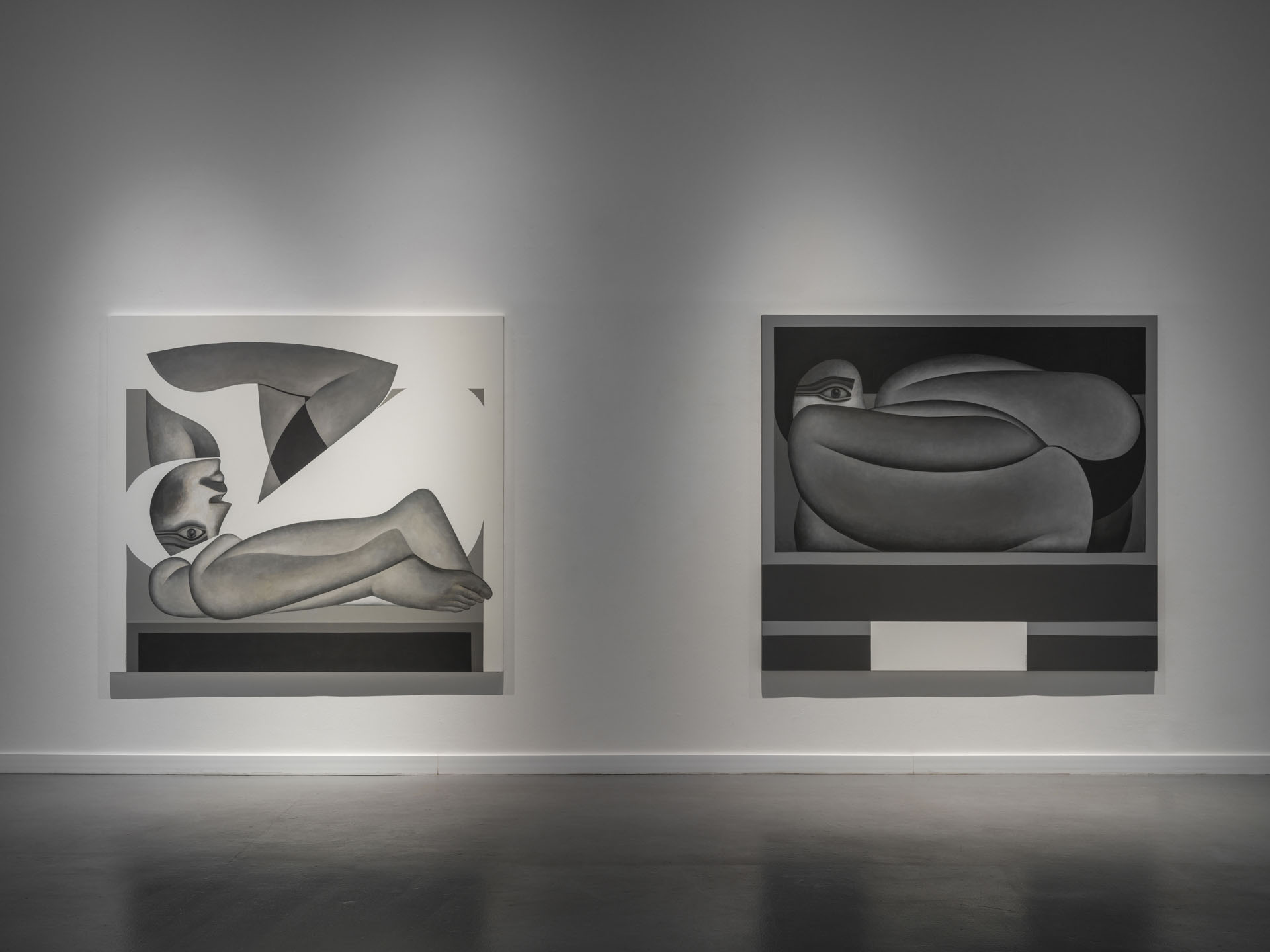
Presented at Dubai’s Ayyam Gallery, The Eye: An Aperture Into the Soul (13 May – 4 July 2026) brings together a new body of monochromatic paintings by Syrian artist Safwan Dahoul. Continuing his long-running Dream series, Dahoul compresses his familiar interior spaces into enclosed, box-like chambers inhabited by solitary figures suspended between confinement and disclosure. Through muted palettes and psychologically charged compositions, the exhibition reflects on alienation, exhaustion, memory, and the fragility of interior life. Drawing from Cubism, Symbolism, and Arab modernism, Dahoul’s paintings transform the room into both refuge and prison, while the recurring motif of the eye becomes a threshold through which suppressed emotional states briefly emerge.
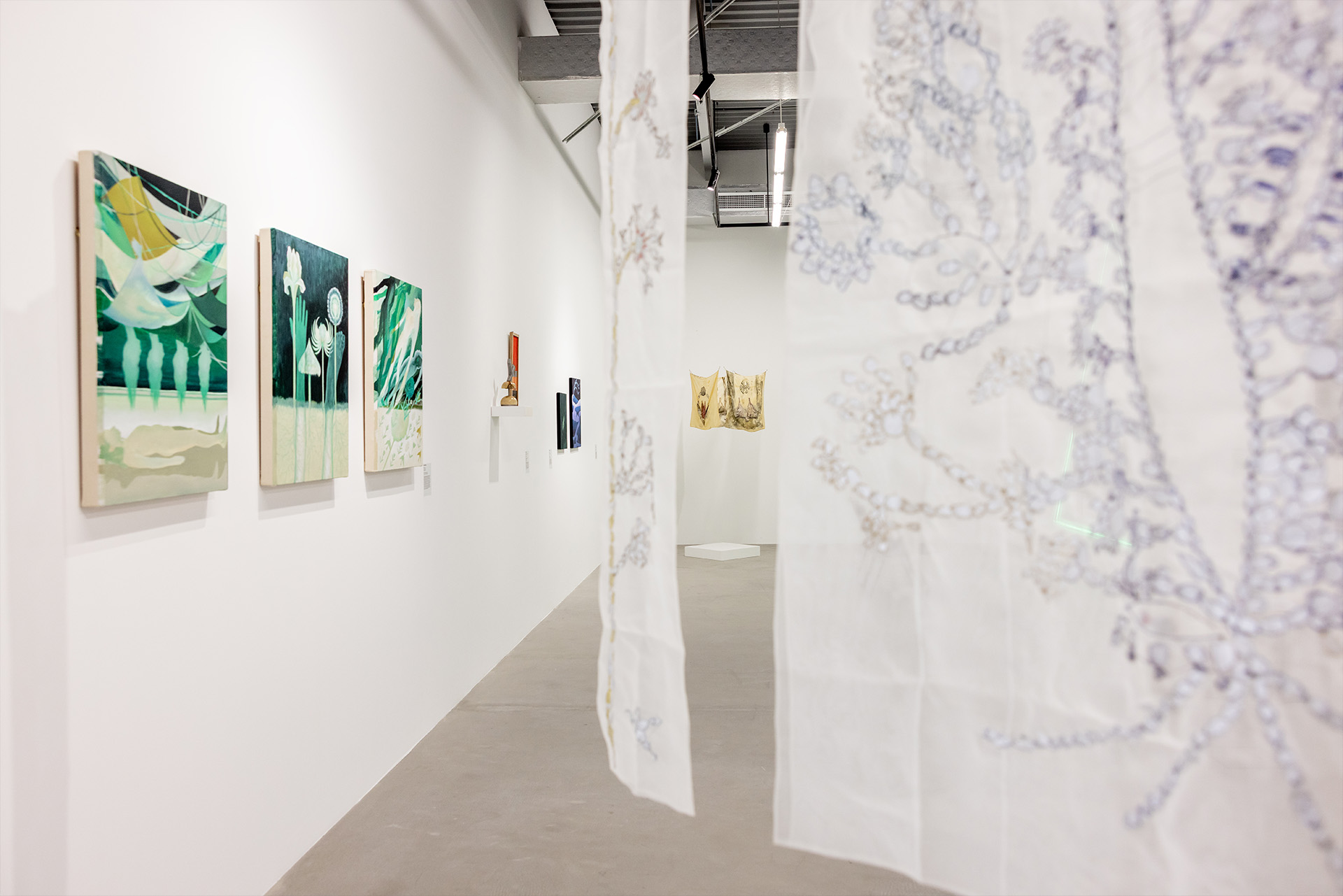
Dubai’s Dom Art Projects hosts two concurrent exhibitions. Time That Grows Slowly (until 13 September 2026), curated by Alexander Burenkov, reflects on vegetal forms of temporality and ecological interdependence through site-specific installations, sculpture, and multimedia works. Bringing together artists including Maha Alasaker, Tabita Rezaire, and Sulafa Mohammed, the exhibition explores care, postcolonial ecologies, and interspecies communication. Running concurrently, Petr Kirusha’s solo exhibition, Every moment is a fresh beginning (13 May – 13 September 2026), presents drawings, paintings, and works on paper developed during his residency amid heightened geopolitical tensions, documenting Dubai’s changing urban landscape and the psychological atmosphere surrounding the city during this period.
Collage Art Exhibition (16 May – 31 August 2026), curated by Nora Qudah, at Dubai’s Kutubna Cultural Center, examines collage as a contemporary language for negotiating memory, migration, identity, and belonging. Bringing together over seventy physical and digital works by artists from twenty-six countries, the exhibition highlights collage’s layered and experimental nature through paper assemblage, video, textile interventions, and digital compositions. Participating artists include Mariam bin Hammad, Batool Khalifa, Mohammad Danyal Zaheer, and Vera Volodina, whose works reflect on spirituality, displacement, environmental change, and cultural continuity through fragmented visual narratives.
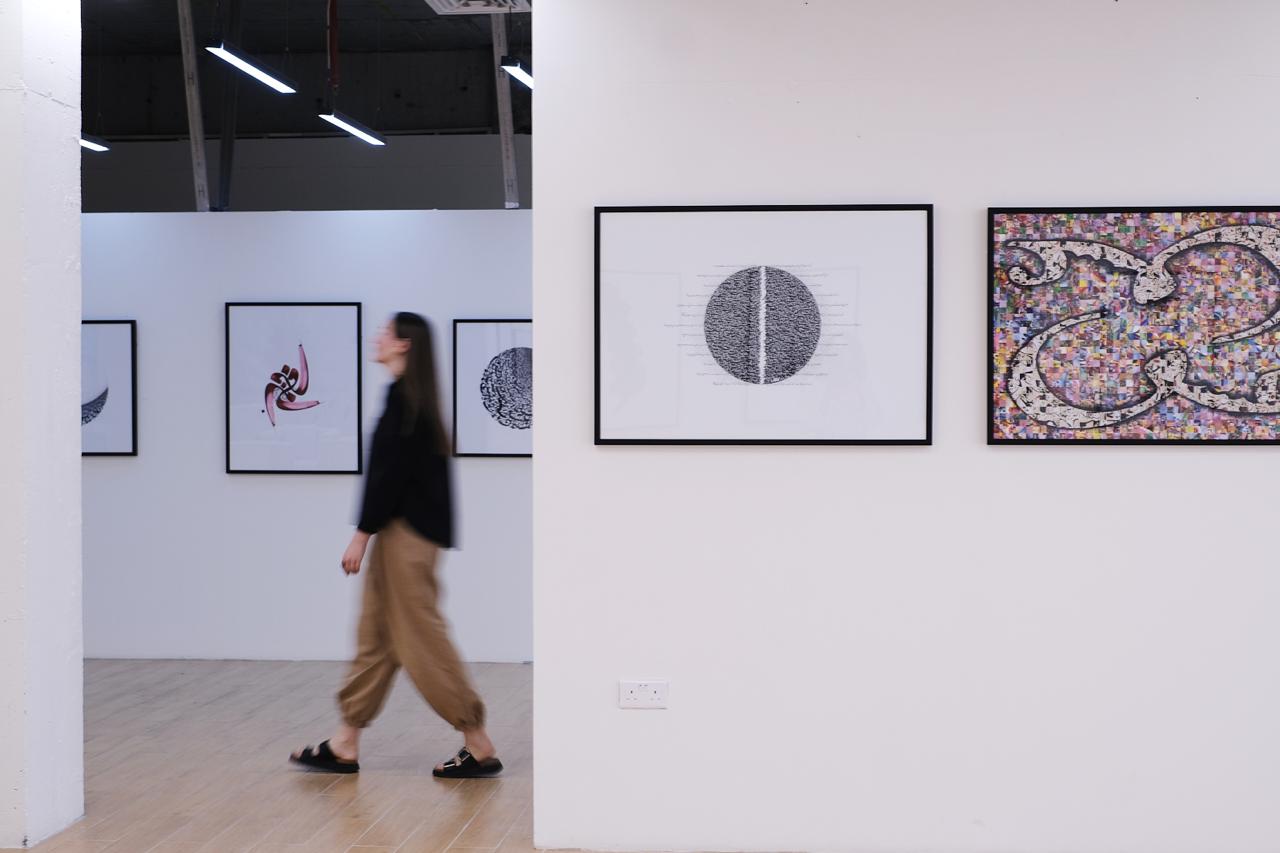
At Tabari Artspace, Same Air (11 May – 1 September 2026) gathers fourteen Gulf-based and Gulf-connected artists responding to a shared moment of regional disruption. Spanning painting, installation, drawing, and mixed media, the exhibition foregrounds works produced instinctively and without curatorial prescription, allowing emotional and political atmospheres to shape their forms. Presented both online and in the gallery, the exhibition functions as a living archive of collective uncertainty and embodied experience. Though united by geography and circumstance, each artist processes pressure differently, producing works that remain unresolved, fragmentary, and deeply personal while reflecting on the conditions of creating within the same temporal and spatial climate.
LEBANON
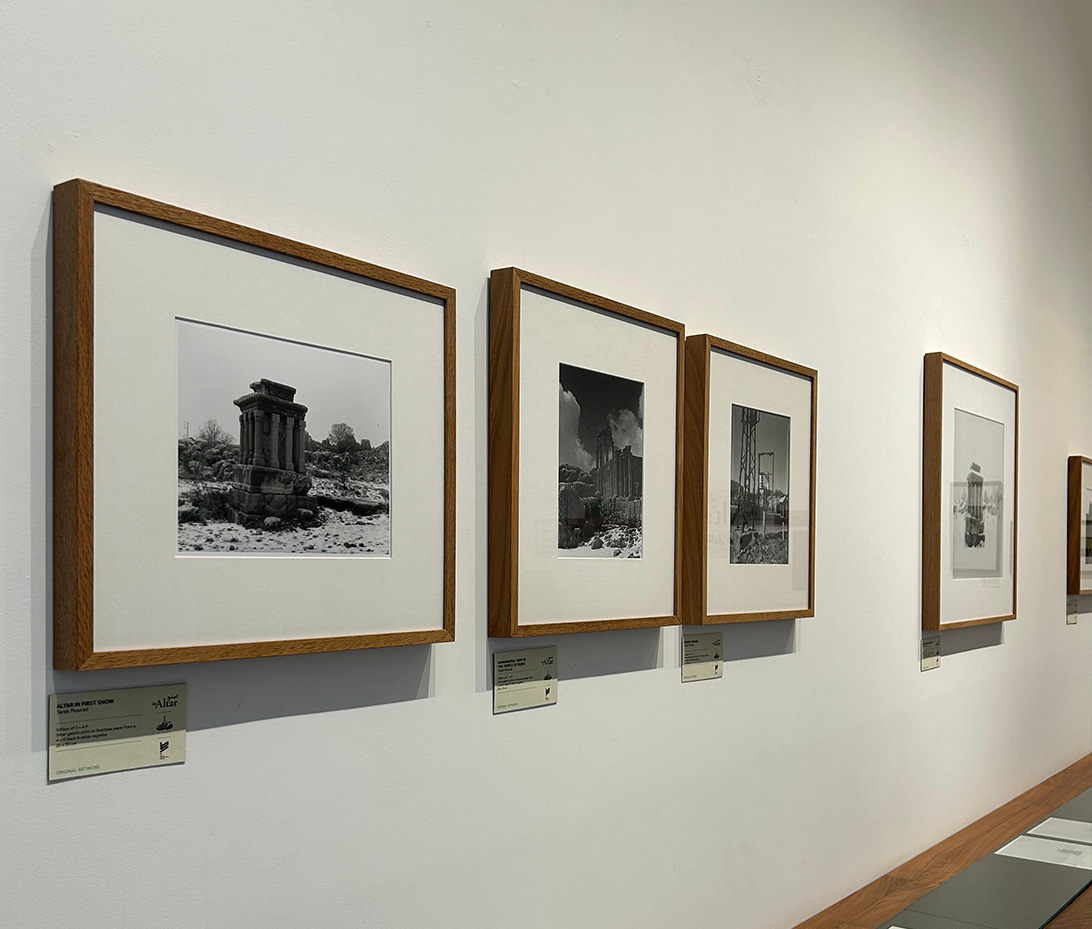
Beirut’s Difaf Gallery in collaboration with Beirut Printmaking Studio, hosts The Altar (14–31 May 2026) by Tarek Mourad revisits the enigmatic Small Altar site through analogue photography and printmaking. Initially encountered by the artist on Lebanon’s former 250 lira banknote, the altar becomes a point of inquiry into memory, monumentality, and historical uncertainty. Mourad’s images shift according to light and season, while the printmaking process symbolically reintroduces the site into public circulation. Moving between documentation and speculation, the exhibition reflects on how fragile archaeological traces become embedded within collective memory, questioning authenticity, reconstruction, and the unstable relationship between image, history, and place.
QATAR
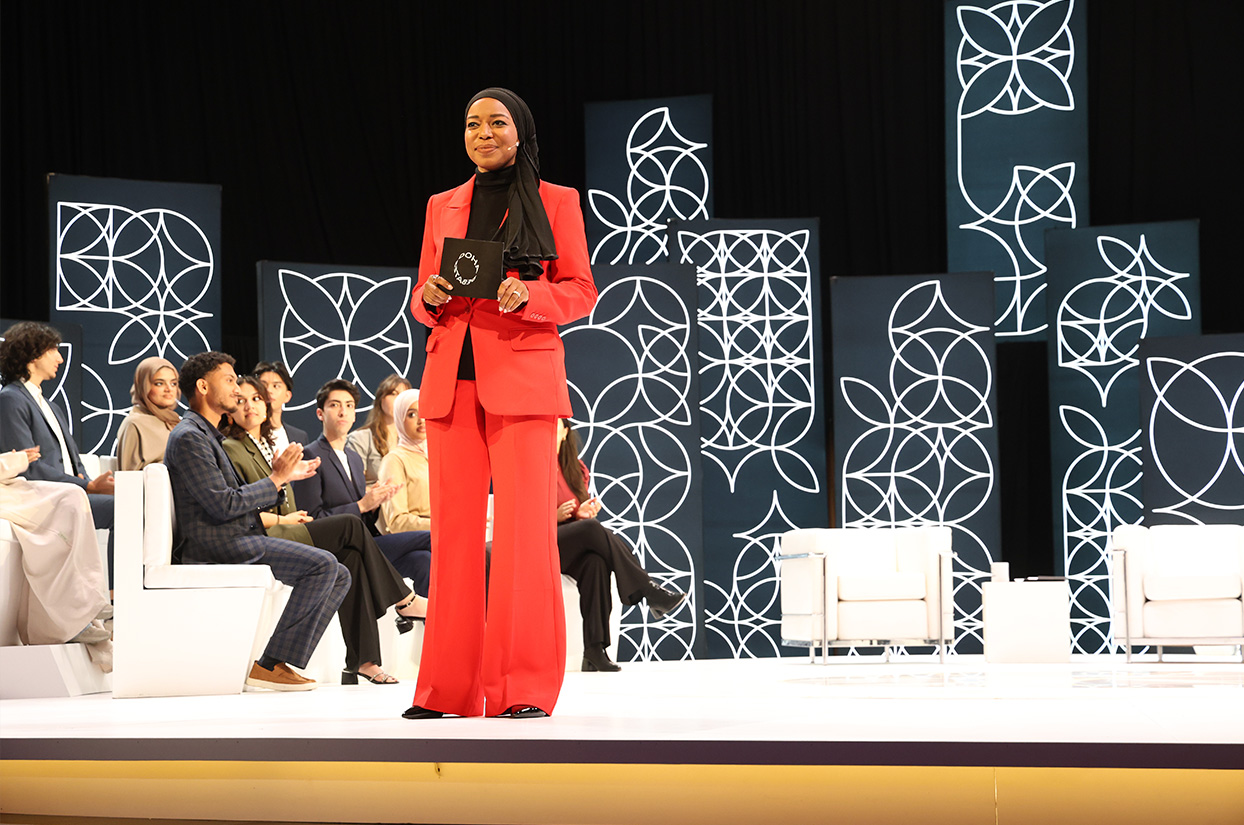
As part of the Years of Culture initiative, the Qatar Canada and Mexico 2026 Year of Culture programme unfolds across Canadian cities through exhibitions, fashion, public art, literature, film, and dialogue. Developed in partnership with institutions including Qatar Museums, Doha Debates, M7, and Qatar National Library, the programme examines the intersections of culture, sport, and international exchange ahead of the 2026 FIFA World Cup. Highlights include helmet designs by Qatari illustrator Ghada Al Suwaidi for Formula One driver Pierre Gasly, M7’s collaboration with Fashion Art Toronto, and JEDARIART’s participation in Montreal’s MURAL Festival through new works by calligraffiti artist Fatima Al-Sharshani.
THE WORLD
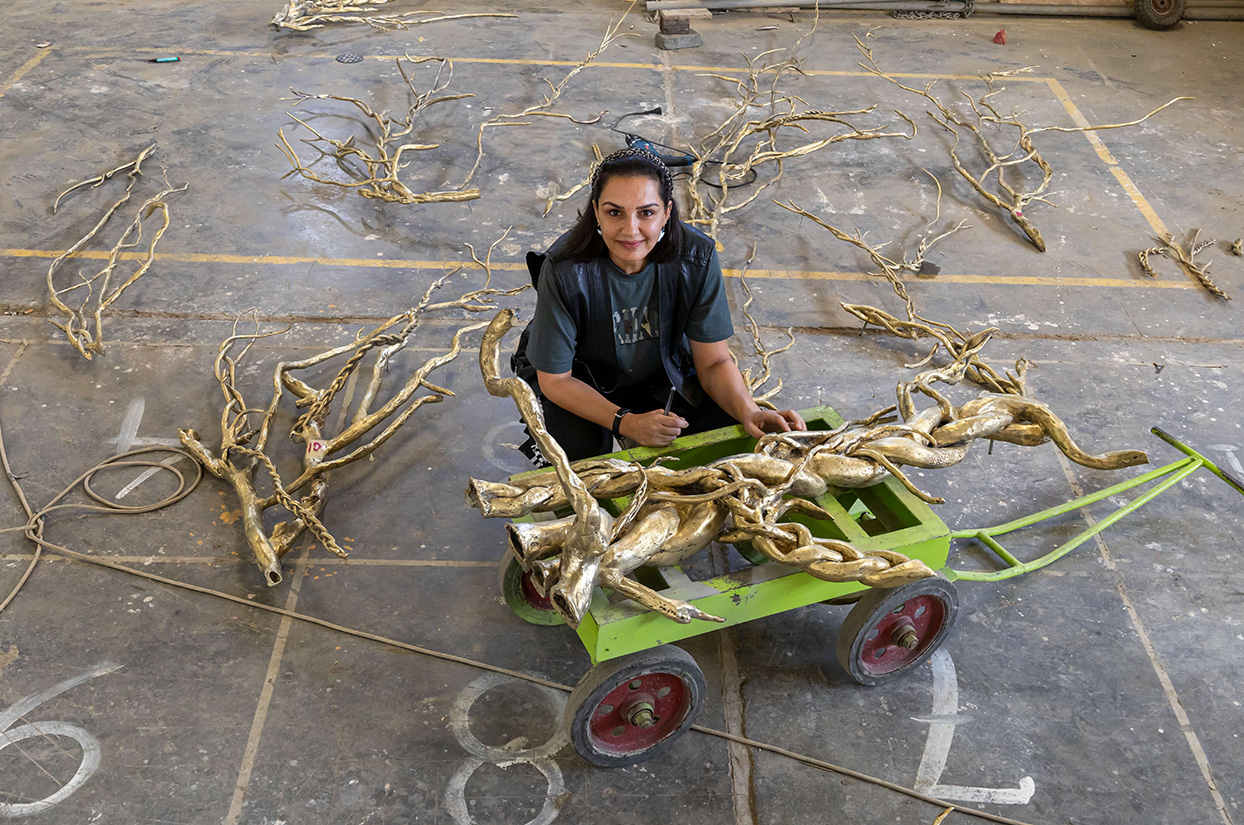
At Art Basel Statements 2026, Dubai-based Egyptian artist Hana El-Sagini presents Plot Twist with Gypsum Gallery. The solo booth features a sculptural installation of braided bronze forms and wall reliefs that branch across the exhibition space, reflecting on illness, endurance, and regeneration. Drawing from personal experiences during breast cancer treatment, El-Sagini transforms hair into a recurring motif symbolising vulnerability, care, and resilience. Moving between sculpture, installation, and painting, the artist employs bronze in an unusually subdued manner, rejecting monumentality in favour of fragile, bodily forms that hover between organic growth and emotional exhaustion.
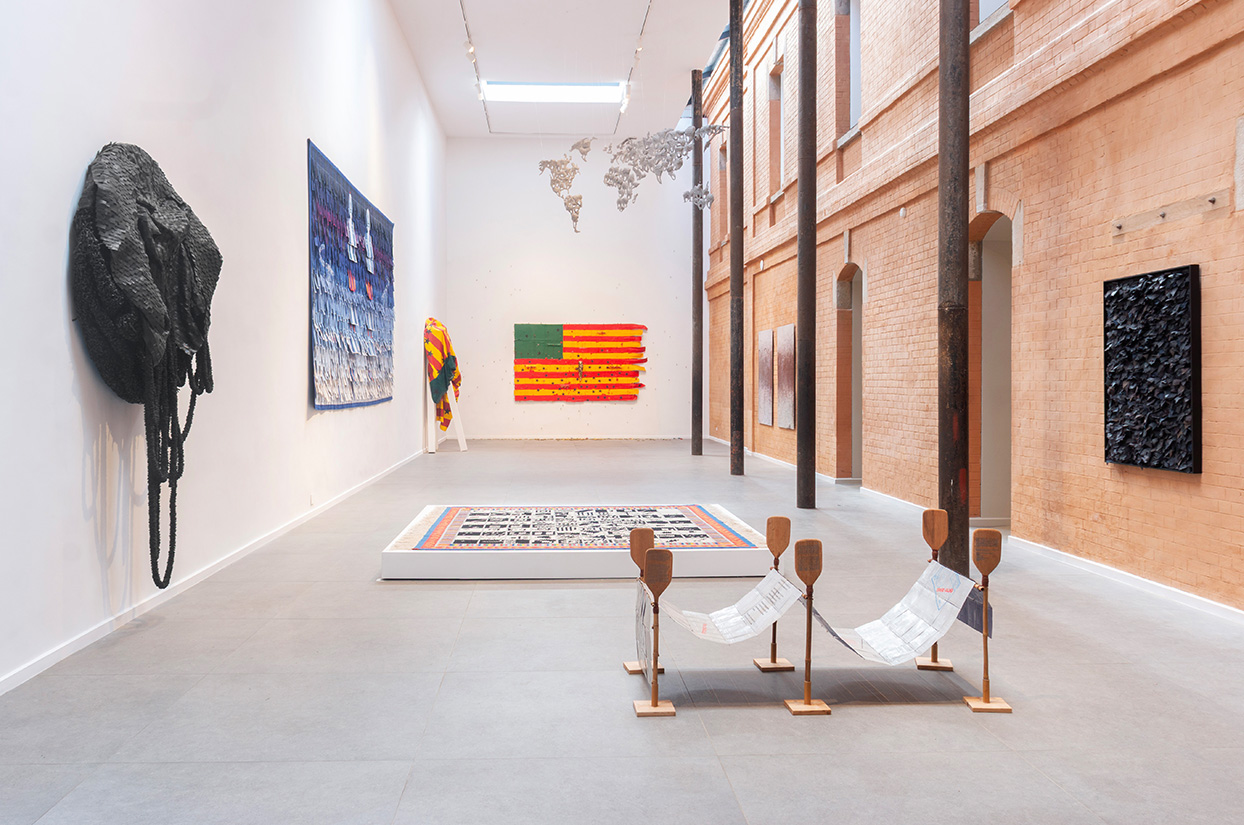
Presented at Fondation H in Madagascar, Kabarin-javakanto: a reading of Collection Fondation H. (24 April – 17 October 2026), curated by Abdellah Karroum, reinterprets the foundation’s collection through the structure of kabary, the ancestral Malagasy art of oratory. Bringing together over fifty works by forty-one artists including El Anatsui, Ahmed Mater, Otobong Nkanga, and Shahzia Sikander, the exhibition explores historical memory, postcolonial narratives, spirituality, and social transformation. Structured across three thematic chapters, the exhibition examines how contemporary African and diasporic artistic practices engage political realities while imagining alternative futures.
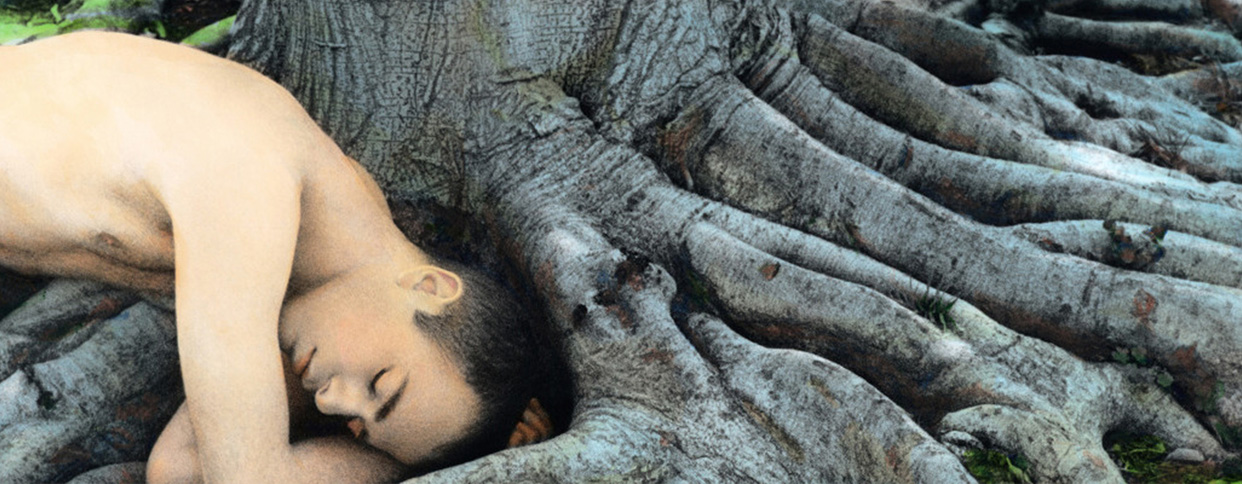
At Musée d’Orsay, Paris, To Dream Again (19 May – 13 September 2026) marks the first intervention by Franco-Egyptian artist Youssef Nabil within the museum’s Orientalist galleries. Combining hand-coloured silver gelatin photography and video works, the exhibition traces Nabil’s ongoing dialogue with Orientalist and Symbolist painting traditions that have informed his practice since his first visit to the museum in 1992. Exploring themes of exile, nostalgia, sensuality, and rebirth, Nabil constructs dreamlike Mediterranean worlds suspended between memory and fantasy. Through carefully staged portraits and cinematic atmospheres, the artist reclaims Orientalist aesthetics while reimagining them through contemporary Arab subjectivities and personal mythology.
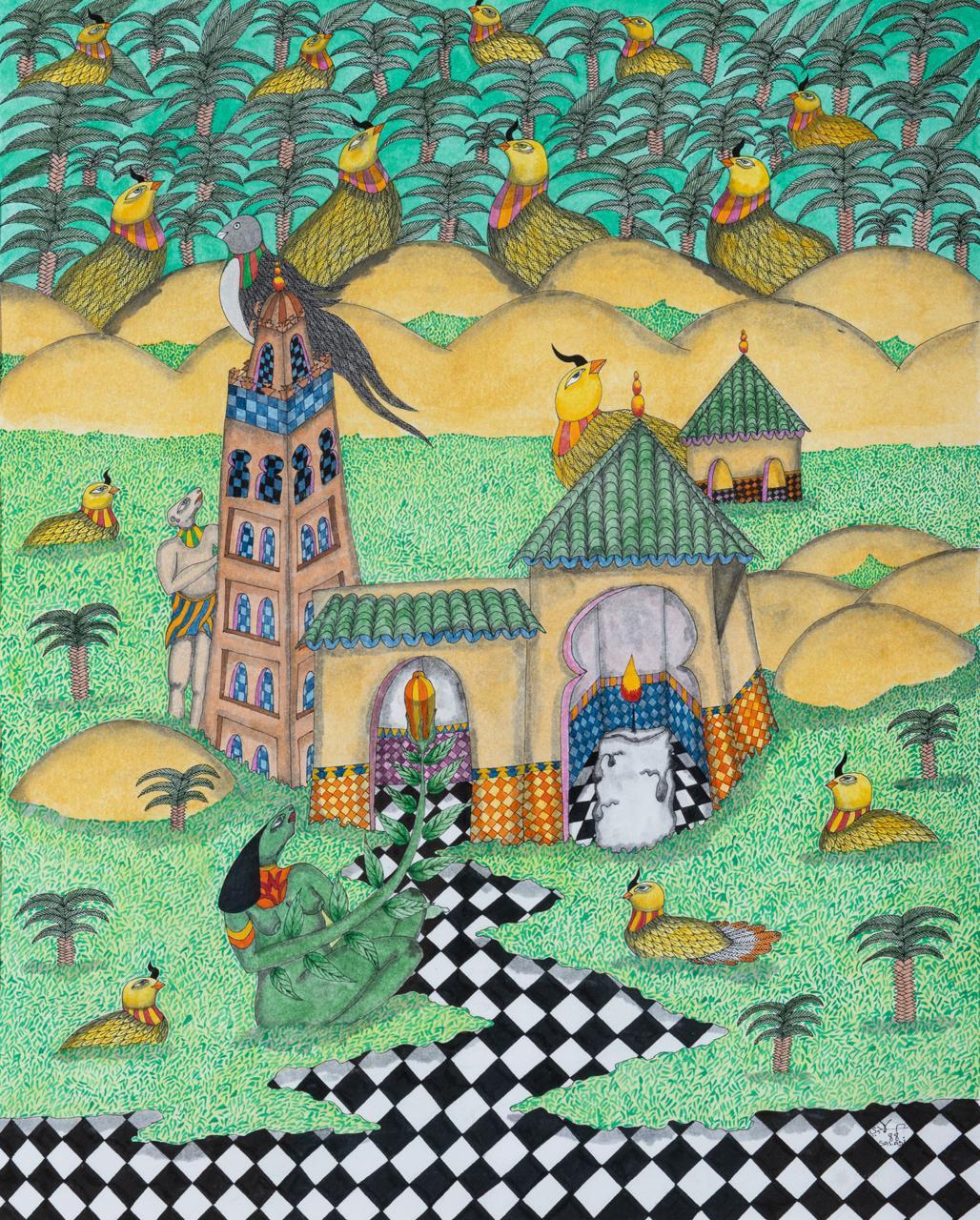
Abbès Saladi, L’Odyssée Mystique (23 May – 25 June 2026) at Comptoir des Mines Galerie, Marrakech, revisits the work of Moroccan artist Abbès Saladi through works gathered from major private collections. The exhibition retraces key moments in Saladi’s artistic trajectory, foregrounding his deeply introspective and spiritually charged visual language. Emerging from experiences of fragility, isolation, and psychological struggle, Saladi’s paintings transform the visible world into symbolic and visionary compositions where mythology, spirituality, and urban memory intersect. Conceived as both homage and rediscovery, the exhibition highlights the singular place Saladi occupies within Moroccan art history while reflecting on the enduring emotional and metaphysical power of his imagery.