LEBANON
Beirut Art Days returns from 24 until 27 June 2026 with a citywide programme that reaffirms the role of culture within Lebanon’s public life. Organised by Agenda Culturel under the patronage of the Lebanese Ministry of Culture, the initiative brings together more than 120 events and over 40 participating institutions across Beirut and beyond under the theme Art Is Our Capital. Exhibitions, performances, talks, screenings, concerts, guided tours and workshops unfold simultaneously, encouraging audiences to create their own itineraries while highlighting the breadth of the country’s artistic ecosystem.
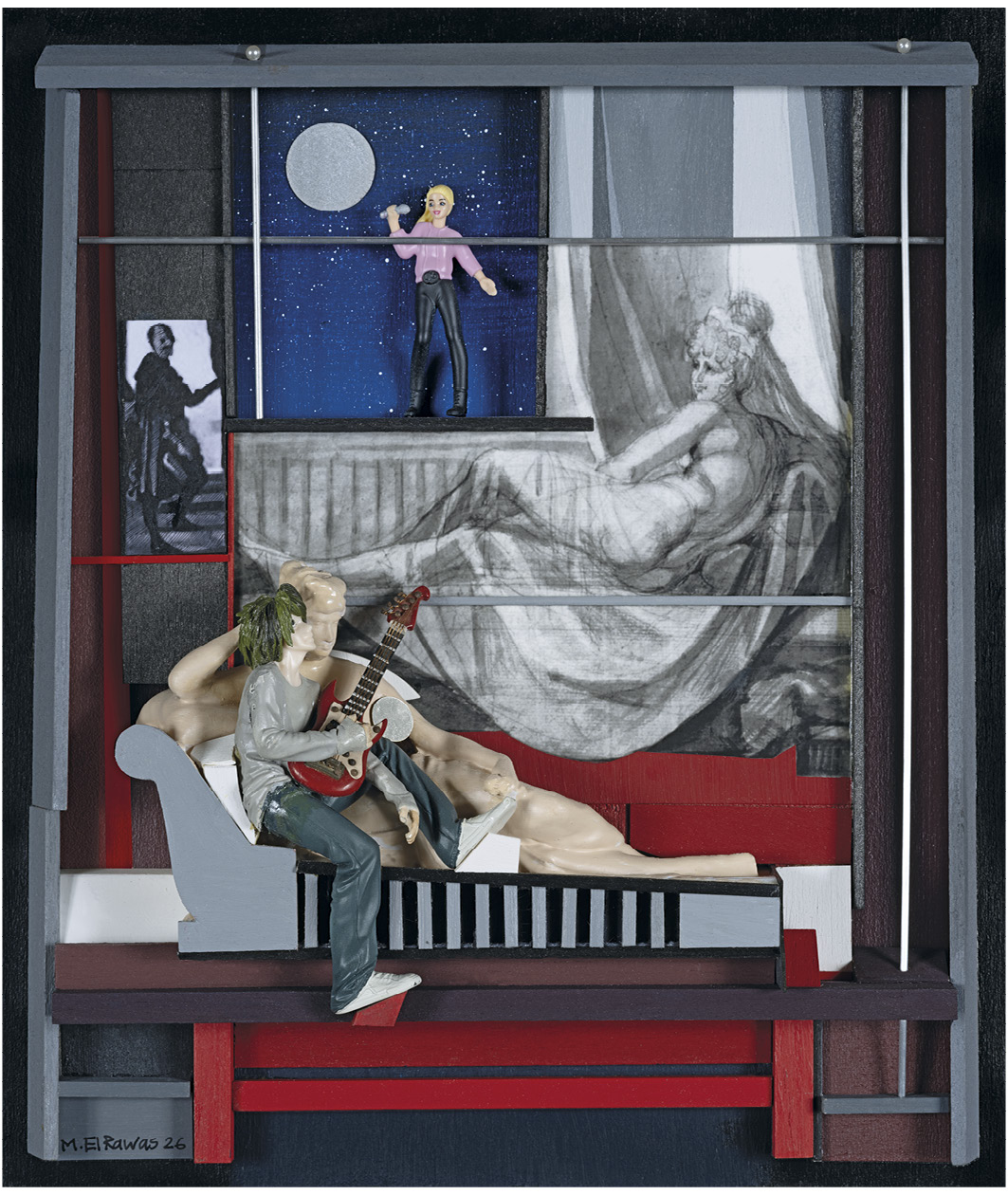
Among this year’s programme is a collective exhibition at Mark Hachem Gallery, bringing together modern and contemporary artists including Chafik Abboud, Paul Guiragossian, Nadim Karam, Ghazi Baker, Hussein Madi, and Hussein Baalbaki in a dialogue across generations. Agial Art Gallery presents Parallel Lines, exploring diverse artistic practices through carefully staged visual conversations, while Saleh Barakat Gallery hosts Mohammad El Rawas’s Stop Making Sense, where assemblage, painting and photography investigate memory, time and image-making.
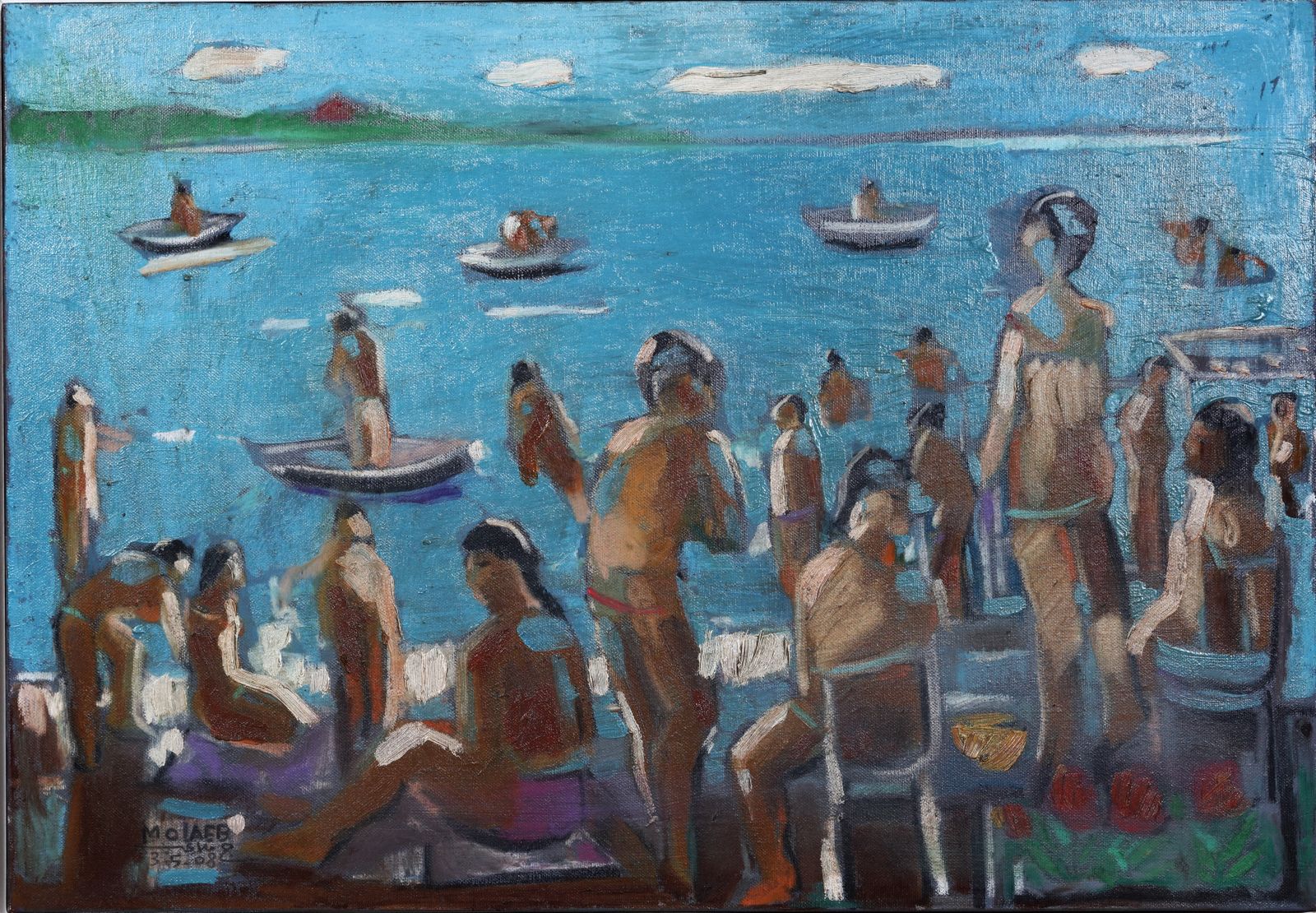
The nation wide art programme also includes Art Scene Gallery’s La Mer – a group exhibition that reflects on Lebanon’s enduring relationship with the Mediterranean. Over at Galerie Janine Rubeiz Collector’s Choice, launches the first chapter of an exhibition that will unfold over 2 years featuring works by artists including Samir Abi Rached, Huguette Caland, Chaouki Chamoun, Paul Guiragossian, Mansour el Habre, Joseph Harb, Halim Jurdak, Elie Kanaan, Helen Khal, Charles Khoury, Mohammad El Rawas, Aref el Rayess, and Raouf Rifai among others. While at Galerie Tanit, Poetic Landscapes celebrates the country’s varied geography through works by artists including Zena Assi, Ziad Antar, Khalil Joreige and Joana Hadjithomas, Ghassan Zard, Hind Nasser, Samia Osseiran Junblat, and Rania Matar. Wisp Art Space contributes Céline Al Shalah’s charcoal portrait exhibition Forms of Silence, adding another perspective to a programme that demonstrates the resilience and diversity of Lebanon’s contemporary art scene.
UNITED ARAB EMIRATES
Paper takes centre stage at CARBON 12 in The Two Walks (4 June – 5 September 2026), a group exhibition bringing together 14 artists selected by curator Judy Karkour. Rather than treating works on paper as preparatory studies, the exhibition positions the medium as a complete artistic language capable of carrying memory, experimentation and personal reflection. Its title evokes a metaphysical passage between worlds, suggesting multiple lives, unseen journeys and acts of resistance against conformity.
The selection spans drawing, collage, printmaking and mixed-media practices, demonstrating the versatility of paper across generations and artistic approaches. Sarah Almehairi constructs layered collages that dismantle and rebuild systems, while Faris Alshafar translates sensory memories into rhythmic abstractions. Olaf Breuning contributes characteristically humorous drawings, and André Butzer presents a rare pencil work created during his celebrated N-Paintings period. Elsewhere, Bernhard Buhmann examines the tension between individuality and collective structures, Nadine Ghandour reflects on accelerated urban development, and Monika Grabuschnigg uses floral imagery to contemplate mortality. Amir Khojasteh, Nour Malas, Solimar Miller, Philip Mueller, Mayar Obedo, Edgar Orlaineta and Amba Sayal-Bennett further expand the exhibition through practices rooted in ecology, memory, displacement, abstraction and material experimentation. Together, the works reveal paper as a medium of intimacy and invention, capable of holding finished ideas rather than preliminary gestures.
KINGDOM OF SAUDI ARABIA
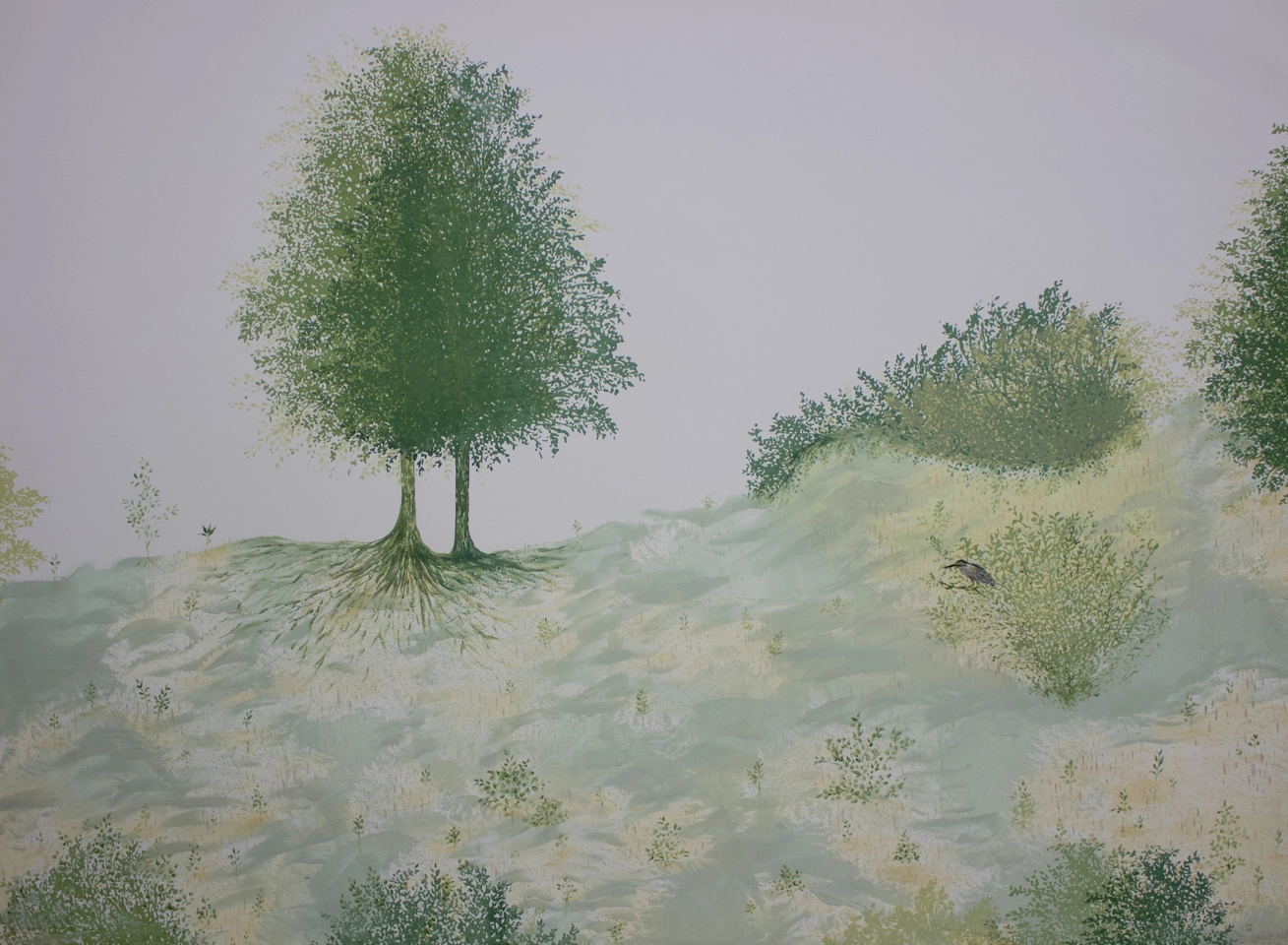
ATHR Gallery’s summer programme at JAX District brings together two distinct solo exhibitions that examine the relationship between people, place and the environment. Syntax of the Ever-Changing (20 May – 20 August 2026) marks a major presentation by newly represented Saudi artist Abdullah Al Othman, whose multidisciplinary practice draws on sculpture, assemblage, photography and found materials to investigate the changing fabric of urban life.
Originally trained as a writer and poet, Al Othman approaches discarded wood, rusted metal, concrete, archival photographs and industrial remnants as carriers of memory, transforming them into layered compositions that blur the boundaries between painting, sculpture, and artefact. Works including Time Consents to Be Held, In the Residue of Rust and In the Hues of Patination consider architecture as a living archive shaped by labour, erosion and time.
Running concurrently, Sensitivity of the Ruins (20 May – 20 August 2026), curated by Rania Majinyan, presents new paintings and sculptures by Hatem Al Ahmed. Addressing ecological degradation and environmental fragility, the exhibition reflects on landscapes marked by pollution and decay, where ruined forms become reminders of the delicate balance between nature and human intervention.
THE WORLD
Art Basel concluded its 2026 edition after welcoming 90,000 visitors, bringing together 290 galleries from 43 countries and more than 270 museums, foundations, and collectors from 103 countries. Strong sales across market segments, the launch of Basel Exclusive, the European debut of Zero 10, and the second cycle of the Art Basel Awards reinforced the fair’s position as one of the art world’s principal annual gatherings.
Artists and galleries from the Arab region maintained a notable presence across the fair. As one of the Art Basel Awards medalists, Emirati artist Farah Al Qasimi participated in the Conversations programme attracted a record 3,600 participants. Egypt’s Gypsum Gallery presented Hana El-Sagini’s sculptural installation Plot Twist in Statements, while Taha Belal exhibited Unfinished Business (Bonjour je suis en vacances en Espagne), a new carbon transfer works at Basel Social Club examining bureaucracy, media imagery and structures of power.
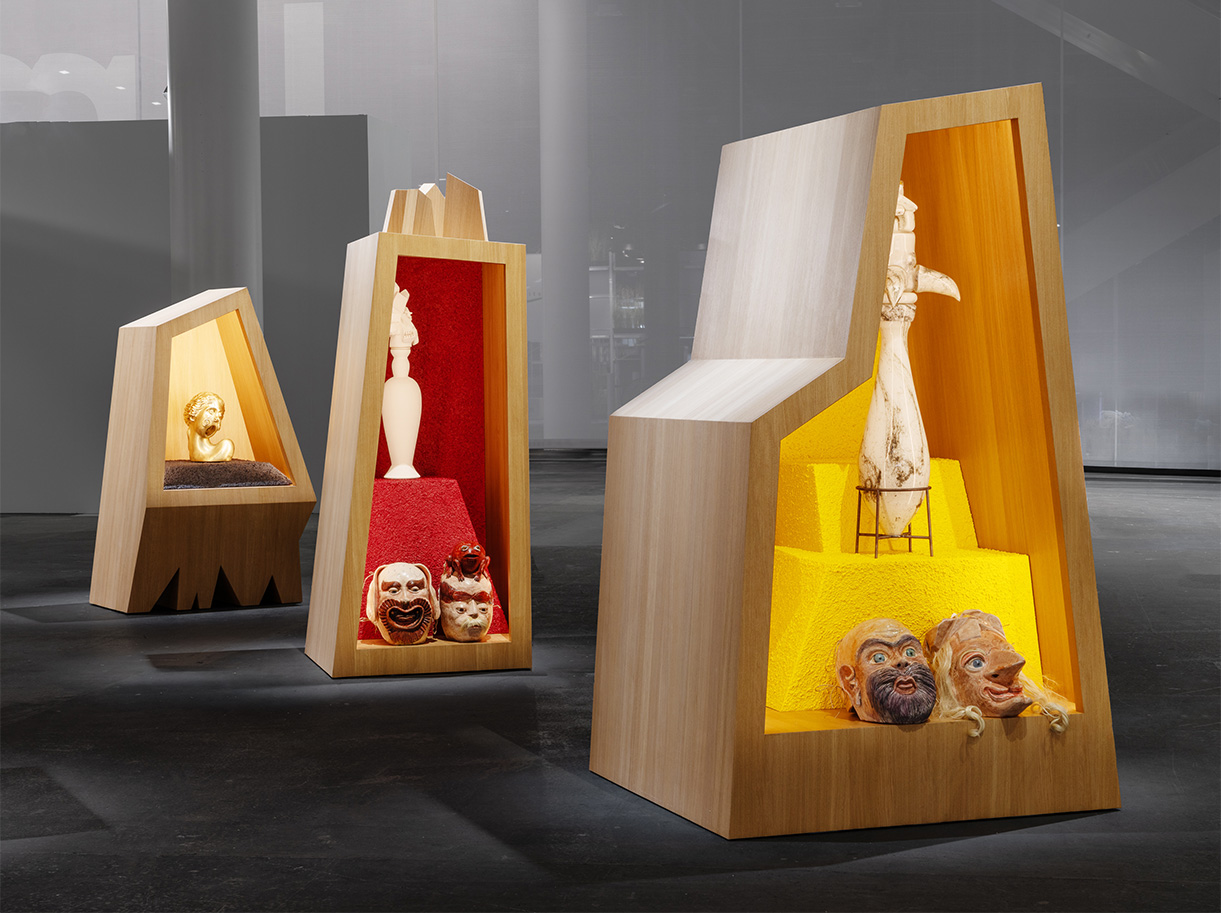
Lebanese gallery Marfa’ Projects showcased Majd Abdel Hamid’s Compositions in Statements, continuing the artist’s exploration of embroidery as a slow, tactile practice rooted in repetition and endurance. Unlimited, curated for the first time by Ruba Katrib, featured Sfeir-Semler Gallery with Wael Shawky’s I Am Hymns of the New Temples, a sculptural installation examining how Greco-Roman myths are transmitted, transformed, and reinterpreted across time and cultures. Closely connected to his 2023 film of the same title, the work blurs historical fact and imagination, questioning the mechanisms through which cultural narratives are constructed and preserved.
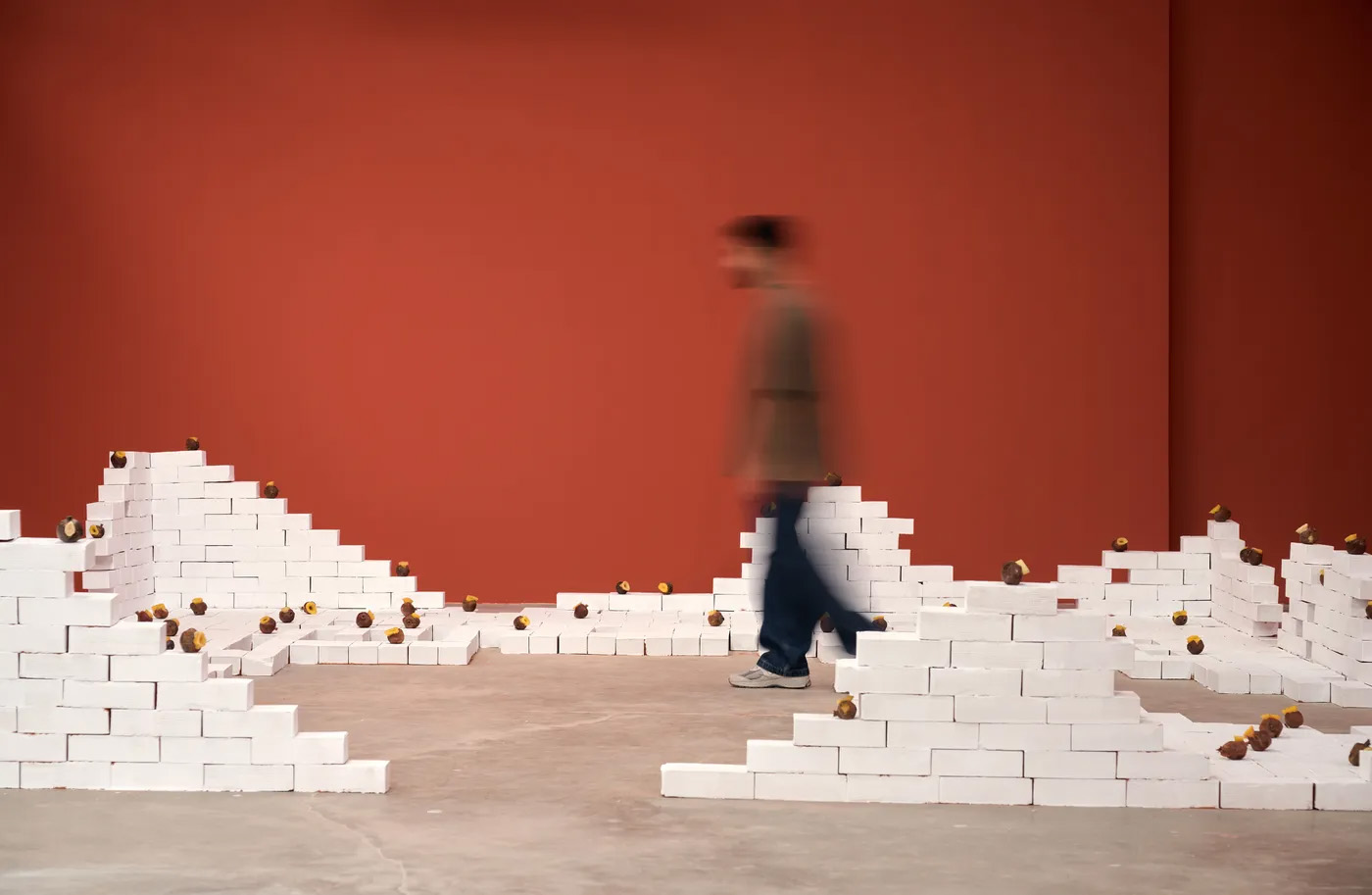
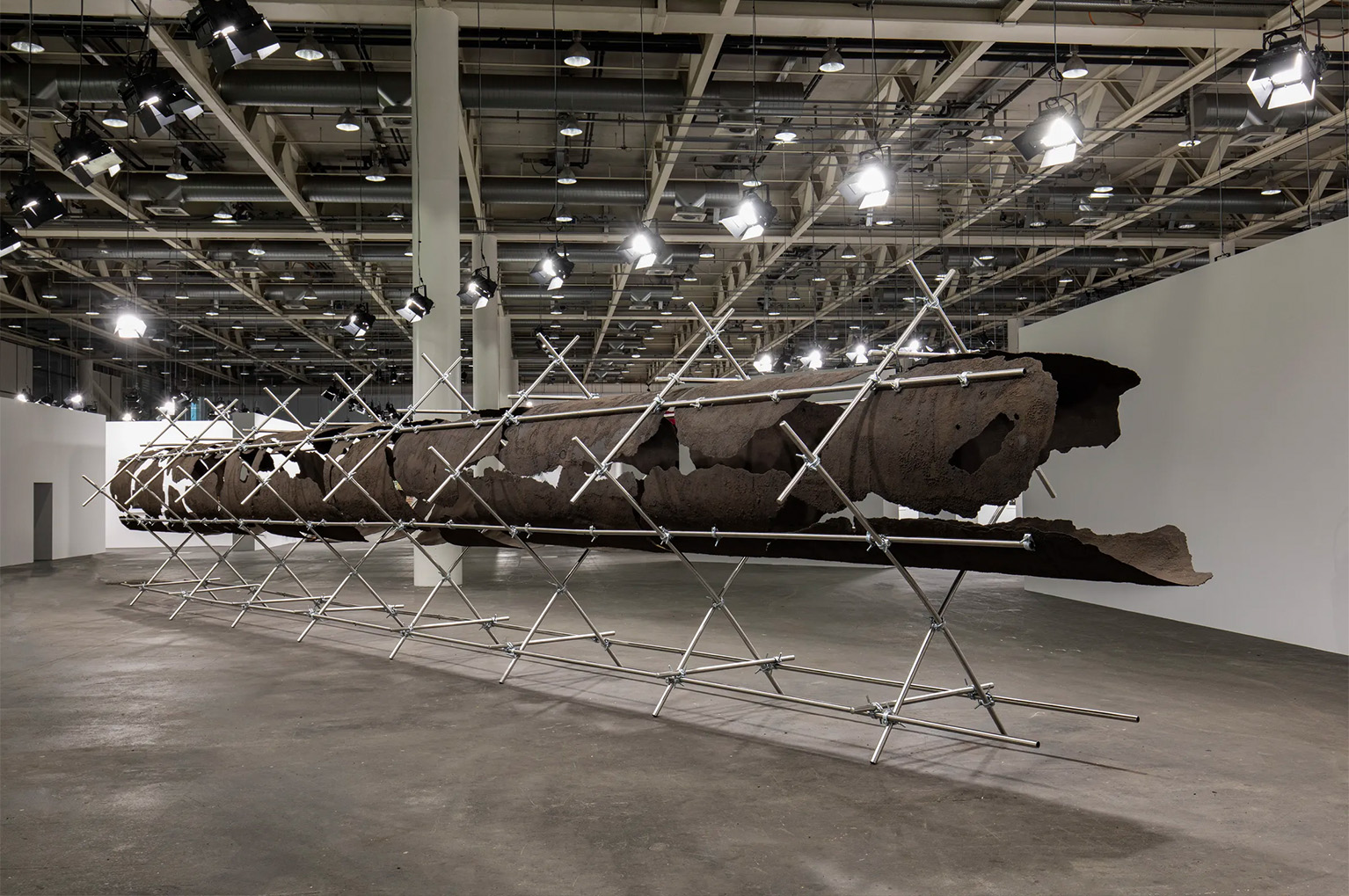
Shawky, who was appointed Artistic Director of the inaugural Art Basel Qatar, exhibited alongside ATHR Gallery’s presentations of Muhannad Shono and Zahrah Alghamdi, both using large-scale installations to examine material transformation, memory and social structures. Shono’s Towers of New Horizons reimagined a fractured tower using reclaimed foundry sand, transforming a traditionally monumental structure into an unstable, participatory form that encourages visitors to move through the work and consider the possibilities that emerge when established narratives collapse. Alghamdi’s Streams Move Oceans reflected on how repeated actions and everyday experiences gradually shape the social, psychological and cultural boundaries that both separate and connect people, while emphasising their fragile and changeable nature. ATHR also participated in the Premiere sector with Ayman Yossri Daydban’s The Nest, an installation that uses light, cut-out forms and empty space to challenge fixed notions of home and origin, offering a contemporary reflection on belonging, roots and identity in an increasingly fluid world.
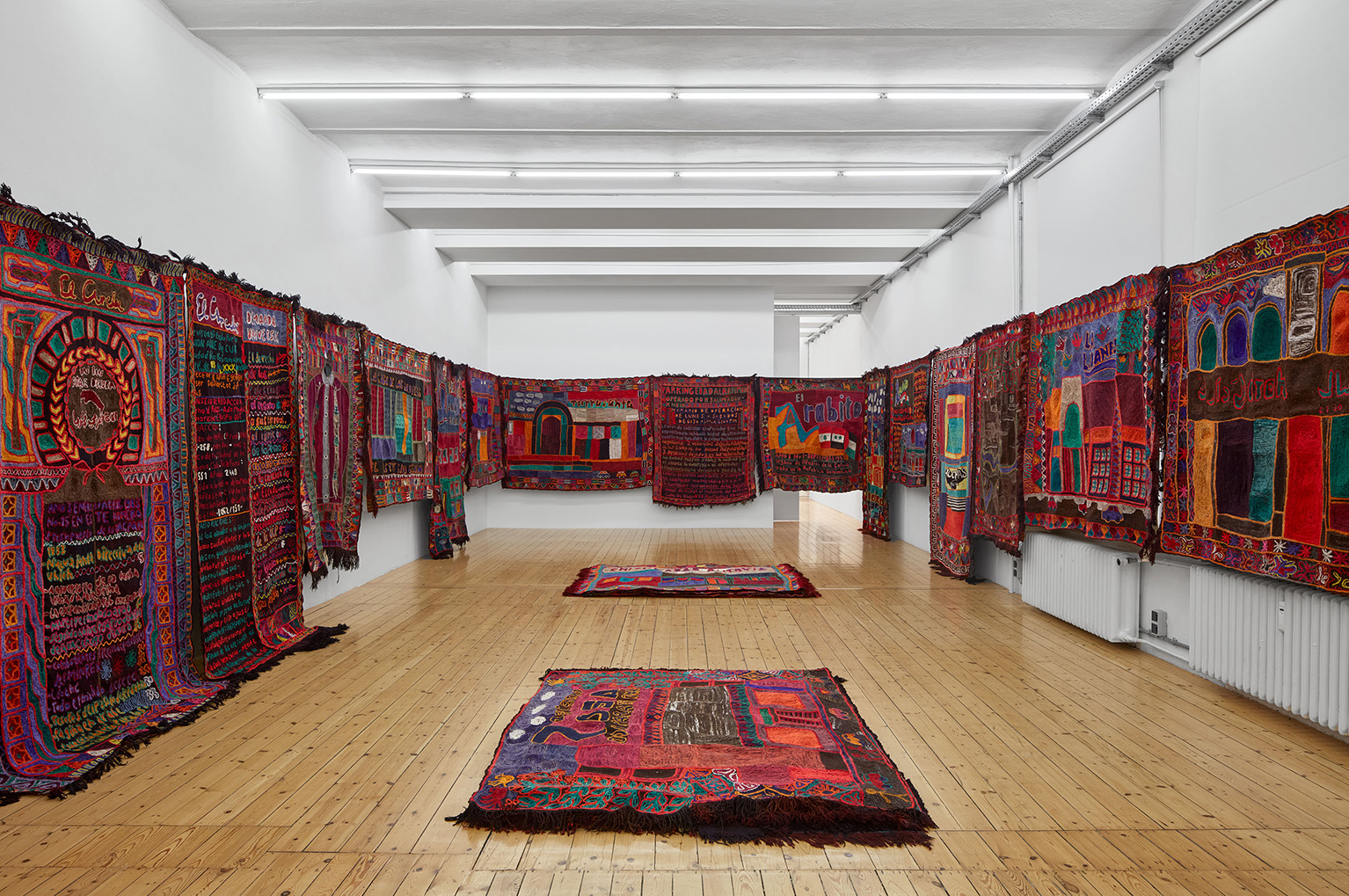
Over in Hamburg, Sfeir-Semler Gallery exhibits Elsewhere in Puerto Rico, República Dominicana & Cuba (22 May – 15 August 2026), Alia Farid’s first solo exhibition at the gallery and her largest presentation of the long-running research project to date. Living and working between Kuwait and Puerto Rico, Farid is known for films, sculpture and installations exploring migration, modernity and collective memory. Developed over more than a decade, the exhibition traces overlooked Arab and South Asian migration routes across Latin America and the Caribbean through photographs, archival material, textiles, and a newly commissioned video. The exhibition includes embroidered works produced in collaboration with a cooperative of eighty weavers in southern Iraq, depicting storefronts, community spaces, recipes and cultural institutions connected to Palestinian, Lebanese, and Algerian diasporas in Puerto Rico, Cuba and the Dominican Republic.
Installed without geographical divisions, the embroidered textiles emphasise shared histories rather than national borders, highlighting solidarities formed through migration while demonstrating Farid’s collaborative approach to storytelling, research and craft.
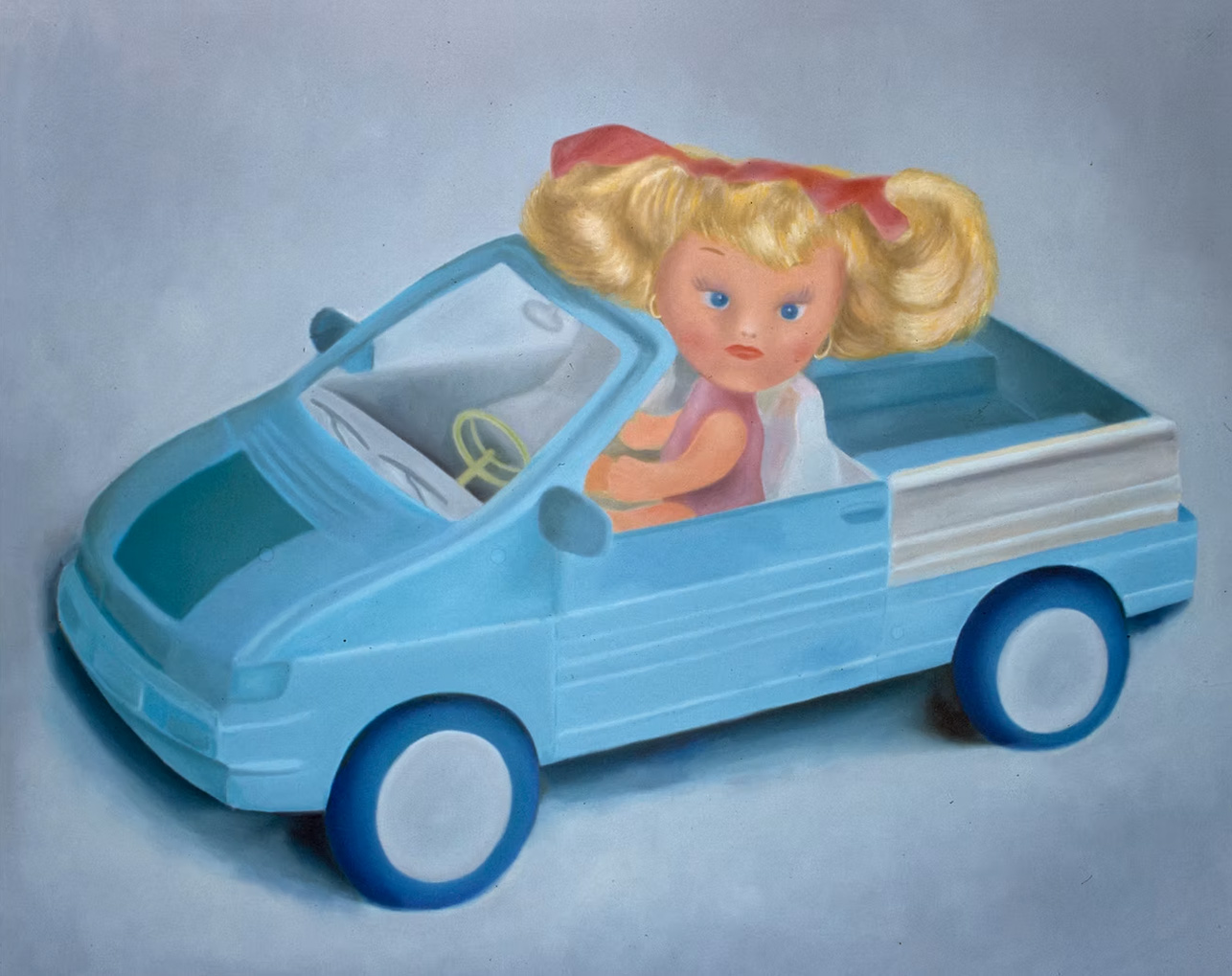
Meanwhile in New York, the Institute of Arab and Islamic Art opens 99¢ (24 June – 25 September 2026), the first institutional solo exhibition in the United States by Iranian-born artist Reza Farkhondeh. Curated by Mohammed Rashid Al-Thani, the exhibition gathers oil paintings and works on paper produced between 1991 and 1996 from the artist’s 99 Cent Objects series. Inspired by inexpensive toys encountered during Farkhondeh’s first visit to the United States, the paintings examine consumer culture, militarism and global manufacturing through carefully rendered depictions of plastic objects. By enlarging mass-produced toys and painting them with meticulous precision, the artist transforms disposable commodities into subjects of sustained contemplation, exposing the ideological messages embedded within childhood play and the economics of global production.