LEBANON
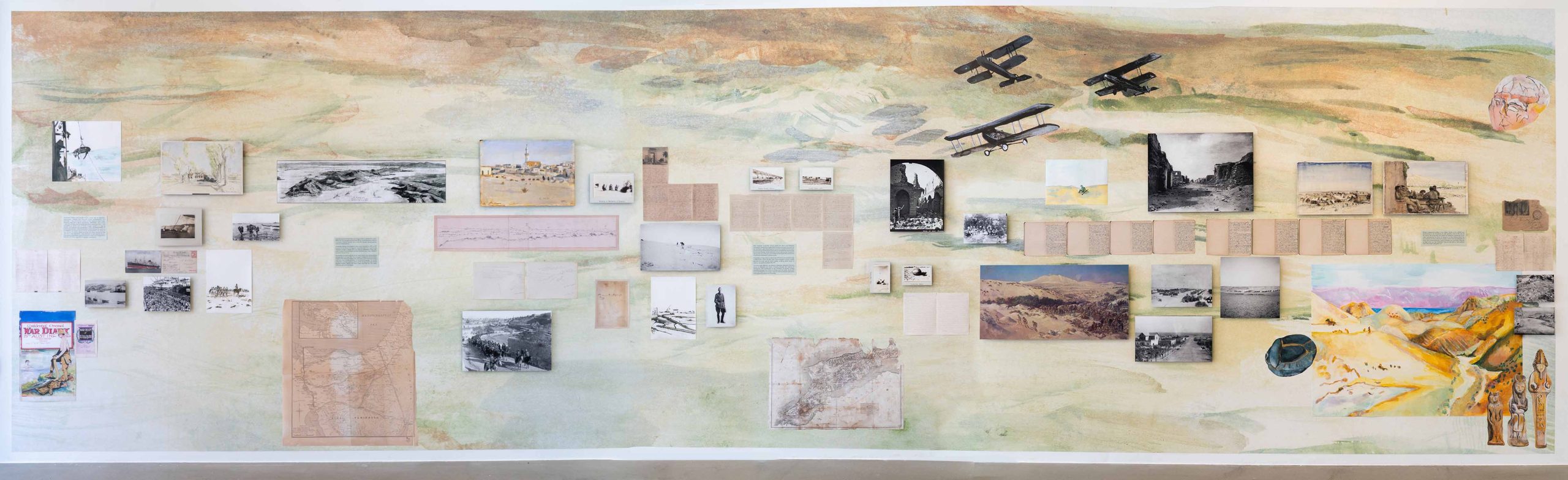
Lamia Joreige returns to Marfa’ with As I Weep (25 June – September 23 2026), the artist’s third solo exhibition with the gallery and the latest chapter of her long-term research project Uncertain Times. Combining archival material, drawing, film, sculpture, photography, and installation, the exhibition revisits the political transformations that followed the collapse of the Ottoman Empire and the creation of the French and British Mandates. Rather than presenting history as fixed, Joreige traces the movement of narratives, borders, objects, and memories across generations, revealing their continued relevance today. Highlights include Uncertain Times – War Diaries, a frieze constructed from soldiers’ journals, maps, photographs, and drawings, alongside works reflecting on the displacement of the Byzantine Shellal Mosaic and an installation documenting the casting process for her forthcoming feature film. Throughout the exhibition, archival research is transformed into poetic reflection, questioning how histories are written, remembered, and continually reshaped.
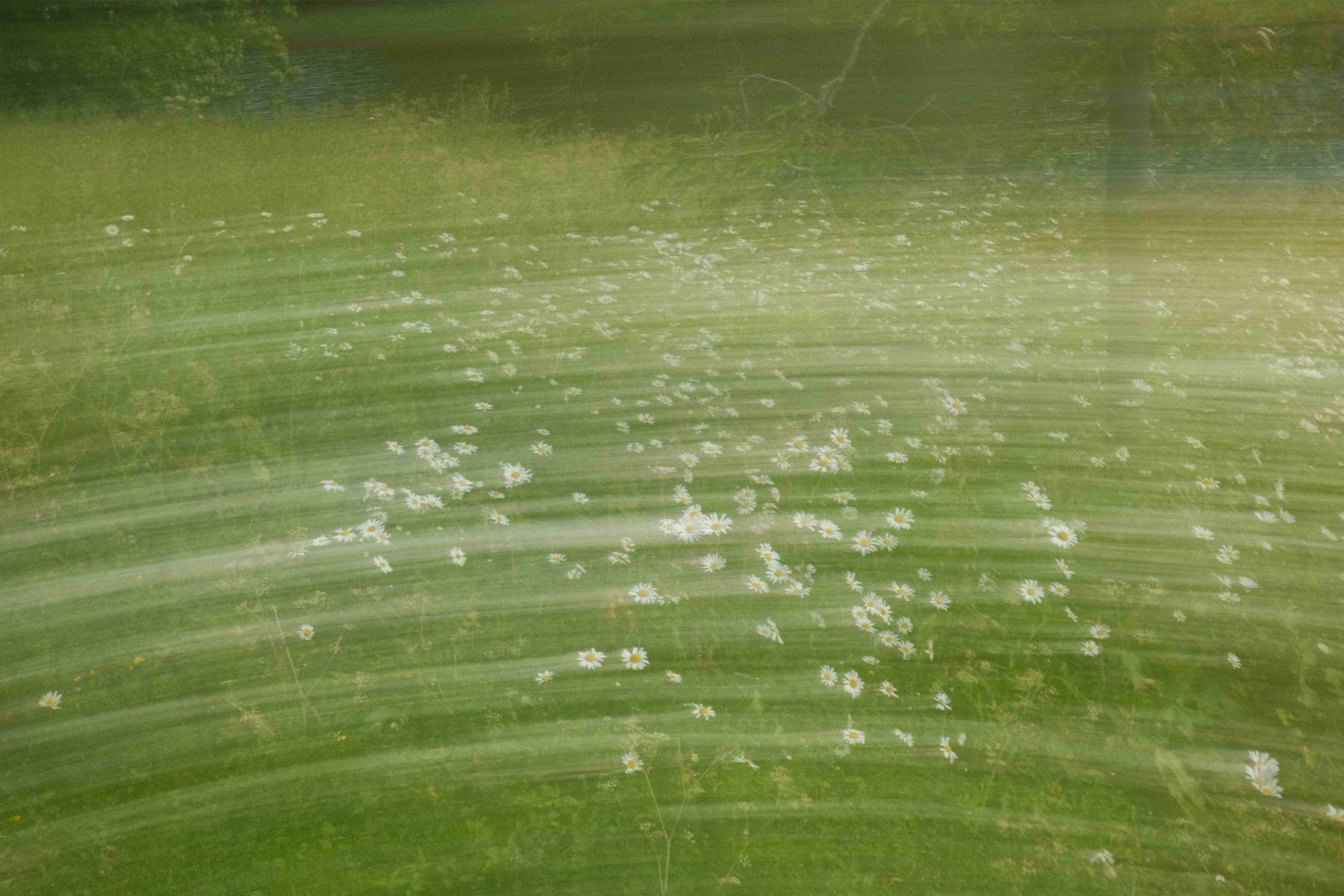
Lebanese-Canadian photographer Nadim Nassar explores the fragile space between presence and disappearance in In Absentia (2 – 6 July 2026) at Blue Rose, curated by Tara Rahmeh. Working primarily through fine art photography, Nassar creates quiet, cinematic images that linger on reflections, fading light, subtle gestures, and overlooked moments. His compositions invite viewers to slow their gaze, proposing attention itself as an act of contemplation in an increasingly accelerated world. Rather than depicting absence as emptiness, the exhibition considers it as something that survives through memory, trace, and emotional residue. Natural light, muted colour palettes, and understated compositions contribute to an atmosphere of stillness, encouraging prolonged looking rather than immediate interpretation. Nassar transforms everyday encounters into meditations on impermanence and the enduring emotional weight of ordinary experience – an approach inspired by a practice shaped by documentary observation and poetic sensibility.
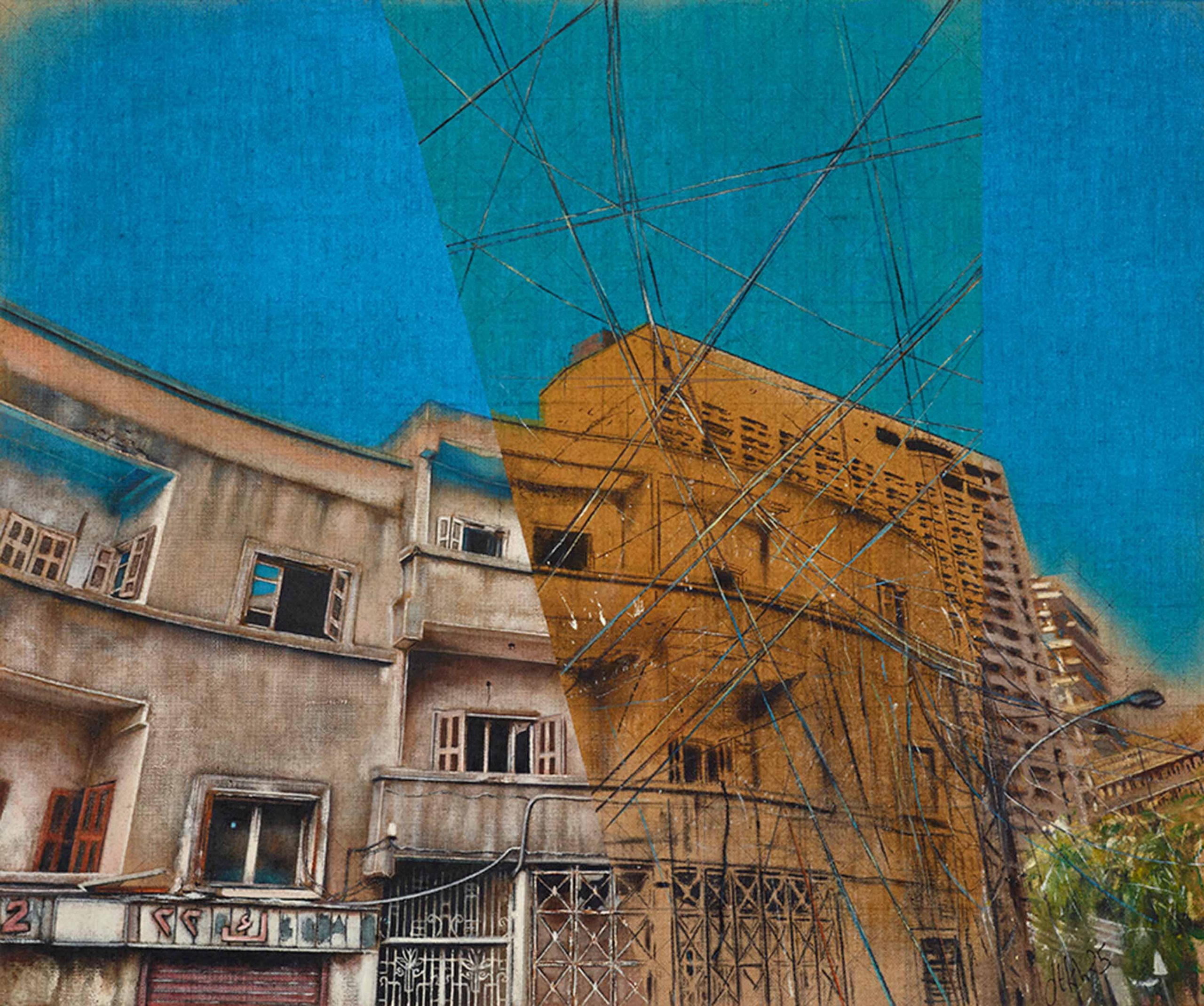
Dyala Khodary’s solo exhibition OFF THE GRID / اشتراك (July 2 – 25 2026) transforms Beirut’s electricity crisis into a visual investigation of infrastructure, adaptation, and urban memory at Art on 56th Gallery. Curated by Noha Wadi Moharram, the exhibition centres on the tangled networks of generator cables that have become an unmistakable feature of the city’s streetscape. Working between abstraction and figuration, Khodary translates these improvised systems into layered paintings where repetition, fragmentation, and intricate line work mirror the rhythms of everyday urban life. The works examine how temporary solutions gradually become permanent features of the built environment, shaping both the city’s appearance and lived experience. The exhibition also reflects on the less visible consequences of these infrastructures, from environmental pollution to the normalisation of instability. Khodary’s practice continues to explore the relationship between architecture, collective memory, and contemporary Lebanese identity through richly textured painterly compositions.
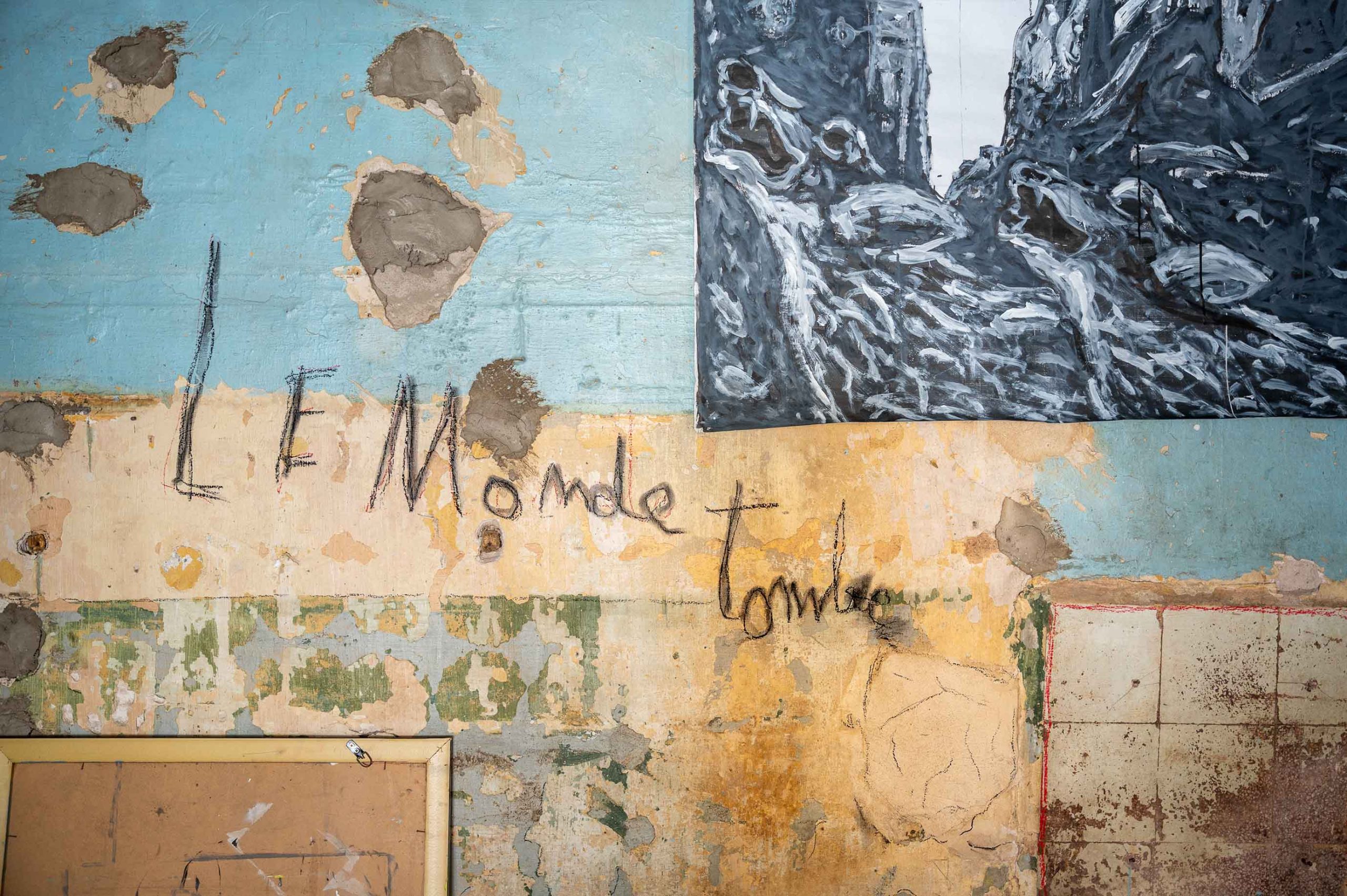
Occupying both Difaf Gallery and a neighbouring traditional Lebanese house, Samir Khaddaje’s Le Monde Tombe (The World is Falling) (25 June – 27 July 2026) unfolds as a large-scale site-specific installation that dissolves the boundaries between artwork and architecture. Building upon his artist’s book Babel, Khaddaje fragments and redistributes its pages throughout the exhibition, integrating them into paintings, drawings, collages, projections, and interventions made directly onto the walls. Invited artists also contribute to the evolving installation, creating a collective environment shaped by multiple voices and gestures. Layers of paint preserved within the historic house become active components of the work, while recurring inscriptions reinforce themes of construction, collapse, memory, and fragmentation. Over a career spanning more than five decades, Khaddaje has consistently explored the psychological aftermath of war through multidisciplinary practice. Here, painting, writing, and installation converge to reconstruct meaning from scattered fragments of history and experience.
UNITED ARAB EMIRATES
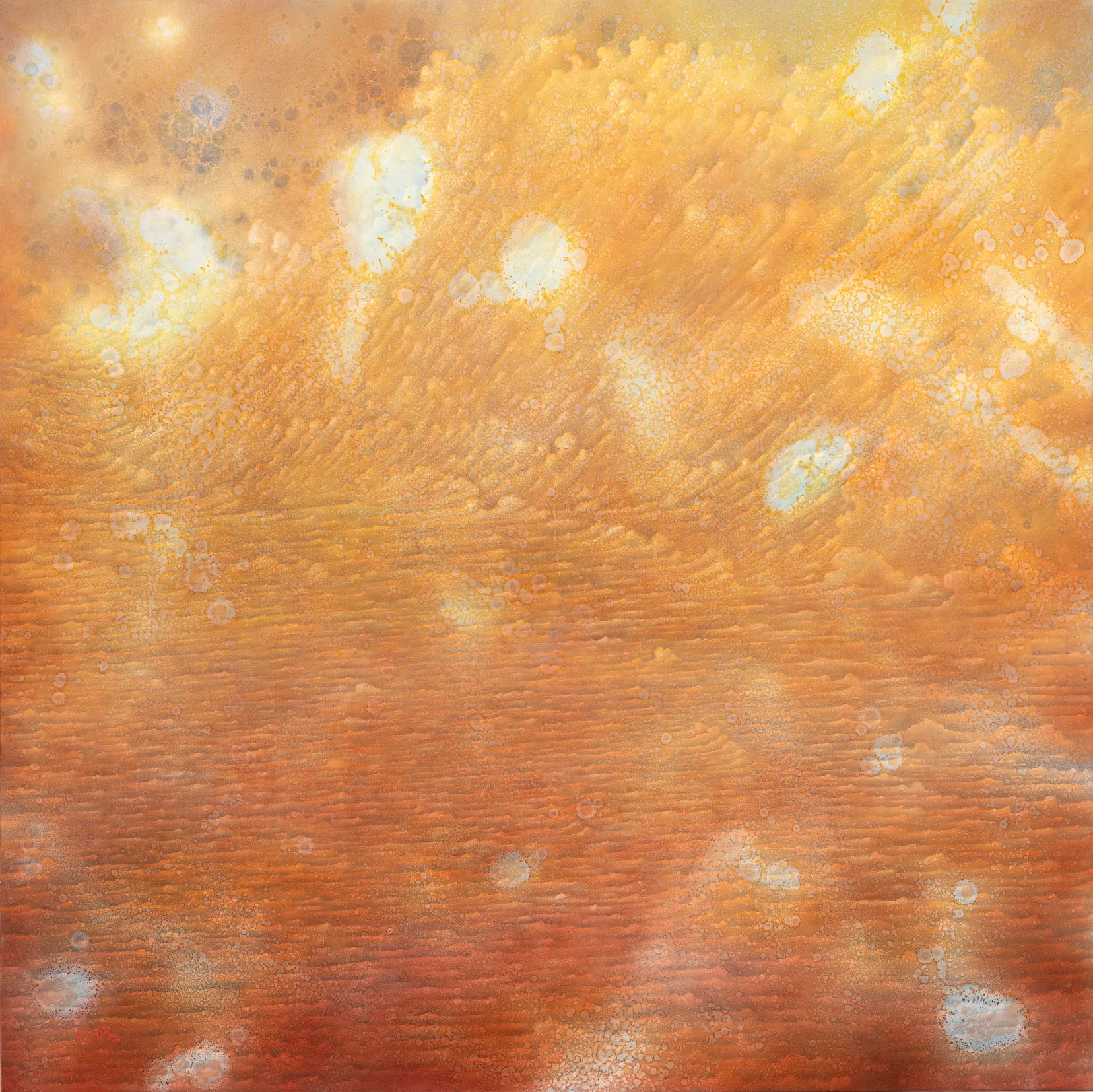
At Ayyam Gallery, Tangerine Dreams (8 July – 18 September 2026) brings together works by Sama Alshaibi, Khaled Akil, Abdalla Al Omari, Asaad Arabi, Tammam Azzam, Oussama Diab, Thaier Helal, Elias Izoli, Mouteea Murad, Leila Nseir, Kais Salman, Faisal Samra, and Khaled Takreti in a group exhibition exploring the expressive possibilities of a single colour. Positioned between warmth and intensity, orange becomes a lens through which the artists examine memory, landscape, identity, and transformation. Across painting, photography, and mixed media, the exhibition reveals how colour can shape atmosphere, emotion, and perception while creating unexpected connections between diverse artistic practices. The exhibition considers orange as a cultural and emotional register that shifts between celebration, nostalgia, contemplation, and renewal. A poem by Irish writer Roisin Kelly accompanies the presentation, extending the exhibition’s reflection on intimacy, sensory experience, and the lingering traces left by memory.
JD Malat Gallery, Dubai has extended Made in the UAE until 14 July, giving visitors an additional two weeks to experience the exhibition. The gallery’s inaugural open-call initiative received more than 300 submissions from artists living across the UAE, reflecting the breadth of the country’s contemporary art scene. Following a selection process led by a jury comprising Zina Khair, Roxane Zand, Ali Mohammadioun and Jean-David Malat, seven artists were chosen for the exhibition. Bringing together a range of practices and perspectives, Made in the UAE highlights emerging and established creative voices while reaffirming the gallery’s commitment to supporting artists working across the Emirates.
KINGDOM OF SAUDI ARABIA
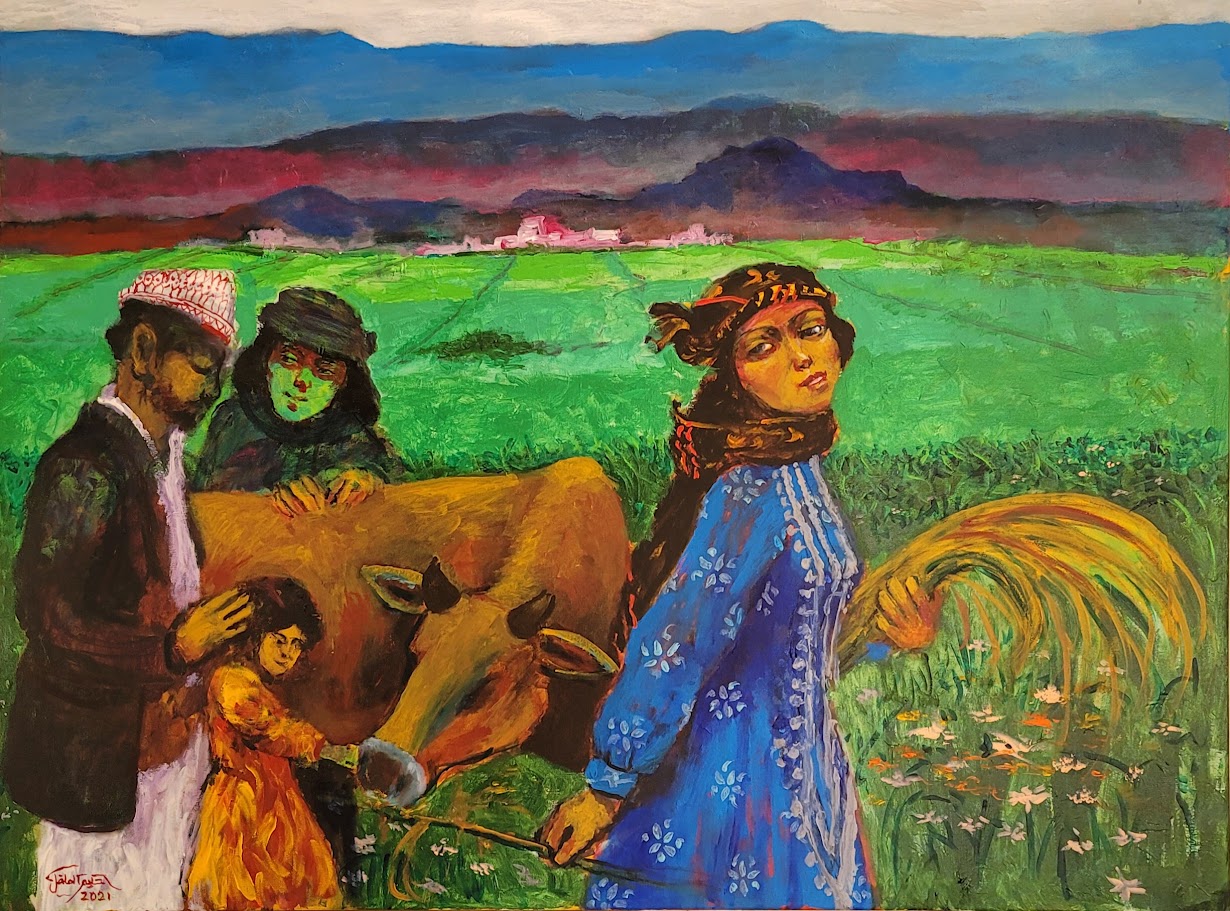
Between Mist and Meridian (30 June – 1 August 2026), on view at Hafez Gallery, examines the relationship between memory, place, and cultural identity through the work of Hakim Al Akel, Abdelsattar Al Mussa, and Thuraya Al-Baqsami. Although spanning different generations and artistic approaches, the three artists share the formative experience of studying in Moscow, an influence that shaped their individual visual languages. Al Akel’s atmospheric paintings draw on remembered mountain villages and rural life, dissolving figures into expressive landscapes that blur recollection and imagination. Al Mussa’s restrained figurative works focus on everyday lives, using monochromatic compositions to evoke resilience and collective memory. Al-Baqsami presents vibrant paintings rooted in Gulf folklore and Arab visual traditions, positioning women as active custodians of cultural history. Together, their practices form a dialogue on how personal experience and shared heritage continue to shape contemporary Arab artistic expression.
THE WORLD
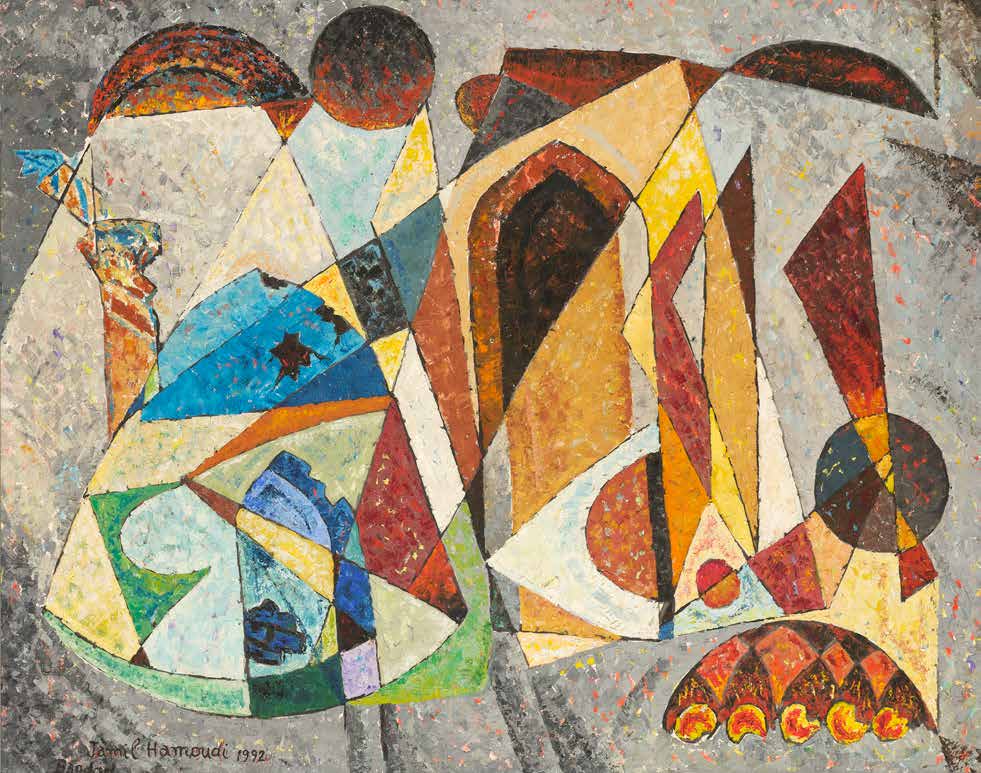
Millon’s auction The Pioneers of Modernism in the Middle East: From the Turkish School of Paris to the Emergence of Arab Modern Art – Part II takes place in Paris on 9 July 2026, bringing together more than a century of modern and contemporary art from across the region. The sale highlights artistic exchanges between Paris and cultural centres including Baghdad, Beirut, Cairo, Tehran, and Istanbul, featuring works from European private collections. Arab modernism occupies a central place, with works by pioneers such as Abdulkadir Al-Rassam, Faik Hassan, Shakir Hassan Al-Said, Kadhim Haydar, Layla Al-Attar, Mahmoud Said, Gazbia Sirry, and Chafic Abboud, alongside leading contemporary figures including Mona Hatoum, Etel Adnan, and Ayman Baalbaki. By tracing connections across artistic movements and geographies, the auction reflects the diversity of Middle Eastern modernism and its enduring dialogue with international art history.
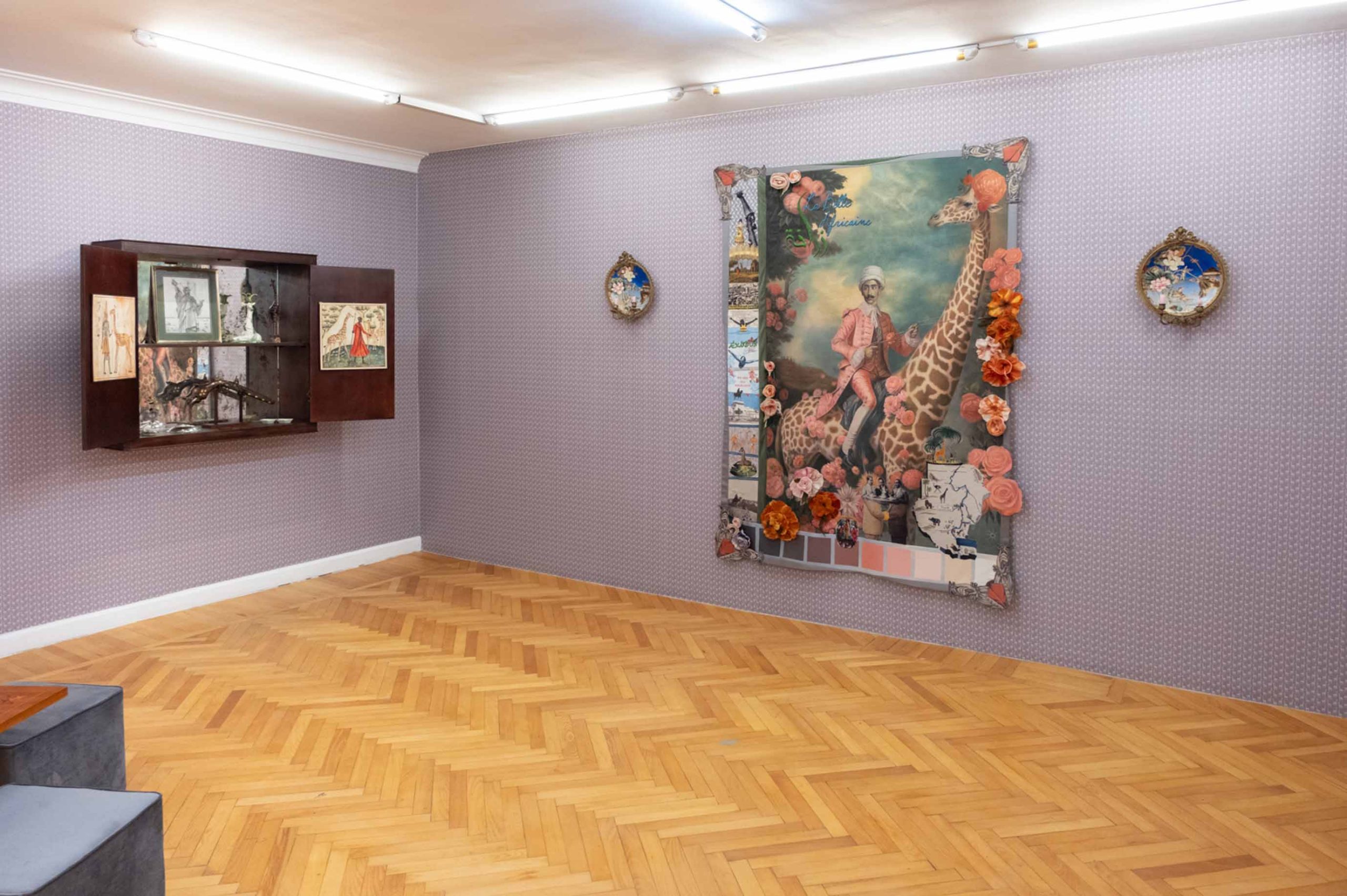
Egyptian-Lebanese artist Lara Baladi presents her first solo exhibition with Gypsum Gallery, Cairo. Z for Zarafa (2 June – 23 September 2026), a multidisciplinary project developed from her ongoing research platform Anatomy of Revolution, brings together tapestry, photography, sculpture, and installation. The exhibition uses the story of Zarafa – the giraffe gifted by Mohamed Ali to the French court in 1827 – as a point of departure for examining migration, diplomacy, displacement, and cultural exchange. Baladi moves between historical archives, personal narratives, and contemporary politics, questioning how power is performed through symbolic gestures and ceremonial gifts. Produced through collaborations with artisans, embroiderers, potters, and refugee communities in Egypt, the works foreground collective making as both method and subject. A companion publication, The Anatomist, expands these themes through newly commissioned essays on borders, exile, migration, and belonging, extending the exhibition beyond the gallery space.
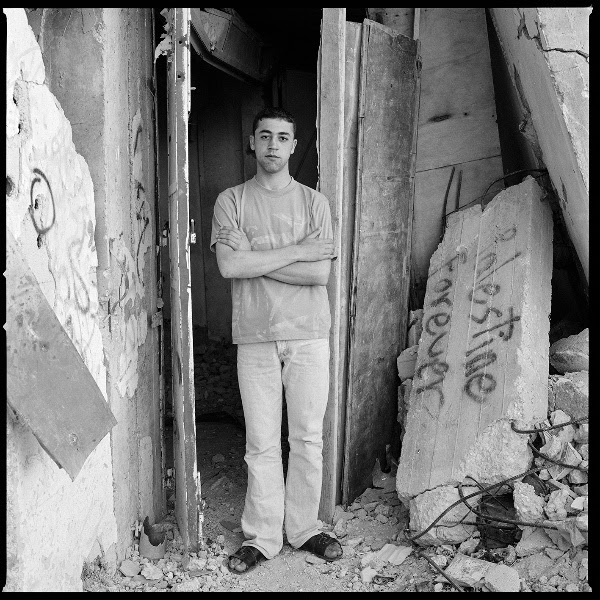
Homeland Lost (2 – 10 July 2026) brings Alan Gignoux’s acclaimed documentary photography series back to the UK for the first time since 2008. Presented at P21 Gallery and curated by Jenny Christensson, the exhibition pairs portraits of Palestinian refugees and their descendants with photographs of the villages and homes from which they were displaced in 1948. Produced between 2004 and 2005 using medium-format black-and-white photography, the series emerged from Gignoux’s commitment to document places that many of his sitters could no longer access. By placing portrait and landscape in dialogue, the exhibition reconnects people with locations preserved through memory rather than physical presence. Against the backdrop of renewed displacement across the region, Homeland Lost functions as both historical archive and contemporary testimony, examining exile, intergenerational memory, and the enduring relationship between identity and place.
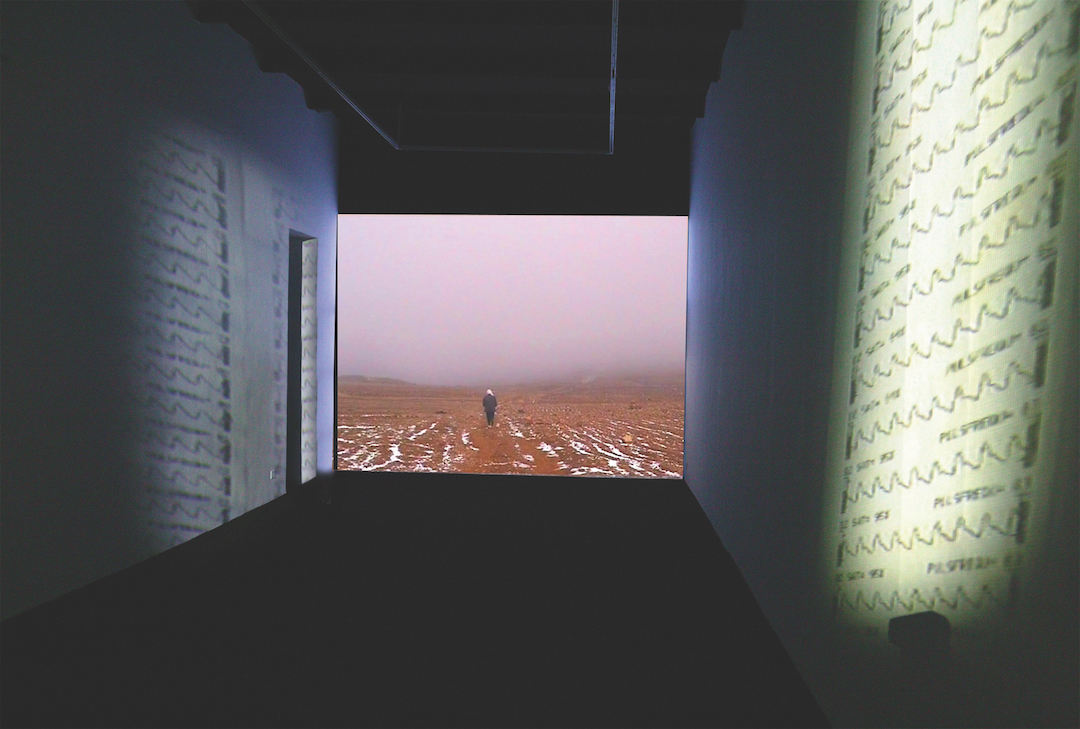
Darat al Funun, Jordan, honours the legacy of Khalid Shoman through a commemorative programme (30 June – 30 October 2026), recognising his enduring contribution to the institution and to contemporary Arab art. Activities begin with Suha Shoman’s immersive video installation Of Time and Light, accompanied by the presentation of I Am Everywhere, while selected works from The Khalid Shoman Collection are displayed across the foundation’s historic buildings. Built over more than four decades, the collection reflects enduring relationships with artists from across the Arab world and now comprises over 2,000 works. The opening programme concludes with a screening of Al-Hadhra in tribute to Tunisian filmmaker Fadhel al Jaziri, whose exploration of Sufi traditions echoes an earlier commemorative gathering held at Darat al Funun in 2002. Together, the programme reflects on cultural memory, artistic patronage, and Shoman’s enduring legacy.