UNITED ARAB EMIRATES
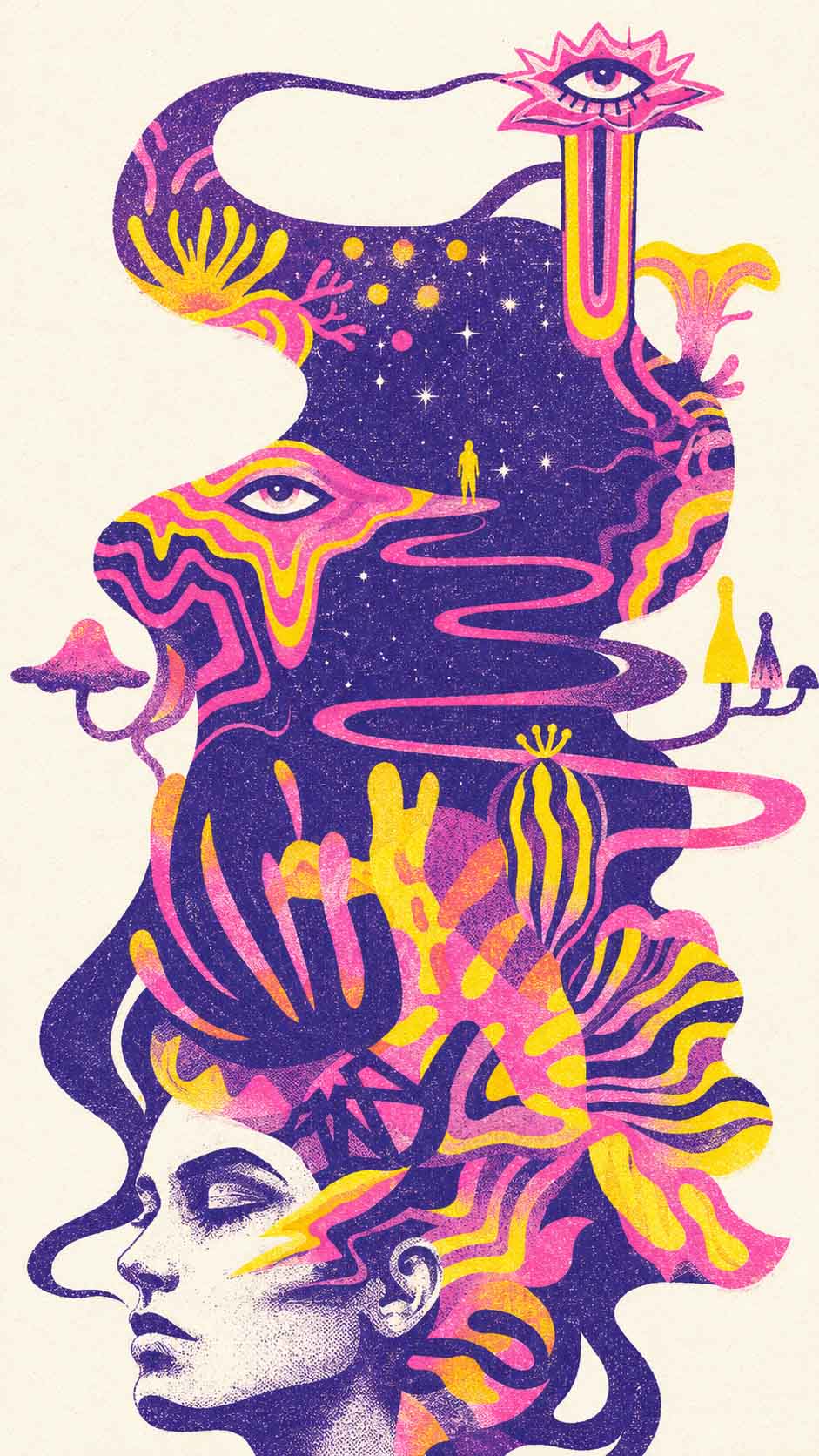
Exploring the creative possibilities of risograph printing, Khali Balak Men RISO (17 July – 21 August 2026) brings together a group of artists and designers whose practices have been shaped by experimentation, collaboration, and collective learning. Curated by Ibrahim Zaki at Tashkeel, the exhibition celebrates the distinctive qualities of the RISO process, where imperfect registration, vibrant layers of ink, visible grain and tactile textures become integral to the finished work rather than imperfections to conceal. Featuring posters, prints, cards and experimental publications, the exhibition highlights the medium’s capacity to blur the boundaries between printmaking, graphic design and independent publishing. Participating artists include Ahmed Mansour, Aysha Saif Al Hemrani Al Shamsi, Bassem Boules, Dina Saadi, Ibrahim Zaki, Mariam Abbas, Mohannad Orabi, Nasir Nasrallah, Sara Baali and Weam S. Ali. Together, their works reveal risograph printing as both a technical process and a collaborative platform that encourages storytelling, material exploration and the unexpected outcomes that emerge through making.
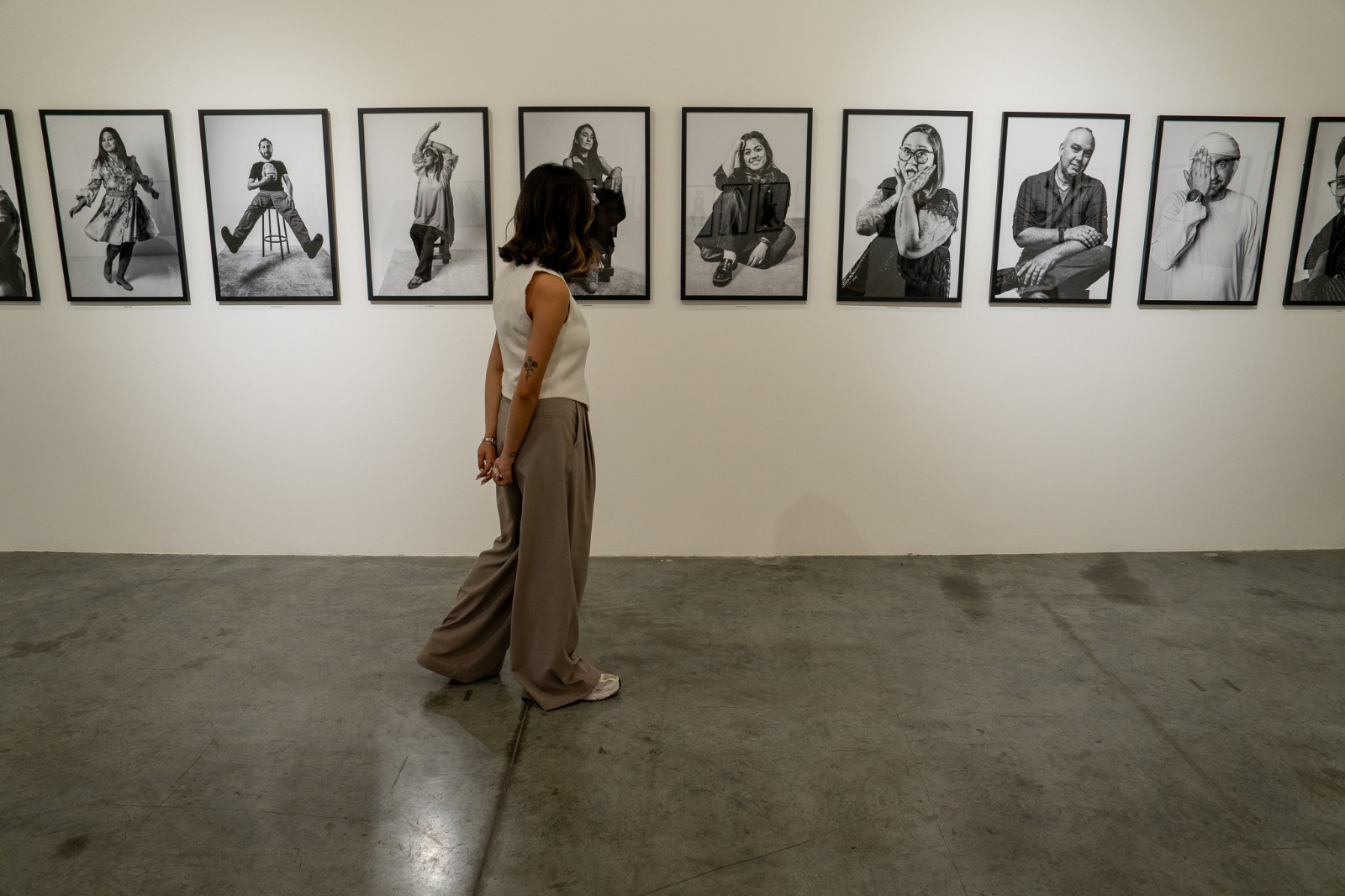
Also in Dubai, FN Designs marks its seventeenth anniversary with Working Utopia: A Chronicle in Portraits (opened on June 2 2026) – a series of photographic portraits by H.H. Sheikha Wafa Hasher Al Maktoum that reflects on the people who have shaped Alserkal Avenue’s creative community. Rather than documenting artists and cultural practitioners as isolated subjects, the exhibition considers the relationships, conversations and shared experiences that have contributed to the district’s evolution since its early years. Developed through dialogue with each sitter, the photographs move beyond conventional portraiture to create a collective record of the individuals whose work continues to influence the UAE’s cultural landscape. The exhibition serves both as a reflection on Alserkal Avenue’s growth and as a tribute to the often-unseen figures behind its artistic ecosystem. Through photography, Working Utopia captures a community defined not only by creative production, but also by collaboration, exchange and a shared commitment to cultural development.
LEBANON
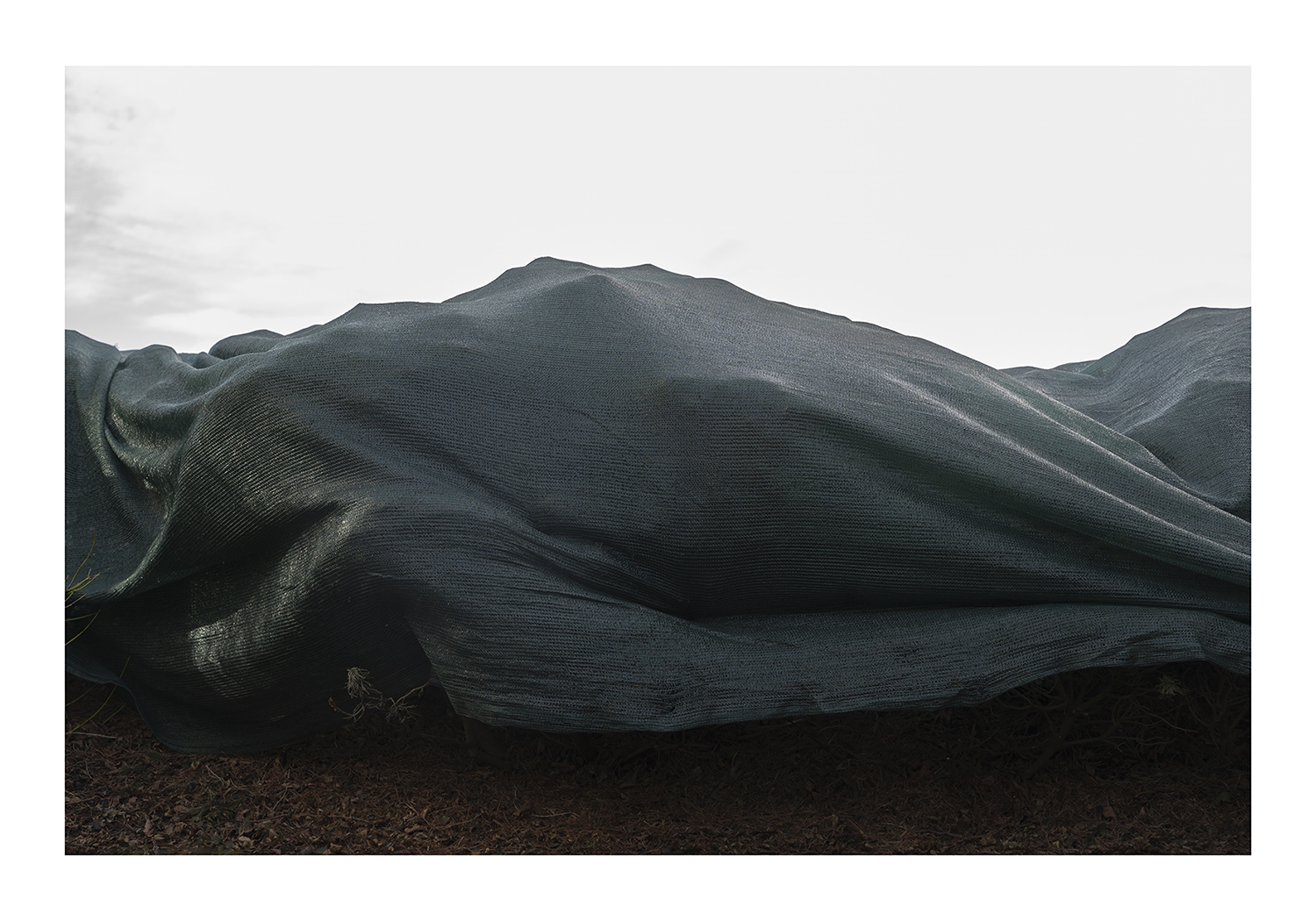
Curated by Nicolas Marbeau, As Close As It Gets (16 July – 4 September 2026) at Galerie Tanit Beirut presents Lebanese photographer Tarek Haddad’s latest body of work, where photography becomes both image and object. Moving between deconstruction and reconstruction, Haddad manipulates photographs through physical interventions, questioning the stability of landscape, memory, and perception. Seas, mountains and geological forms appear familiar yet remain elusive, while rulers, stones and sculptural elements disrupt the photographic surface, blurring distinctions between representation and material reality. Drawing on his background in computer science and photography, Haddad investigates how landscapes are mediated through technology, displacement and time. Since leaving Lebanon in 2020, his practice has centred on searching for traces of home within unfamiliar territories, transforming photography into a means of navigating distance and belonging. Combining installation, photographic experimentation and conceptual inquiry, the exhibition proposes landscape as an evolving archive where memory is continually fragmented, reordered and reimagined.
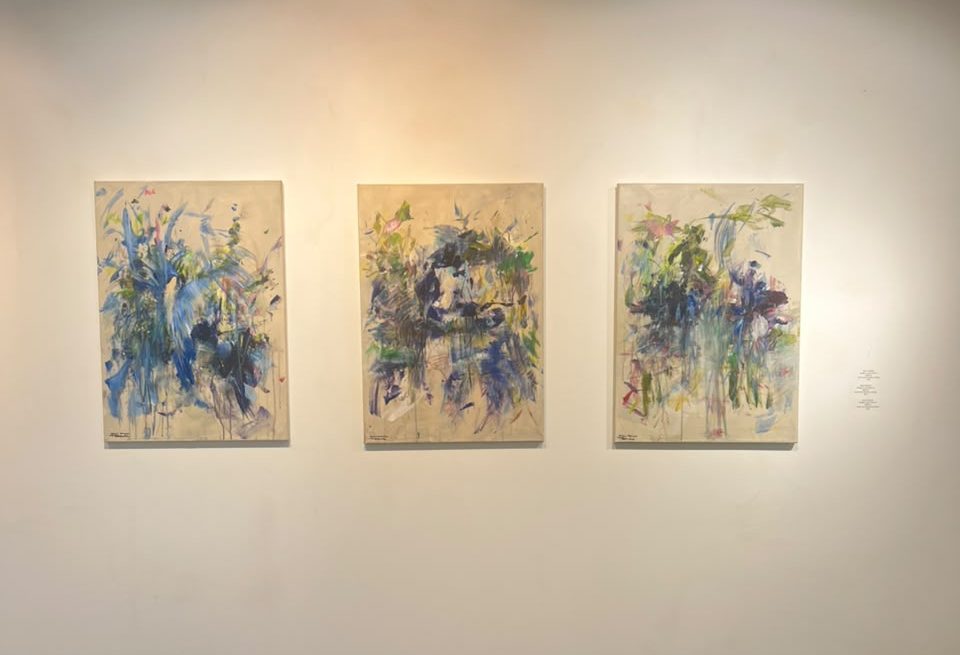
Opening today, Between Light and Memory (16 July – 1 August 2026) at Kalim Bechara Art Gallery brings together Franco-Lebanese painters Robert Messarra and Marie Traboulsi Marinier in a dialogue curated by Randa Sadaka. Across two generations, both artists explore landscape as a repository of memory, identity and emotional experience through distinct painterly approaches. Messarra’s textured palette-knife paintings capture Mediterranean light with vibrant colour, transforming familiar villages, fields and coastlines into luminous reflections shaped by exile and longing for Lebanon. Traboulsi Marinier constructs imagined terrains through layered acrylic, charcoal and graphite, where traces of forests, gardens and pathways emerge from gestural surfaces suspended between abstraction and figuration. Together, their works examine how place is remembered, experienced and reimagined through colour, texture and atmosphere. The exhibition reflects on landscape not simply as physical scenery but as an inner territory where personal histories, displacement and poetic imagination continue to resonate across time.
THE WORLD
Curated by Fortunata Calabró, Resurrection (25 July – 28 August 2026) brings Palestinian multidisciplinary artist Bashar Alhroub to London’s P21 Gallery with a new body of paintings shaped by the aftermath of the violence that has transformed life in Palestine since October 2023. Working between figuration and abstraction, Alhroub explores loss, memory, displacement and survival through layered compositions that balance intimacy with collective experience. His engagement with Tatreez extends beyond ornamentation, drawing on its repetitive structures as a visual language of endurance, fragmentation and remembrance. A restrained palette of deep reds and blacks reinforces the emotional tension running throughout the exhibition, evoking grief, resilience and the fragile possibility of renewal. Based in Ramallah, Alhroub works across painting, drawing, photography, video and installation, examining the relationship between personal histories and broader human experience. Resurrection reflects on art’s capacity to preserve memory while imagining dignity and hope amid devastation.

Meanwhile in the Netherlands, Lebanese artist Mounira Al Solh and Palestinian artist Jumana Manna are among the international participants announced for Sonsbeek 2026, Europe’s oldest recurring public art exhibition, where both will unveil newly commissioned works. Running from 2 July to 11 October 2026, the thirteenth edition unfolds across Arnhem’s parks, museums and public spaces under the title Ik hoef geen tuin, ik deel een park (I don’t need a backyard, I share a park), exploring the theme of memory as living action. Curated by Amira Gad and Christina Li, the exhibition brings together eighteen artists and collectives responding to questions of shared space, collective memory and public life through site-specific installations, sculpture and performance. Manna’s Your Time Passes And Mine Has No Ends (2025), installed at Omstand, comprises a series of banners combining quotations by Palestinian political prisoners with references to communal traditions and collective rituals in Palestine, drawing connections between pre-colonial forms of gathering and contemporary systems of incarceration. Al Solh’s monumental sculpture And Europa Fled (2026) rises from a Phoenician murex shell in Park Sonsbeek, depicting a bullet-ridden female figure carrying a suitcase, mobile phone and oar, while a Phoenician boat balances on her head. Bridging ancient mythology with present-day realities of migration, conflict and displacement, the work reflects on movement, memory and the enduring legacies of the Mediterranean.
