UNITED ARAB EMIRATES
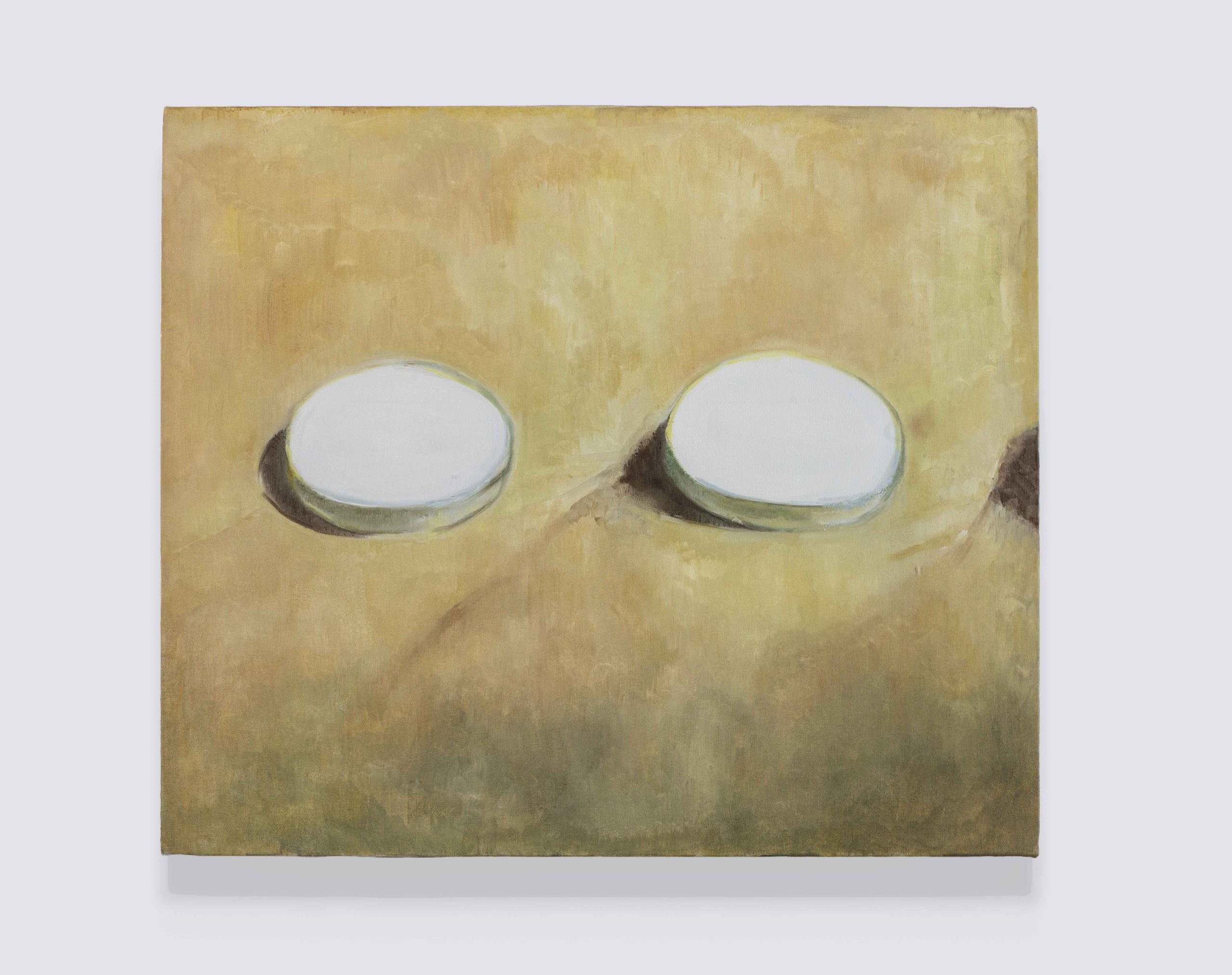
Opening this weekend at Sharjah Art Foundation, Body Quotidian (13 June – 20 September 2026) brings together the practices of Pakistani artists Laila Majid and Inaam Zafar in an exploration of the body’s place within the rhythms of daily life. Working across sculpture, photography and painting, the exhibition considers how memory, perception and emotion are shaped through ordinary encounters. Majid’s works draw on domestic spaces and fleeting gestures, with pieces such as Steam 07, Blinds and Chaser transforming familiar scenes into reflections on attention, desire and presence. Zafar’s paintings, including Mourners, Bent Moon and To See and Not See, move between figuration and abstraction, using symbolic imagery to meditate on mortality, grief and collective experience.
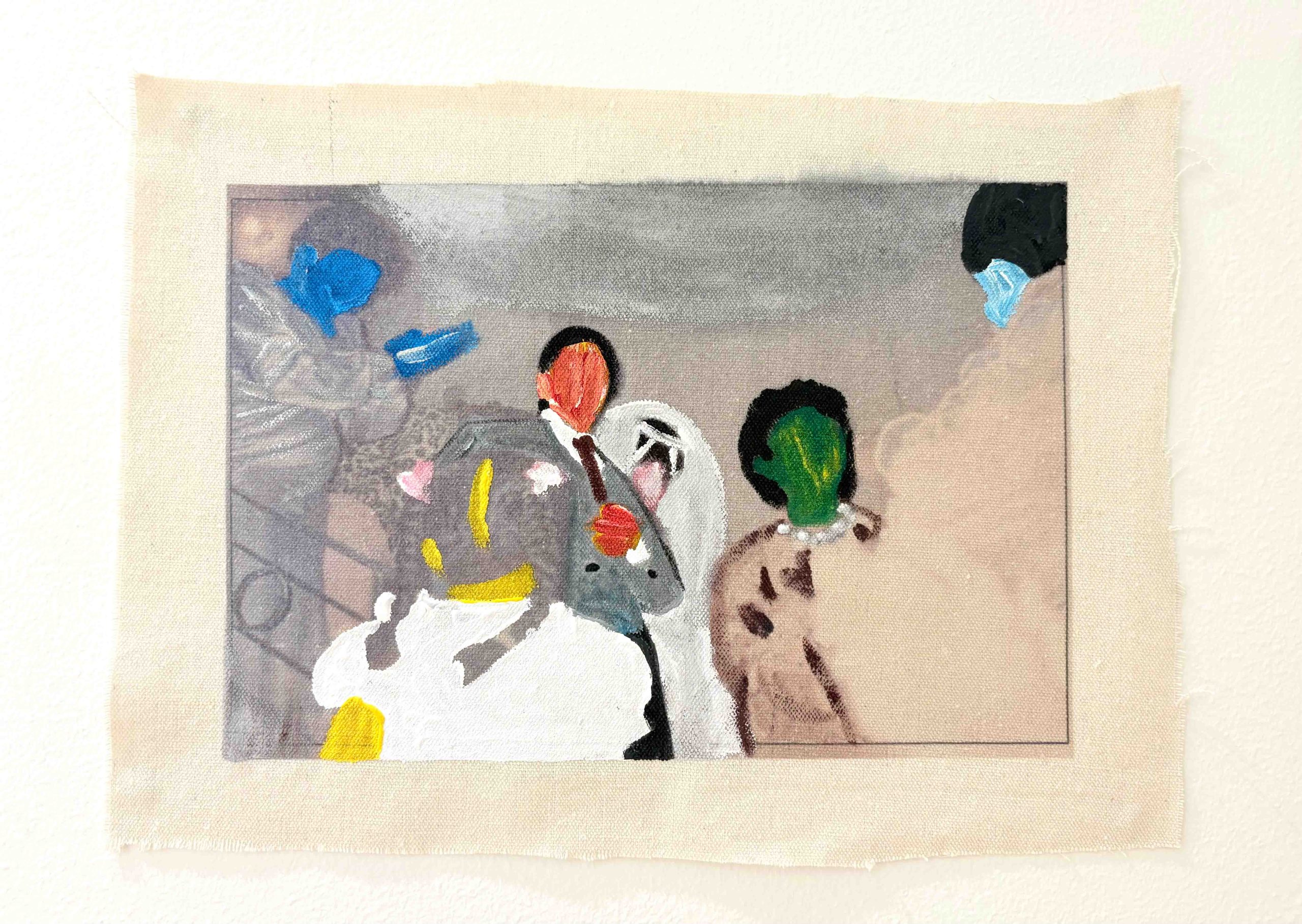
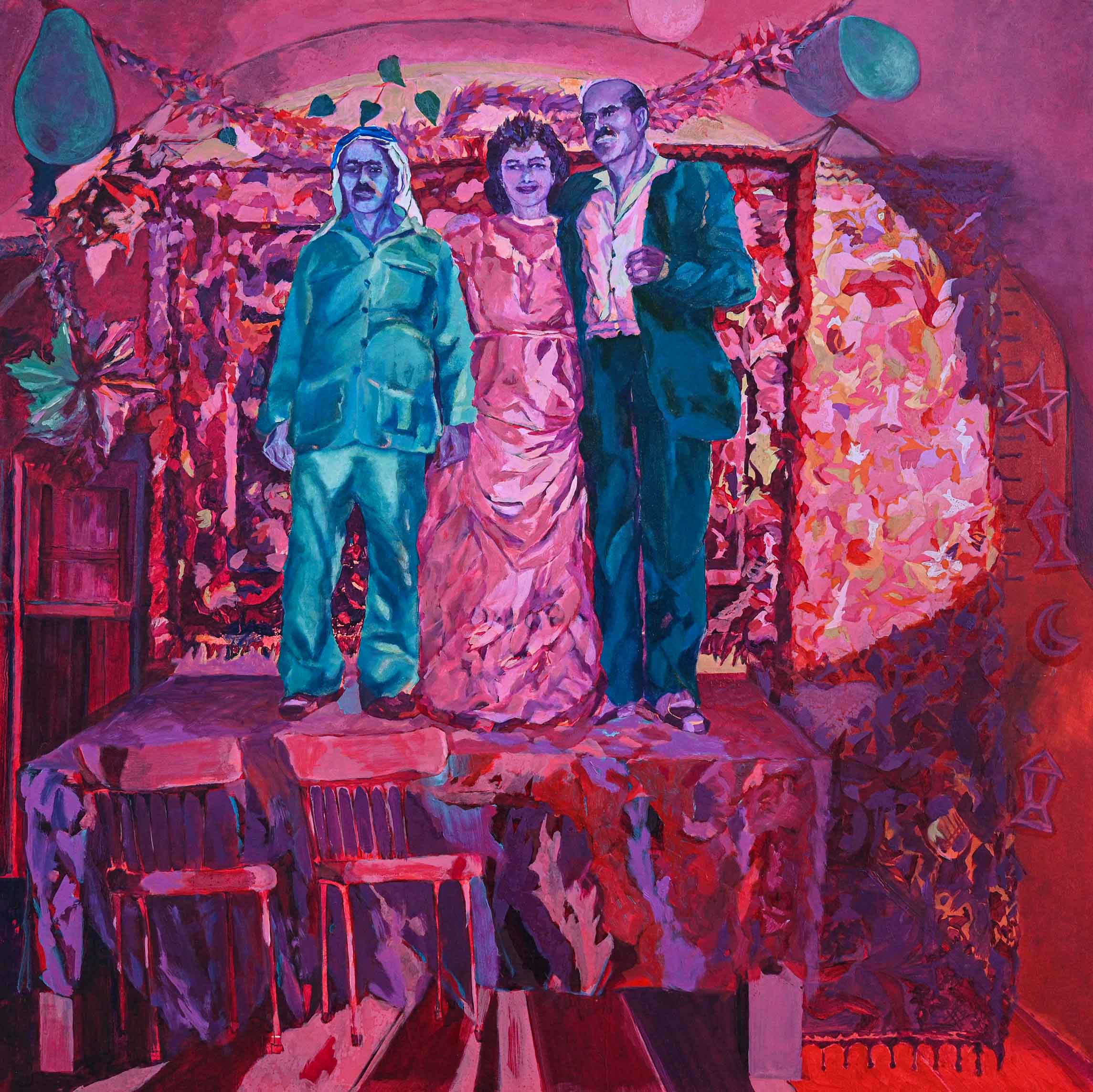
At Iyad Qanazea Gallery, Palestinian artist Inass Yassin presents In a Group Picture (opening 11 June), a body of paintings and mixed-media works inspired by rural Palestinian wedding photography from the 1980s. Drawing on years of research in Asira al-Shamaliya, Yassin revisits the colourful domestic settings that once framed family celebrations, from embroidered textiles and floral decorations to gardens and improvised studio backdrops. Rather than treating these scenes as nostalgic documents, she examines them as acts of image-making that shaped collective memory and local identity. Based in Birzeit, Yassin’s interdisciplinary practice combines painting, archives, fieldwork and public interventions to investigate social transformation, representation and the visual histories embedded within everyday life.
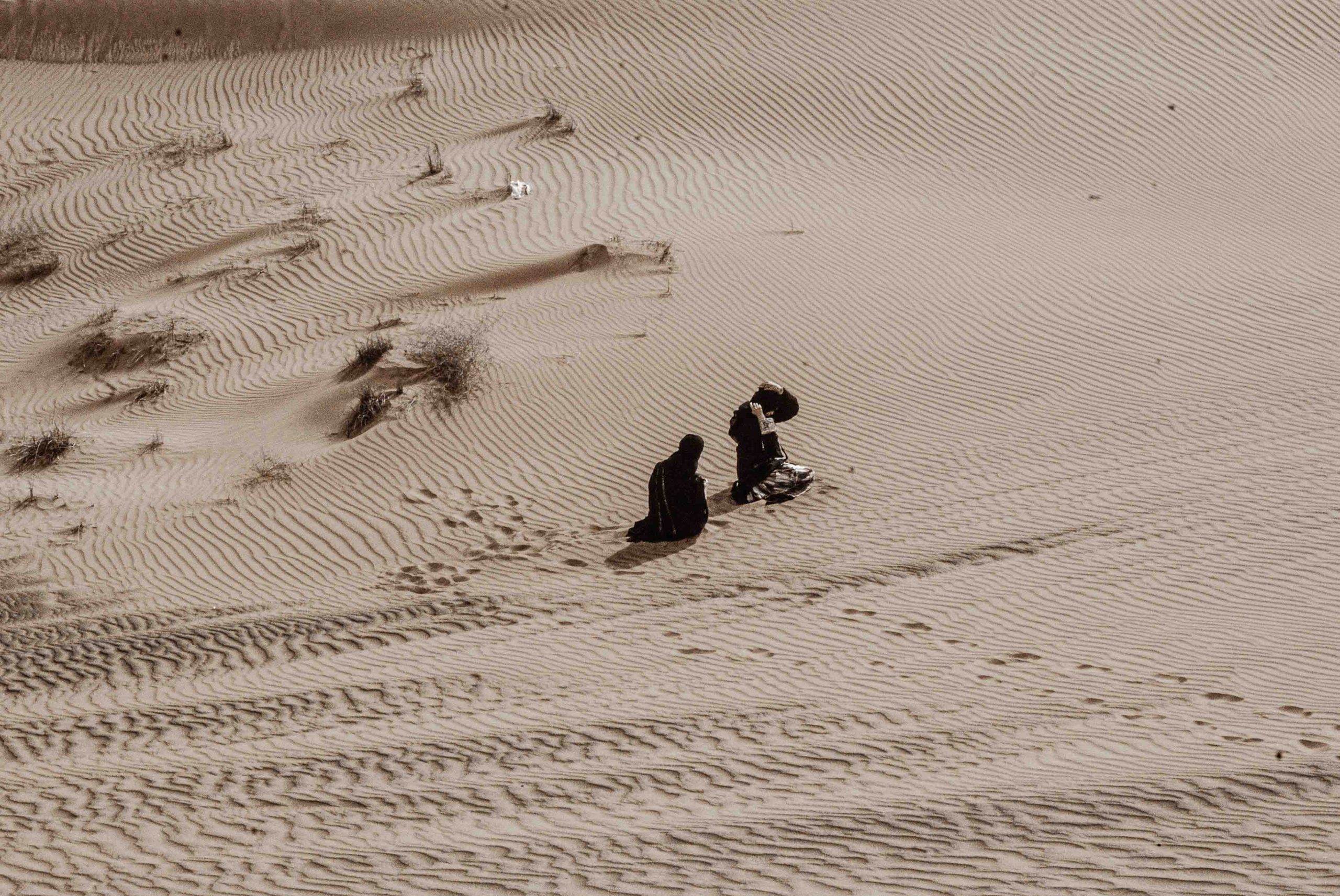
Developed through a year-long collaboration between Bassam Freiha Art Foundation and Zayed University’s College of Arts and Creative Enterprises, Seeing Ourselves (11 June – 31 August 2026) places students at the centre of every stage of exhibition-making. Emerging photographers, curators and designers worked alongside French photographer Philip Ducap through a residency programme before shaping the exhibition themselves. Conceived as a response to historical depictions of the region by outsiders, the exhibition foregrounds Emirati perspectives through photographs of landscapes, architecture and portraiture reflecting contemporary life in the UAE. Running concurrently in the annex gallery, Ducap’s Before the Silence Breaks (11 June – 11 September 2026) examines the sea as a space of constant transformation. As curator and exhibitions director Dr Michaela Watrelot notes, the project reflects the foundation’s commitment to nurturing the next generation of cultural practitioners.
LEBANON
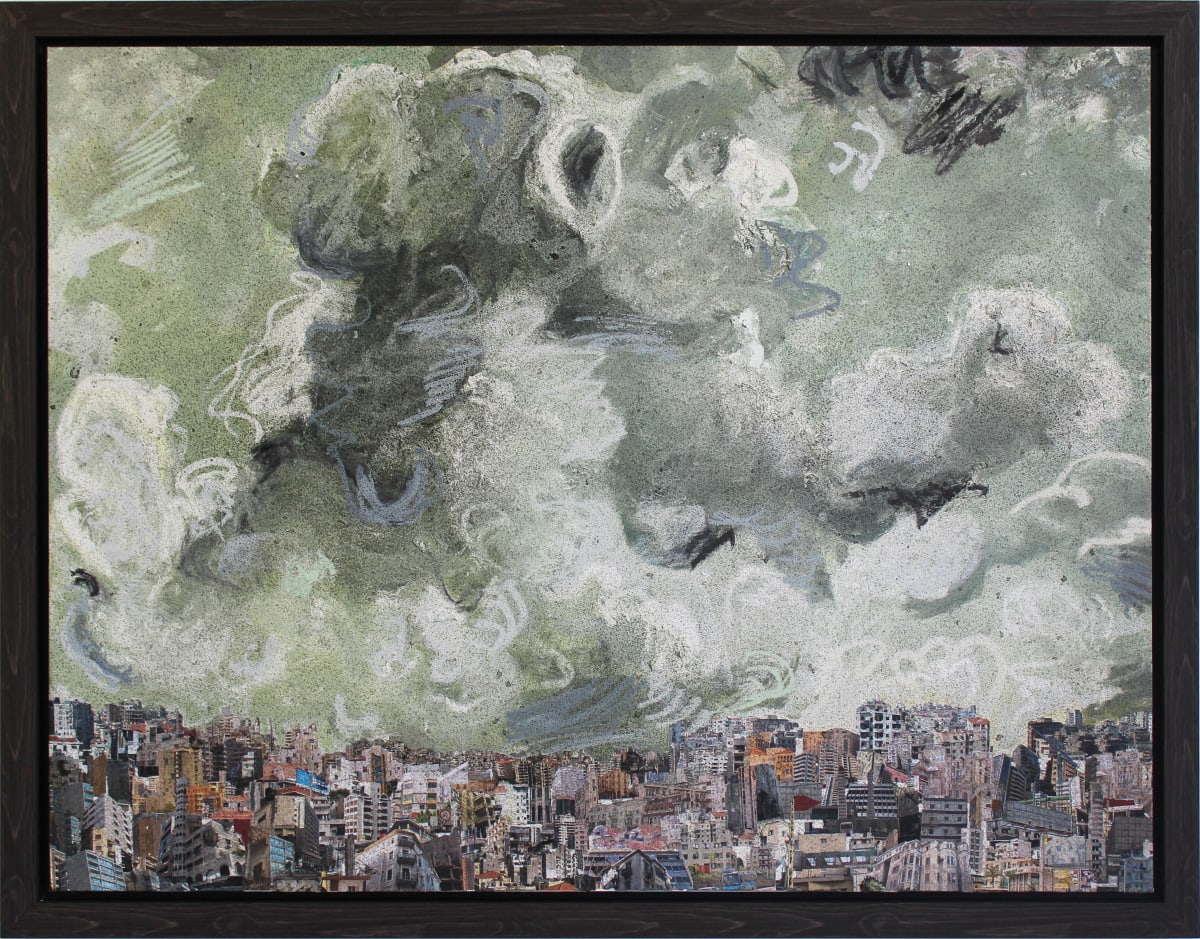
Galerie Tanit gathers more than twenty artists, including Abed Al Kadiri, Ziad Antar, Zena Assi, Khalil Joreige and Joana Hadjithomas, Rania Matar and Ghassan Zard, for Poetic Landscapes (11 June – 9 July 2026), a collective meditation on humanity’s relationship with the natural world. Emerging from a moment marked by political instability and environmental concern, the exhibition reflects on attachment to place and the gradual erosion of that connection under contemporary pressures. Through photography, painting and mixed media, landscapes become more than representations of terrain; they emerge as carriers of memory, belonging and loss. While some works celebrate nature’s enduring presence, others address urban expansion and disappearing environments, creating a visual anthology that moves between contemplation, nostalgia and quiet resistance.
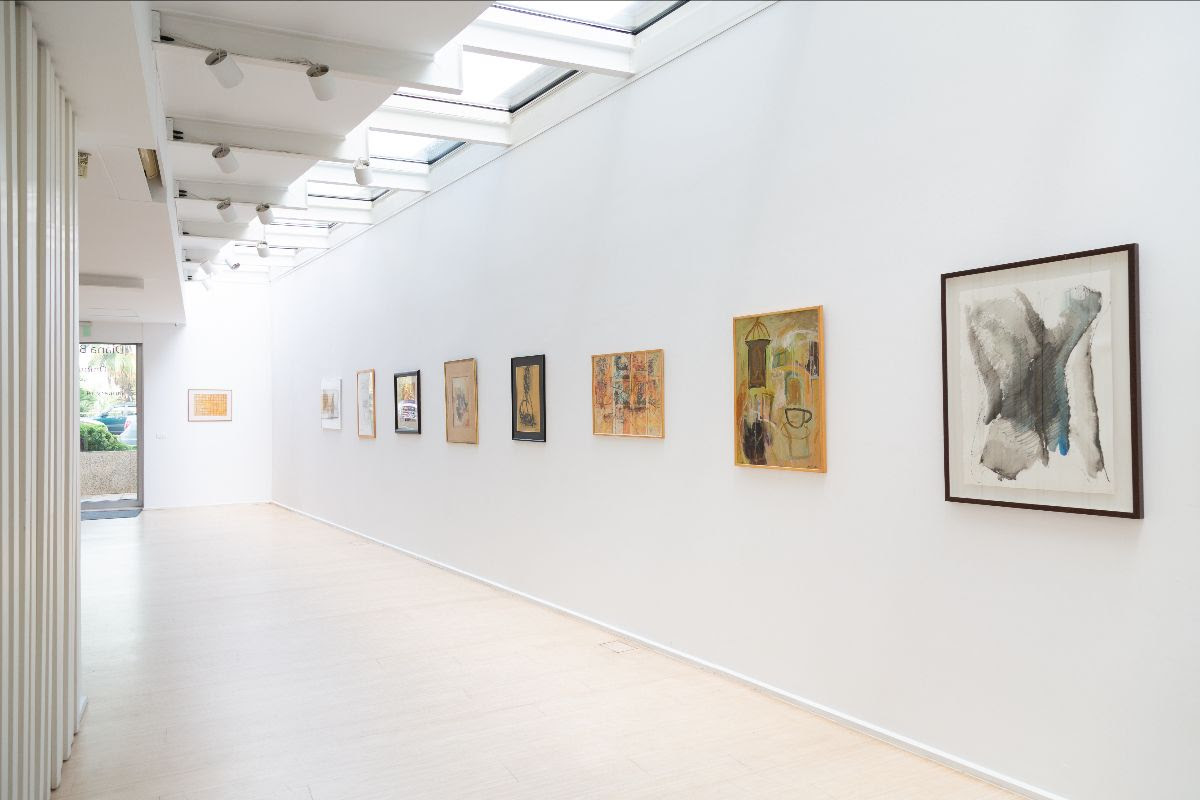
The first chapter of a three-part project curated by collector Nadine Majdalani Begdache at Galerie Janine Rubeiz, Collector’s Choice Part I (17 June – 17 July 2026), brings together works drawn from private collections spanning generations of Lebanese art. Featuring artists including Huguette Caland, Paul Guiragossian, Helen Khal, Aref el Rayess, Chaouki Chamoun, Jamil Molaeb and Mohammad El Rawas, the exhibition offers a cross-section of artistic practices that have shaped Lebanon’s cultural history. Rather than following a single theme, the selection reflects the personal journeys of collecting, revealing dialogues between abstraction, figuration, landscape and experimentation. Together, the works trace artistic lineages while highlighting the enduring role of collectors in preserving and transmitting cultural memory.
KINGDOM OF SAUDI ARABIA
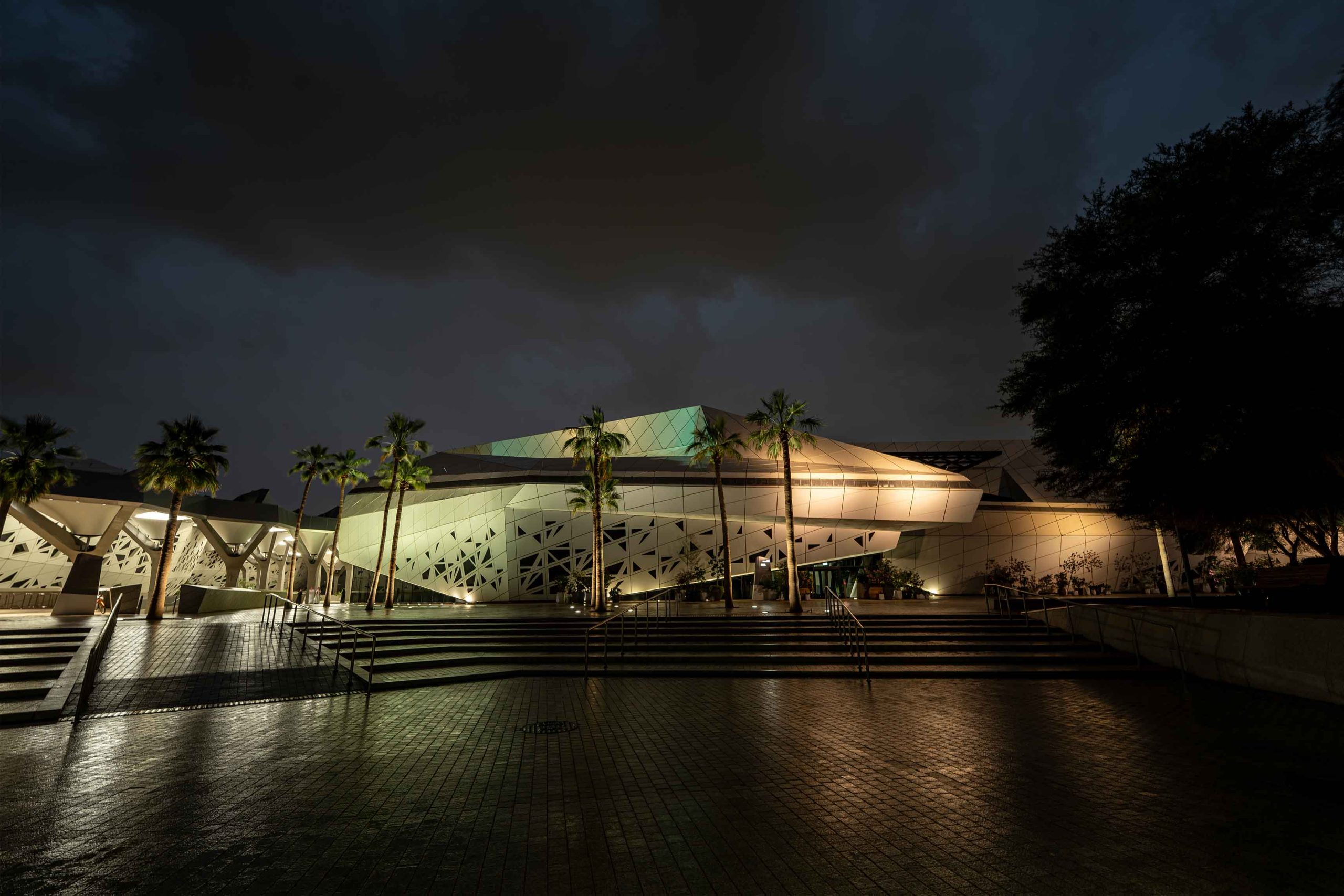
Riyadh welcomes the opening of the Black Gold Museum, a new institution developed through a partnership between Saudi Arabia’s Museums Commission and KAPSARC. Inaugurated by the Ministers of Energy and Culture, the museum examines the history and global impact of oil through contemporary art rather than industrial display. Housed within Zaha Hadid’s landmark KAPSARC complex, it features more than 350 works by over 170 Saudi and international artists, including Manal AlDowayan, Ahmed Mater, Muhannad Shono and Doug Aitken. Structured around four thematic sections – Encounter, Dreams, Doubts and Visions – the museum explores oil’s role in shaping economies, societies and cultural imagination while encouraging reflection on its future implications.
THE WORLD
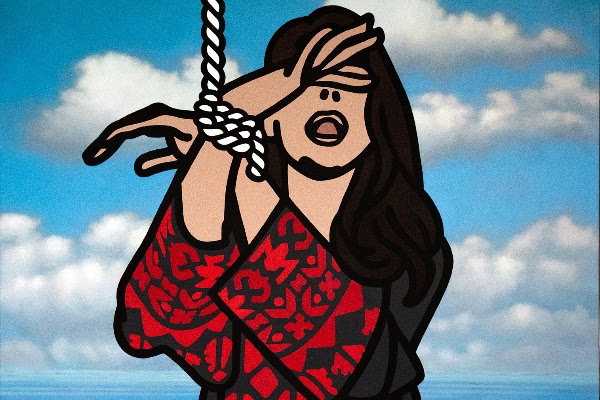
At P21 Gallery in London, Palestinian artist Rasha Eleyan presents Revolution Is Female (11 – 19 June 2026), a solo exhibition examining women’s roles within resistance movements and public life. Combining photorealism with pop-inspired imagery, Eleyan employs symbolism, ornament and storytelling to explore visibility, agency and political expression. Central to the exhibition is the recurring motif of the zaghrouta, the celebratory ululation that the artist reframes as both a cultural tradition and an act of defiance. Moving between domestic and political spaces, the works challenge passive representations of women, instead portraying them as active participants in shaping collective histories. The exhibition reflects Eleyan’s broader commitment to preserving Palestinian narratives through contemporary visual language.
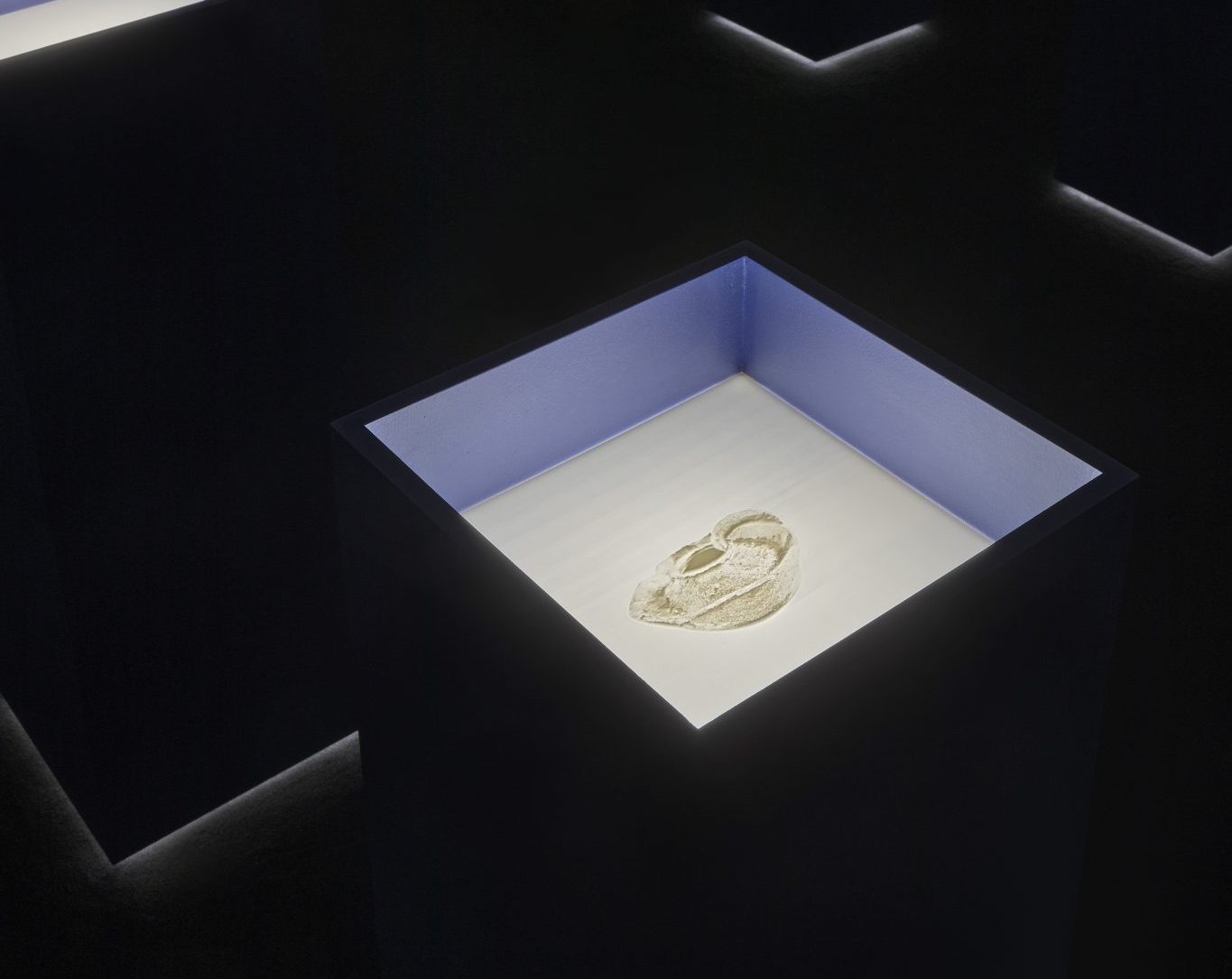
The Boghossian Foundation’s Shape of Absence (18 June 2026–24 January 2027) confronts the destruction and looting of Syrian cultural heritage through a dialogue between art, technology and memory. At its centre is Stolen Past, a monumental installation by Syrian-Armenian artist Hrair Sarkissian composed of forty-eight illuminated lithophanes depicting artefacts lost from the Raqqa Museum during years of conflict. Produced using 3D-printing techniques, the translucent works render absence visible while reflecting on how communities remember what has vanished. Complementing Sarkissian’s installation are immersive visualisations by ICONEM, documenting Palmyra through advanced digital reconstruction. Together, the exhibition examines how images, archives and artistic practices can preserve fragile histories threatened by war and displacement.
Difaf Gallery, Cairo, brings together Egyptian artists Fatma Abodoma, Sara AlFazayry and Ahmed Lesi in Fabric of Time (16 June – 16 July 2026), an exhibition that reflects on memory as a space where personal histories, inherited narratives, and imagined pasts intersect. Through collage, painting, photography, installation and mixed media, the artists navigate shifting relationships between selfhood and time. AlFazayry explores cycles of identity and repetition, drawing connections between past and present. Lesi revisits family archives, reconstructing memories that are simultaneously intimate and speculative. Abodoma turns her attention to overlooked individuals, rescuing forgotten stories from obscurity through acts of artistic reimagining. Across the exhibition, memory becomes fluid rather than fixed, suggesting that the past continues to be rewritten through remembrance, imagination and lived experience.