UNITED ARAB EMIRATES
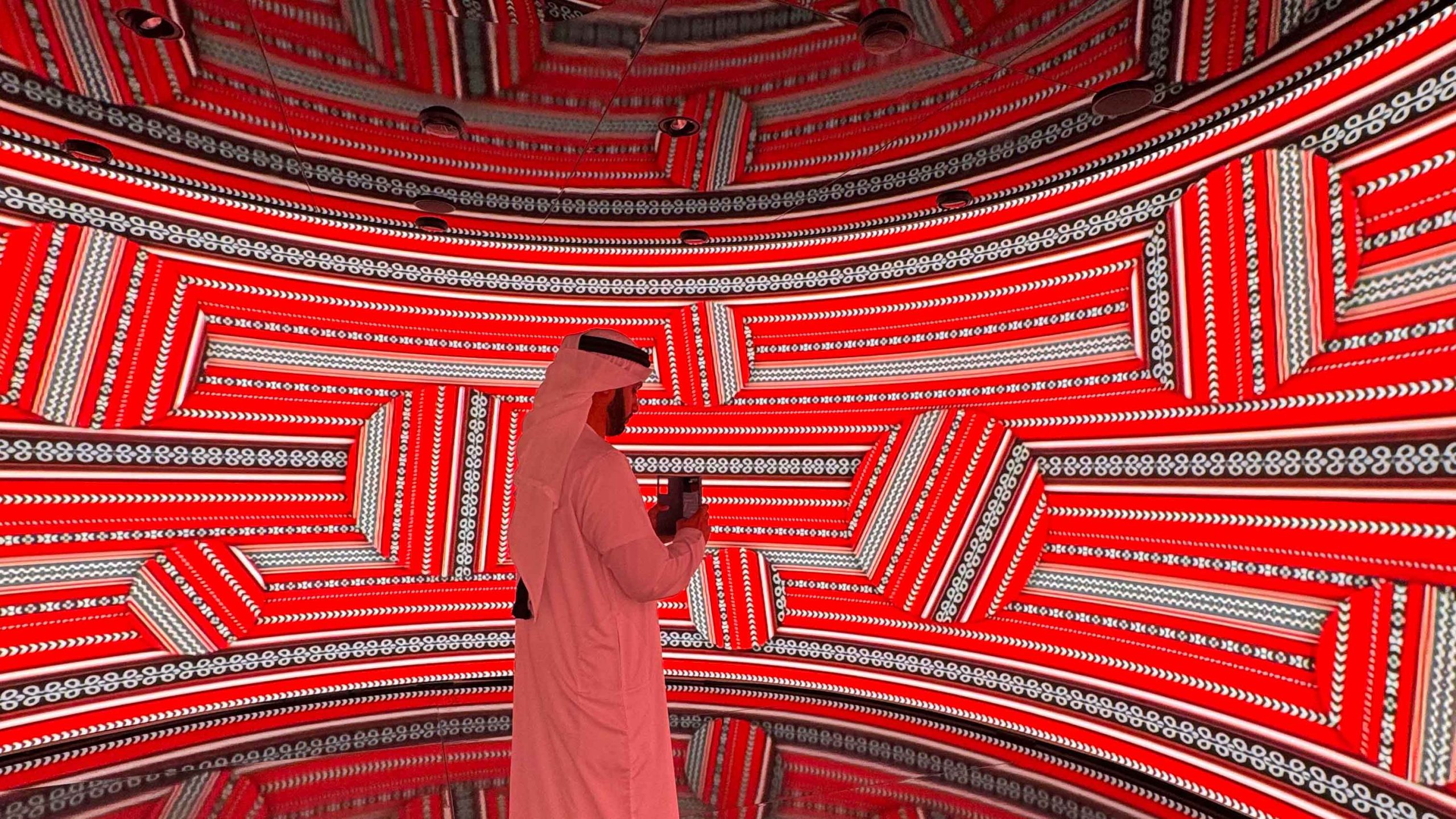
421 Arts Campus welcomes Human in the Loop (21 June – 13 September 2026), a new immersive installation by Emirati artist Dr. Ahmad AlAttar, developed through its Artistic Development Programme. An independent platform supporting emerging artists and creative practitioners across the UAE and the wider SWANA region, 421 continues its commitment to research-led practice through this interactive exhibition. Drawing on AlAttar’s background in robotics engineering and experimental sound, the installation invites visitors to navigate an ever-shifting algorithm using touch, movement and listening. Suspended ropes generate changing soundscapes that transform as participants move through the space, turning interaction into an exploration of human agency within technological systems. The exhibition translates a familiar AI concept into a physical experience, prompting reflection on how algorithms increasingly shape everyday life. Developed with mentorship through the 2024 ADP cycle, the project reflects AlAttar’s multidisciplinary practice at the intersection of engineering, sound and contemporary art. “I’m interested in the relationship between humans and technology – who is really in control?” the artist notes, highlighting the work’s playful yet thought-provoking premise.
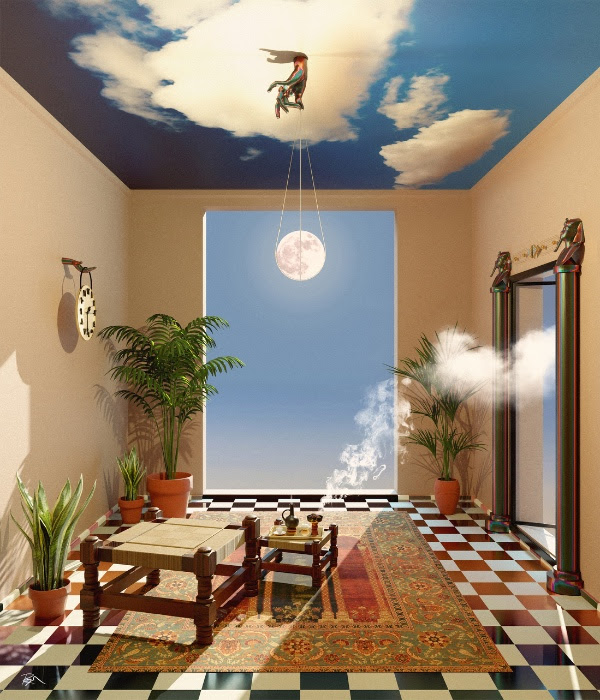
Seven artists selected from more than 300 submissions come together in Made in the UAE (11 June – 1 July 2026), a group exhibition at JD Malat Gallery Dubai celebrating the breadth of the country’s contemporary artistic landscape. Launched through an open call in late 2025, the initiative was created to support artists living and working across the Emirates. The exhibition features Ahmed Emad, Anila Ashraf, Camelia Mohebi, Elizaveta Pugacheva, Samo Shalaby, Sasan Nasernia and Yousif Albadi, whose practices span painting, sculpture, photography and mixed media. Together, they explore identity, memory, materiality and cultural exchange through highly individual visual languages. Emad examines human experience through expressive figurative works, while Ashraf draws on personal narratives to investigate femininity and resilience. Mohebi combines painting with sound and metaphysical ideas, Pugacheva explores intimacy through layered abstraction, and Shalaby brings surreal theatrical narratives into painting. Nasernia reinterprets Persian and Arabic calligraphy through abstraction, while Albadi reflects on architecture and memory using photography and installation. Selected by a distinguished regional jury, the exhibition offers a compelling portrait of the UAE’s diverse creative community.
LEBANON
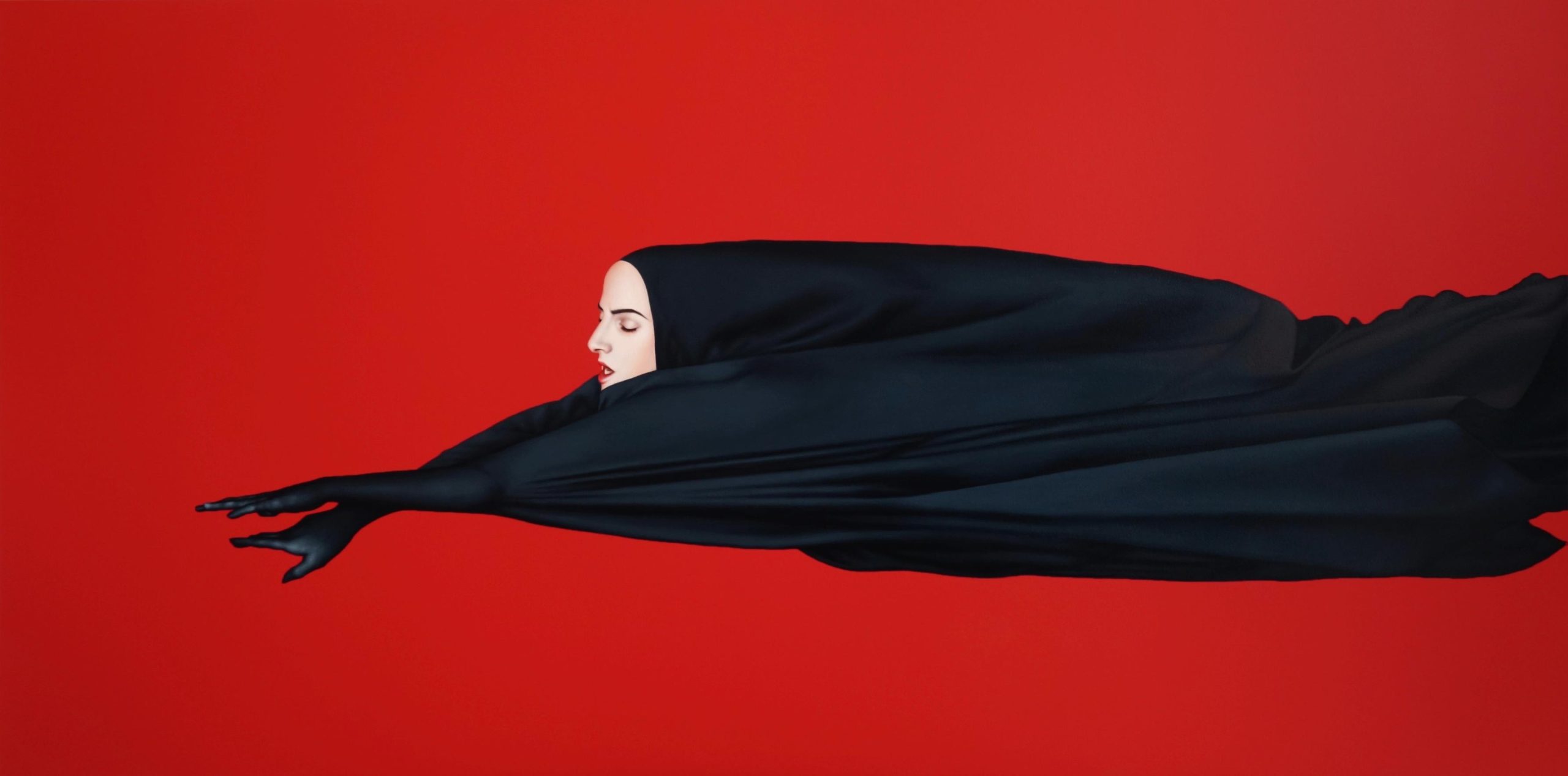
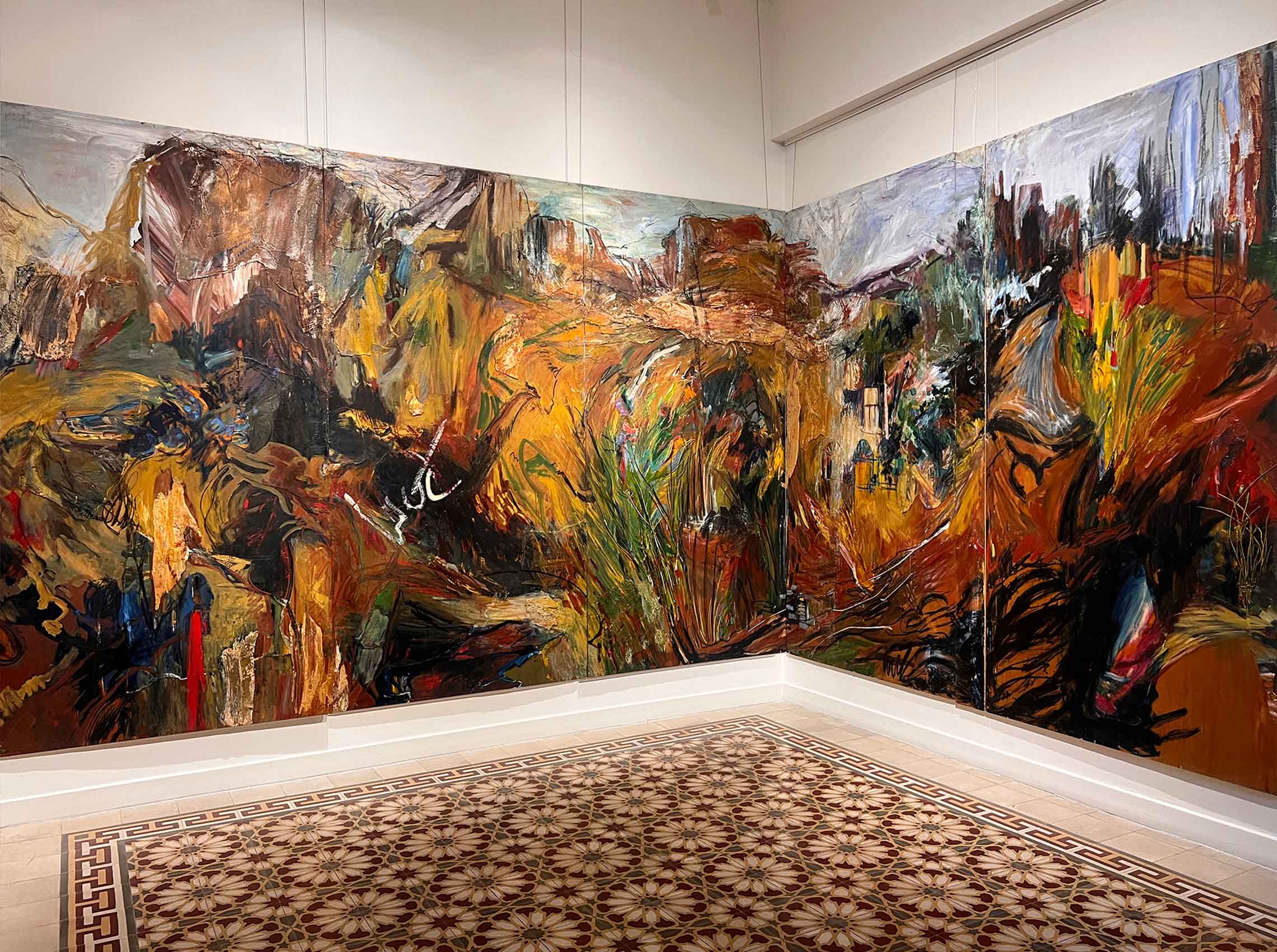
Art on 56th Gallery’s group exhibition Nevertheless enters its final days. The collective exhibition brings together eleven Lebanese artists whose practices continue to evolve amid uncertainty and transformation. Featuring works by Haibat Balaa Bawab, Georges Bassil, Wissam Beydoun, Zouhair Dabbagh, Mansour El Habre, Layla Dagher, Imad Fakhry, Ghada Jamal, Dyala Khodary, Rafik Majzoub and Edgard Mazigi, the exhibition unfolds through painting, collage, drawing, assemblage and mixed media. Rather than responding directly to current events, the works reflect on persistence, memory and the quiet act of continuing despite instability. Diverse artistic languages converge around shared questions of resilience, presence and renewal, where every gesture and material choice becomes an affirmation of creative practice. A highlight is Ghada Jamal’s monumental mural from her Point, Line, Horizon series, which reflects on the enduring legacy of the Lebanese Civil War through layered compositions that continue to resonate with contemporary conversations around memory, identity and recovery.
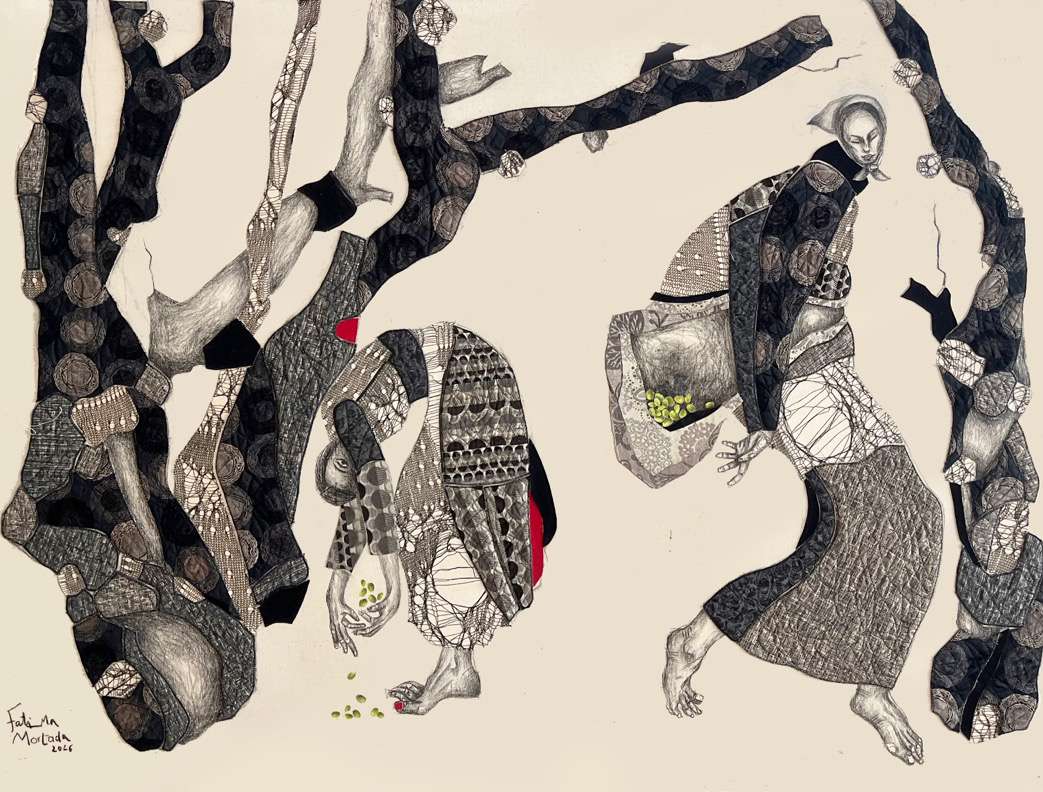
LT Gallery presents Ancestors of the Future (18 June – 2 July 2026), a new solo exhibition by Lebanese artist Fatima Mortada that meditates on the fluid relationship between past, present and future. Rather than offering definitive narratives, the works pose questions about identity and inherited histories, positioning time as an unfinished composition continually shaped by each generation. Mortada’s multidisciplinary practice spans drawing, painting, filmmaking, sewing and printmaking, reflecting an approach that embraces experimentation across materials and techniques. Educated in Beirut and at Winchester School of Arts in the UK, her work frequently examines identity, conflict and contemporary Middle Eastern experience through layered visual languages. In this latest body of work, she invites viewers to reflect on their place within an ongoing continuum, where memory and possibility intersect in the present moment.
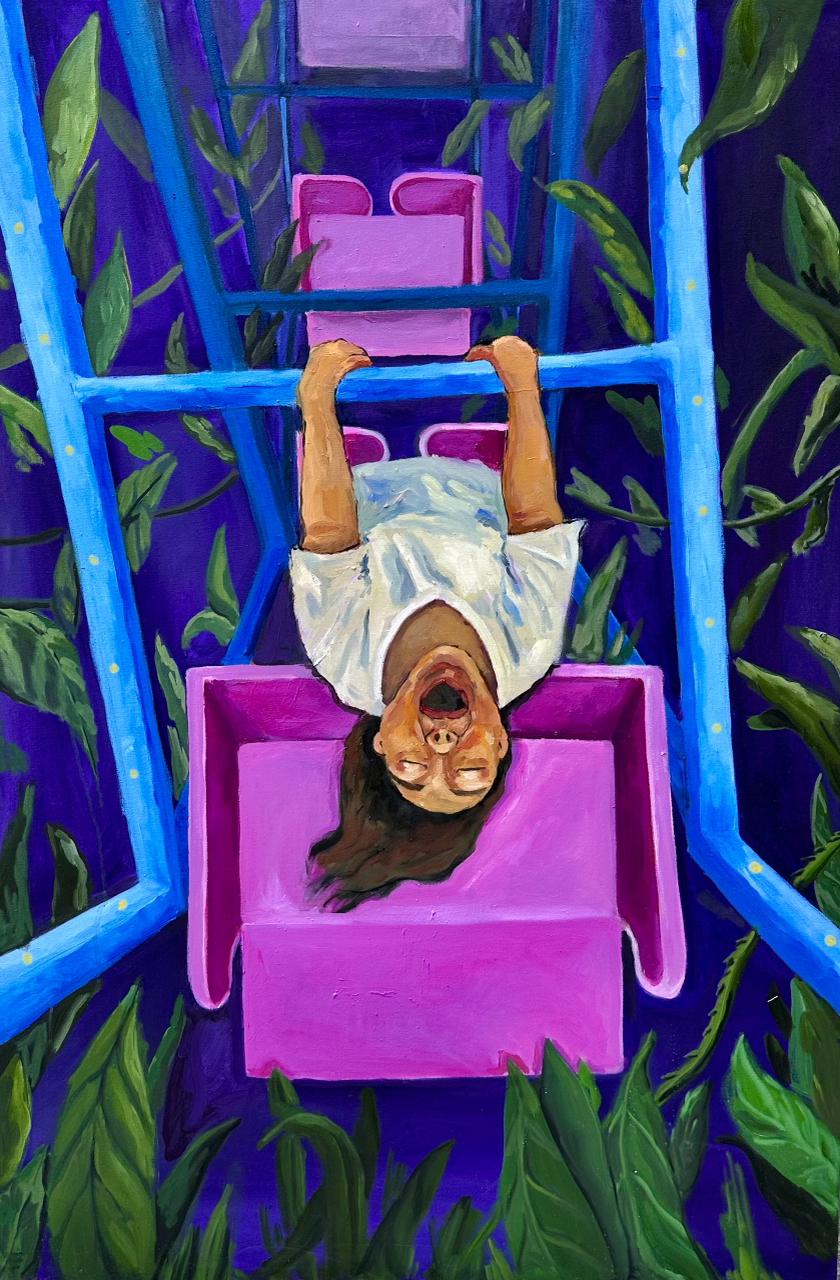
Kalim Bechara Art Gallery presents Adrenaline (24 June – 11 July 2026), a solo exhibition by Syrian artist Lea Sunaij, curated by Nour Salman as part of Beirut Art Days. Through vibrant, emotionally charged paintings, Sunaij explores the landscapes of memory, belonging and emotional tension, navigating the fragile spaces between comfort and uncertainty, longing and fear. Her expressive compositions examine how places continue to shape personal identity long after they have been left behind. The opening programme also includes a panel discussion bringing together the artist, curator Nour Salman and gallerist Kalim Bechara, moderated by Randa Sadaka, offering insight into the exhibition’s themes, creative process and emotional undercurrents.
QATAR
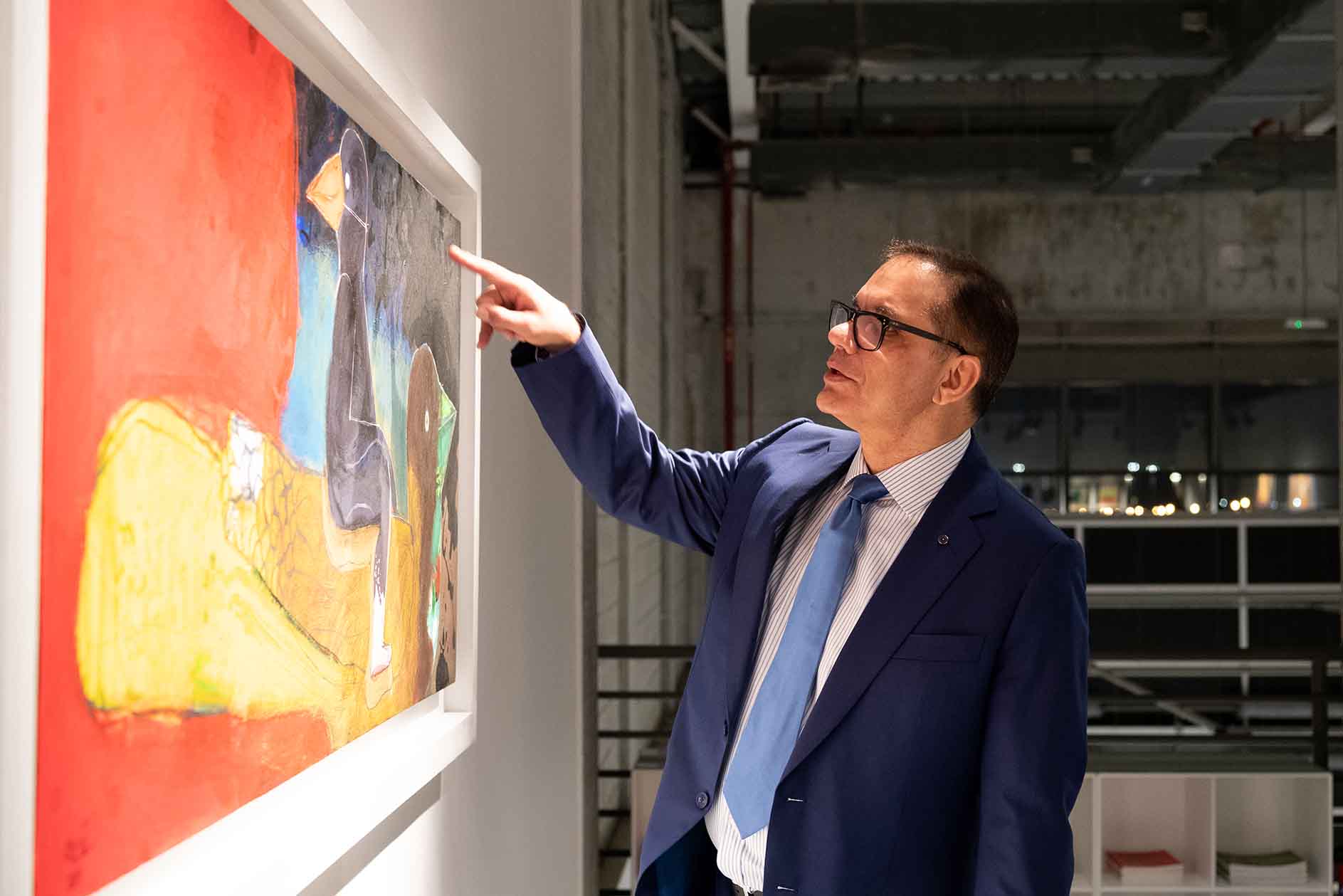
Dalloul Artist Collective (DAC) brings together Lebanese painter Fawzi Baalbaki and Qatari artist Salman Al Malek in Lines of Belonging (16 June – 16 August 2026), a collaborative exhibition organised with al markhiya gallery. The exhibition reflects DAC’s ongoing commitment to fostering cultural exchange across the region through partnerships that connect artists, institutions and audiences. Although shaped by different cultural contexts, Baalbaki and Al Malek share a belief in painting as a vehicle for emotional memory and lived experience. Baalbaki’s expressive figures and simplified forms balance abstraction with intimacy, while Al Malek explores cultural identity through compositions that negotiate tradition and contemporary life. Together, their works consider painting as a space where memory, place and human experience remain deeply interconnected, creating a dialogue that bridges generations, geographies and artistic perspectives.
THE WORLD
Coinciding with the London Festival of Architecture, P21 Gallery hosts Belonging(s) Beyond Borders (26 & 27 June 2026), a two-day exhibition organised by The Palestine Collective that explores cultural identity through architecture, art and collective memory. Bringing together practitioners from Palestine, Sudan, Yemen and across the wider diaspora, the exhibition features architectural drawings, films, physical models, installations and archival materials that reimagine places, traditions and everyday rituals disrupted by displacement. Contributors include Farah Maktari, Rayan and Tasneem Elnayal, Youssef Aly, Malak Elguel, Amira Dabboussi, Nour Al Ahmad, Lobna Sana, Shehab Kawasmi and Zain Al-Sharaf Wahbeh. Alongside the exhibition, visitors can attend talks on architecture and belonging, as well as workshops in Palestinian tatreez and Arabic calligraphy, extending conversations around heritage, identity and community beyond the gallery space.