UNITED ARAB EMIRATES
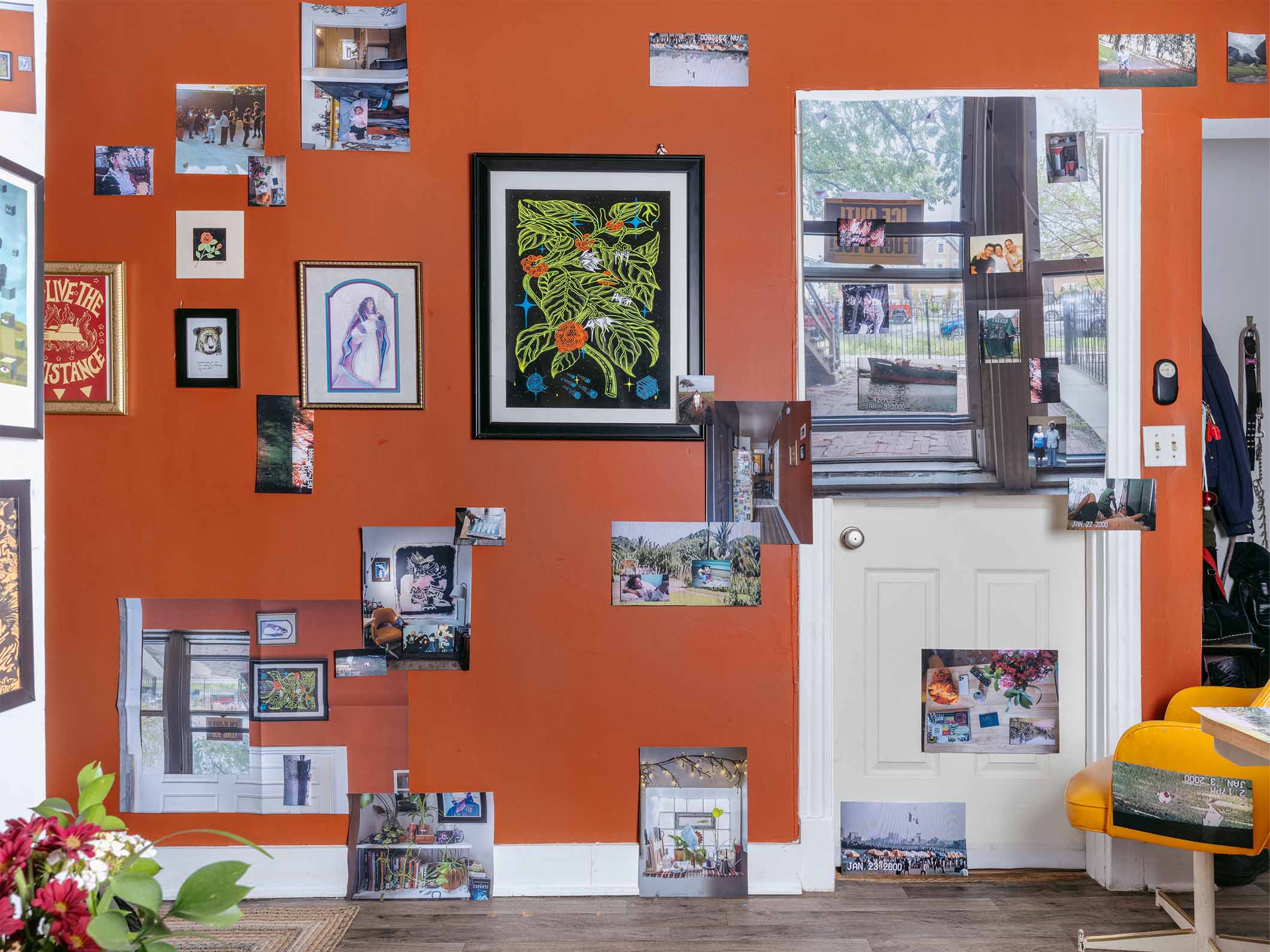
Sharjah Art Foundation has announced its summer and autumn 2026 programme, bringing together exhibitions, photography, performance, film and publishing initiatives across its cultural spaces. A highlight of the season is Vantage Point 13, (8 August – 29 November 2026) at the Foundation’s Photography Gallery, where the long-running platform enters a new chapter. Selected through an international open call, artists Adam Rouhana, Guanyu Xu, Latifa AlBokhari, Luisa Dörr, Maheder Haileselassie and Sathish Kumar present newly commissioned photographic series developed with the Foundation’s support. The wider programme also includes Body Quotidian, alongside the return of Perform Sharjah, Sharjah Film Platform and Focal Point later this autumn.
August marks the last month to experience Harat Al Hosn: A Landscape of Memory at Al Ain Museum, the inaugural temporary exhibition following the institution’s reopening. Revisiting one of Al Ain’s oldest neighbourhoods, the exhibition traces the social and urban history of Harat Al Hosn through archaeological discoveries, oral histories and immersive installations. Hand-moulded mud bricks still bearing the fingerprints of their makers, alongside pottery, coins and domestic objects, reveal the rhythms of everyday life and the enduring relationship between people and place. Together, these materials offer a nuanced portrait of Al Ain’s cultural heritage while reflecting on memory as a living, collective experience.

LEBANON
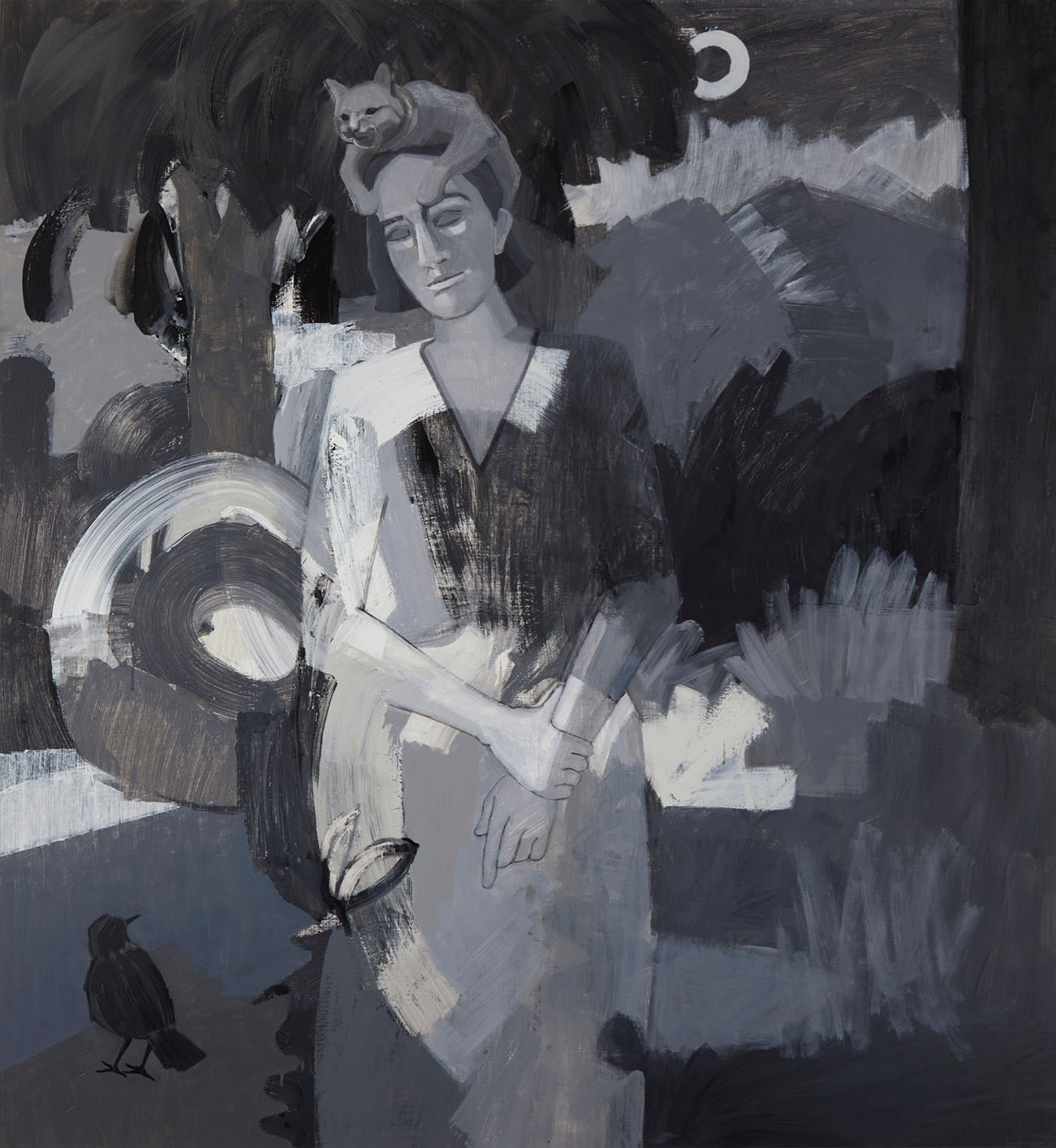
Art on 56th Gallery opens its annual summer exhibition, Shared Ground (6 August – 26 September 2026), bringing together thirteen contemporary artists whose practices reflect on memory, identity, landscape and belonging. The exhibition proposes commonality not as consensus but as a space for dialogue, where distinct artistic voices intersect through painting, drawing, sculpture and mixed-media works. Featuring artists including Haibat Balaa Bawab, Georges Bassil, Wissam Beydoun, Tarek Butayhi, Zouhair Dabbagh, Layla Dagher, Imad Fakhry, Mansour El Habre, Issa Halloum, Ghada Jamal, Dyala Khodary, Edgard Mazigi and Mouneer Al Shaarani, the presentation considers resilience through acts of making, inviting viewers to reflect on the shared experiences that continue to shape contemporary life.
THE WORLD
At Storm King Arts Center, New York, Saif Azzuz presents weych-pues / tàkhòne – where the rivers meet (until 9 November 2026), a monumental sculpture that reflects on Indigenous knowledge, ecology and shared histories across landscapes. Shaped as a giant sturgeon, the work combines steel, aluminium, salvaged car parts from New York’s Hudson Valley and natural materials gathered in California’s San Francisco Bay Area. Inspired by the fish’s presence in both the Hudson and Klamath rivers, Azzuz draws connections between the ancestral lands of the Lenape and Yurok peoples. Etched with Indigenous motifs, native plants and collaborative inscriptions, the sculpture foregrounds the enduring relationship between land, memory and community, while reflecting on environmental resilience and the persistence of Indigenous cultural traditions.

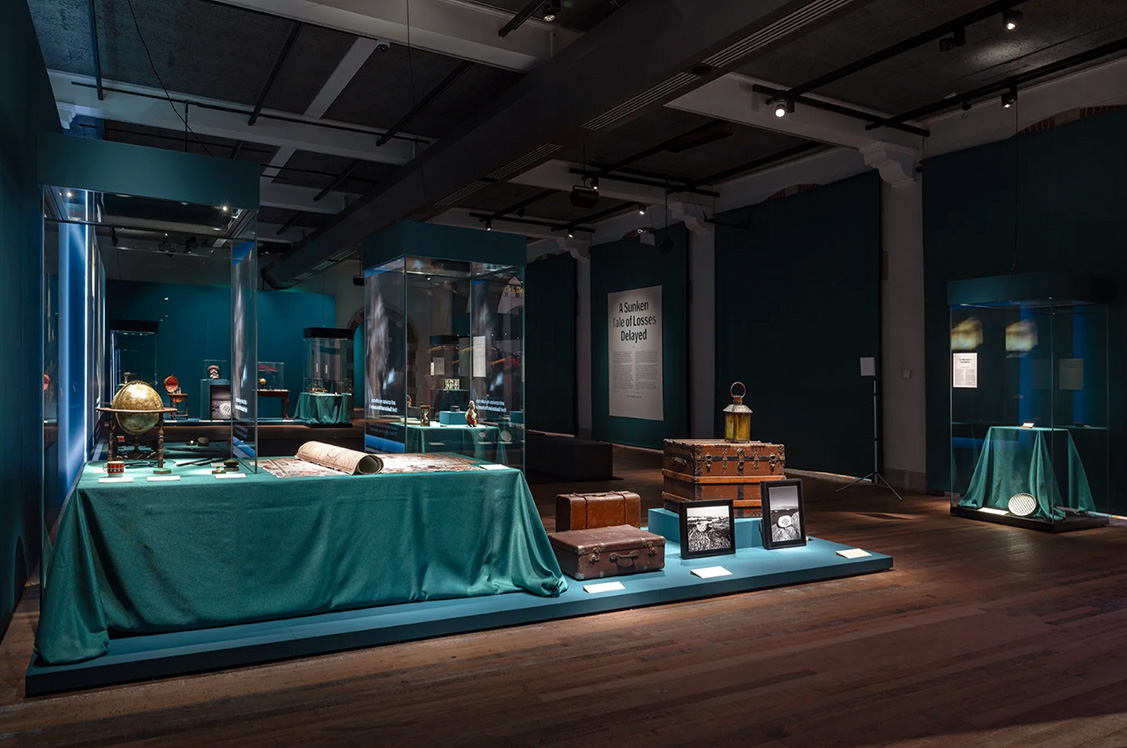
Larissa Sansour’s Rogue Agents of History (until 27 September 2026), at Wereldmuseum Amsterdam, marks the artist’s first major museum exhibition in the Netherlands. Curated by Nat Muller, it brings together film, sculpture, photography and historical objects while premiering A Sunken Tale of Losses Delayed (2026), created with writer and filmmaker Søren Lind. Moving between Ottoman histories, contemporary geopolitics and speculative futures, the exhibition considers fiction as a means of unsettling official narratives and recovering overlooked histories. Across its works, Sansour reflects on identity, memory and belonging, proposing imagination as a form of historical inquiry rather than escape. The exhibition ultimately suggests that the past is neither fixed nor complete, but continually reshaped through acts of remembrance, storytelling and cultural reclamation.